Gaming
BGMS 4 drops with Rs 1.5 crore loot, fresh faces and fierce inclusivity

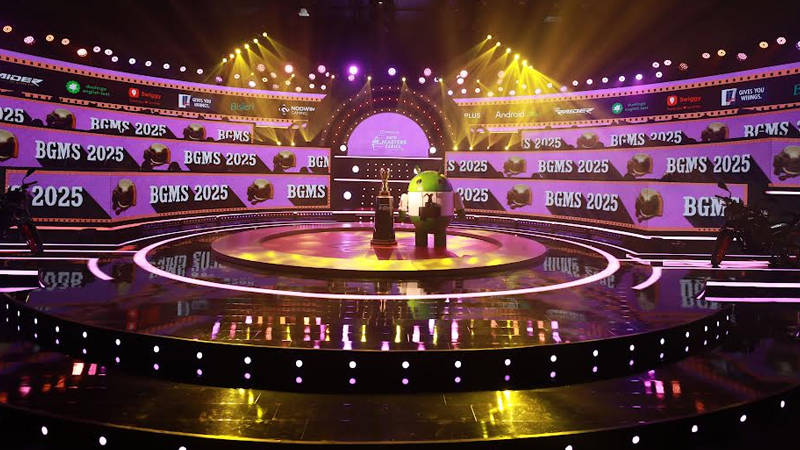
MUMBAI: Drop in, loot up, and get ready for the chaos. BGMS is back, and it’s bigger than ever. Nodwin Gaming has unleashed Season 4 of the Oneplus Android Battlegrounds Mobile India Masters Series, airing live on Star Sports Khel and JioHotstar daily from 5:00 PM to 8:00 PM until 14 September, with a staggering Rs 1.5 crore prize pool on the line.
But it’s not just about the loot this time. The tournament has levelled up with the launch of the Battlegrounds Mobile India Challenger Series (BGCS), the official amateur feeder league into the BGMS. Featuring 24 squads including 2 campus champs from the Oneplus Campus Dominate qualifiers, 1 team from TVS Raider Wicked Battles, 17 invited rosters, and a historic 4 all-women line-ups the Challenger Series is bringing fresh blood and fearless energy to Indian esports. Matches stream live on Nodwin’s Youtube channel from 12:00 pm to 3:00 pm every day.
“BGMS has become more than a tournament; it’s a cultural movement,” said Nodwin Gaming co-founder and MD Akshat Rathee. “Season 4 champions inclusivity at every level, from campus qualifiers to all-women teams on national television.”

Title sponsor Oneplus is back for another round, powering gameplay with its flagship Oneplus 13 and Nord series. Android continues as co-title sponsor, while TVS Motor Company rides in as official mobility partner for a third year running with its TVS Raider Wicked Battles initiative.
New faces join the fray too Duolingo English Test debuts as official learning partner, rolling out even a Gujarati-language feed, while Swiggy steps in as official food delivery partner, keeping players and crews fed through marathon matchdays. Red Bull fuels players for a second year, while Bisleri makes its debut as Hydration Partner.
The BGCS runs till 7 September, setting the stage for BGMS Season 4’s finale stretch. With esports on primetime TV and national brands stacking up behind the action, BGMS isn’t just gaming anymore, it’s India’s newest sporting spectacle.




Gaming
Nodwin Gaming partners with Runestone for esports data and integrity solutions
South Asian esports leader joins forces with Czech tech firm to enhance tournament operations.
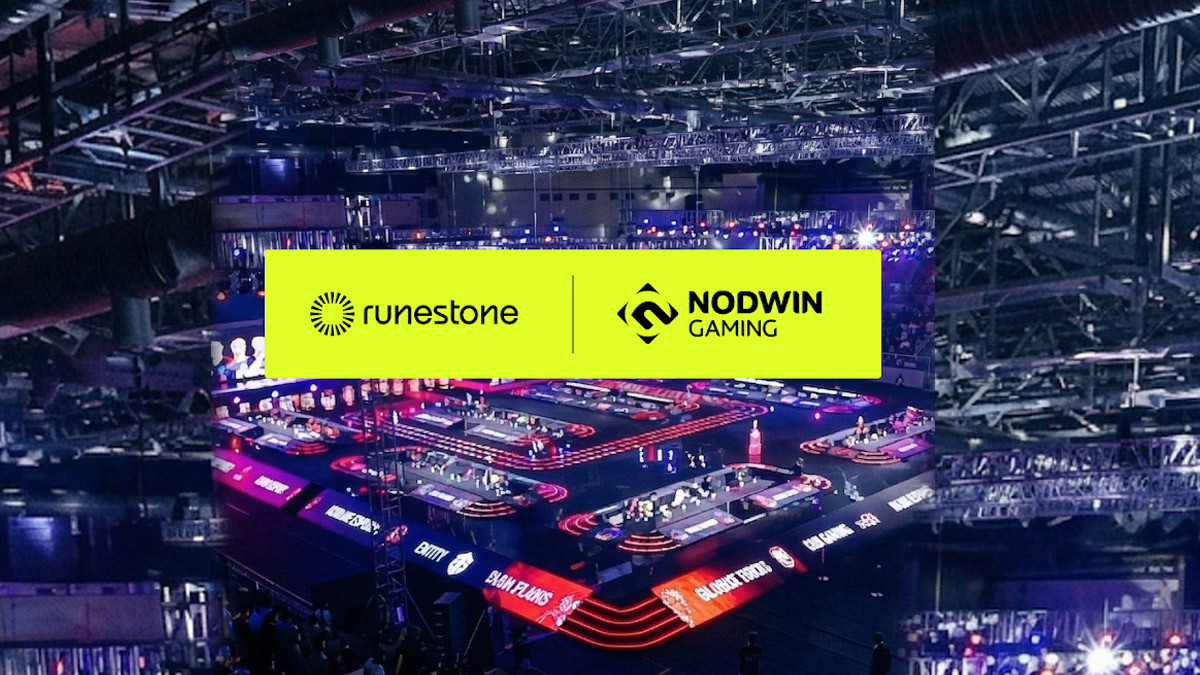
MUMBAI: Nodwin Gaming has just levelled up its game by bringing in a specialist to keep the scoreboard honest and the fans fully engaged. The leading South Asian esports and gaming company has announced a strategic partnership with Runestone, a Prague-headquartered esports technology firm specialising in real-time data and engagement solutions for tournament organisers and publishers.
The collaboration aims to strengthen competitive integrity, improve operational oversight, and deliver more interactive viewing experiences across Nodwin’s properties. It will initially focus on the Nodwin Clutch Series for Counter-Strike 2, a Tier 2 tournament that provides emerging teams with consistent competitive opportunities and helps build the talent pipeline.
The latest edition of the series recently concluded with Big defeating ECSTATIC 2–1 in the grand final of the $50,000 online event.
Nodwin Gaming chief business officer at MENA and global head of data monetization Teemu Koski said, “Integrity and transparency are fundamental to sustainable esports ecosystems, especially in Tier 2 competition where the next generation of talent emerges. Runestone’s expertise complements our experience in building scalable esports IPs.”
Runestone head of partnerships Michael Schwartz added, “Nodwin Gaming has built one of the most dynamic esports ecosystems across emerging markets. We’re thrilled to collaborate on supporting tournaments with greater transparency, deeper fan interaction, and scalable tools.”
Both companies are exploring opportunities to extend the partnership across additional titles, including mobile-first competitive ecosystems, and to develop new products for publishers, tournament operators, and event promoters.
In the rapidly growing world of esports, where fair play and fan excitement are equally crucial, Nodwin Gaming and Runestone are teaming up to ensure every match is not only competitive but also transparent and engaging. This alliance could well become a game-changer for Tier 2 tournaments across South Asia and beyond.







