iWorld
Advertisers shifting focus to OTT for brand safe environmentAdvertisers shifting focus to OTT for brand safe environment

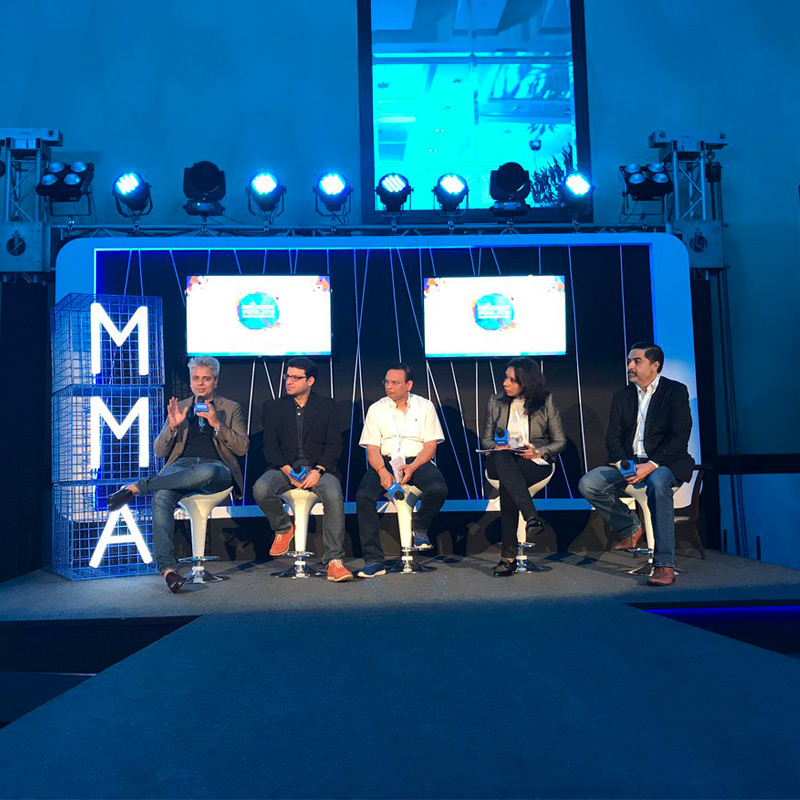
MUMBAI: Over-the-top (OTT) platforms in India have reached a tipping point with growth in internet users. The change in viewing habit is also altering the way brands want to communicate with consumers. Despite the shift towards OTT platforms, social media giant YouTube remains the dominant player in digital advertising space. Experts from the ecosystem discussed how these players can attract more money focusing on some shortcomings in a session ‘Video 2.0- Time to Pay?’.
The event was organised by Mobile Marketing Associations India. Hotstar EVP & chief marketing officer Sidharth Shakdher, Sony Pictures Networks India digital business head Uday Sodhi, Isobar South Asia, India group MD Shamsuddin Jasani, Patanjali Ayurved Ltd CGM, and marketing head Avinash Kumar took part in the session that was moderated by Neena Dasgupta, CEO and director Zirca Digital Solutions.
Dasgupta started the session asking what have been the major shifts in recent time. Jasani mentioned two new trends- one is the high focus on collecting data in the right manner, especially after the rollout of GDPR and the second is the surged demand for a brand safe environment. Brands(http://www.indiantelevision.com/iworld/social-media/facebook-watch-has-its-work-cut-out-in-video-content-creation-180912), as well as agencies, now want their advertisements to appear in the proper content. He cited examples of content owners and creators like SonyLIV and Hotstar which are extremely brand safe.
The moderator raised a question as to why 70 per cent of revenue still goes to YouTube(http://www.indiantelevision.com/iworld/over-the-top-services/local-ott-players-not-distressed-by-youtubes-originals-plan-180918), the walled garden, while OTT platforms have a good hold over content. Hotstar’s Shakdher said a large number of brands now want to place their ad where content is safe. “Just reach for the sake of reach does not mean anything,” he commented. He also cited the example of Patanjali.
Avinash Kumar, the exec from the largest domestic FMCG brand also acknowledged the importance of the safe environment. For a brand like Patanjali which reflects “high world value” being deep rooted in Indian culture, putting its ads in the proper place is very important. According to him, a clear shift is visible. Though it started with YouTube, realising the lack of curated content and facility to interact in a safe environment, it moved out. It now only interacts through OTT platforms and considerably works with both Hotstar and SonyLIV whose representatives were present on the stage.
Kumar, on the other hand, pointed out YouTube’s advantages along with the difficulties of OTT platforms on which they can work. Google’s video streaming service is not only free but also leaves the highest choice for content. He said OTT platforms need to have more content options as well as democratise the payment for content in a way that Jio has achieved in data consumption.
“There is need of OTT platform, as well as YouTube. It is not an us versus them. So for example when we are doing something for a brand, we have in the mix both as there are different KPIs for different segments,” Jasani said.
Moreover, Dasgupta added a counterpoint to the fact that Indians don’t want to pay for content. OTT platforms garner 20-22 per cent of the revenue from subscription, which is expected to reach 40 per cent in the next five years.

Jasani at the start of the session only highlighted that the underlying strength of digital has always been data. While OTT platforms have a huge amount of data as well, the question is if consumers are ready to pay for that data.
Uday Sodhi said the first steps are definitely being taken already. The movement of money from all other mediums is shifting towards OTT platforms which indicates these platforms definitely carry some value. According to him, these added values help to OTT players get higher rates for ads than others. “Now we are able to sell the inventories on most popular events or shows through which a brand can easily target its defined TG, which for me is the subtle way of targeting, and they are ready to pay for it,” he added. He also mentioned for events like FIFA, IPL, KBC, brands don’t mind to buy premium inventory.
However, the events merely don’t attract brands. The affordability, right moment, target audience also play a key role. “We should make every ad dollar count. When you are buying a sporting event, you are buying demographic of the event. You don’t buy cricket for sake of cricket. You know demographic composition, product proposition. It’s never a black and white decision,” Shakdher commented.
Interestingly, before Patanjali buys inventory on OTT, it first goes to the traditional TV to compare rates. If it sees an OTT platform ranking at the top, then it goes ahead. Getting a brief from the OTT platform it goes back to TV to compare the affordability it is getting on the digital platform.
However while OTT platforms provide better facilities than TV, Patanjali’s Kumar thinks in terms of getting consumer data back the two mediums don’t have much difference.
“Let’s say I am buying a spot at whatever price, what I am getting out of spending on it is as simple as TV data. You have an image and video fingerprint, you have lots of AI which can put actually the kind of geography and customers I am trying to reach. Do I get that data back from Hotstar or SonyLIV? In fact, we are operating in the same environment as TV. You give us few cookies we cannot decipher,” he pointed out stating the “biggest challenge” for OTT players. In addition to that, there is no accurate data available for digital like TV ratings or BARC data.
The session ended on a note that it is not about competition between TV and OTT, it is more about whether brands are willing to invest and support in data. Such willingness from brands can enable freemium or AVoD OTT platforms to create better content and engagement, ultimately leading to higher engagement for brands.






iWorld
OpenAI hits back at Elon Musk’s lawsuit ahead of trial
Company calls claims “baseless” and accuses Musk of trying to disrupt a rival.
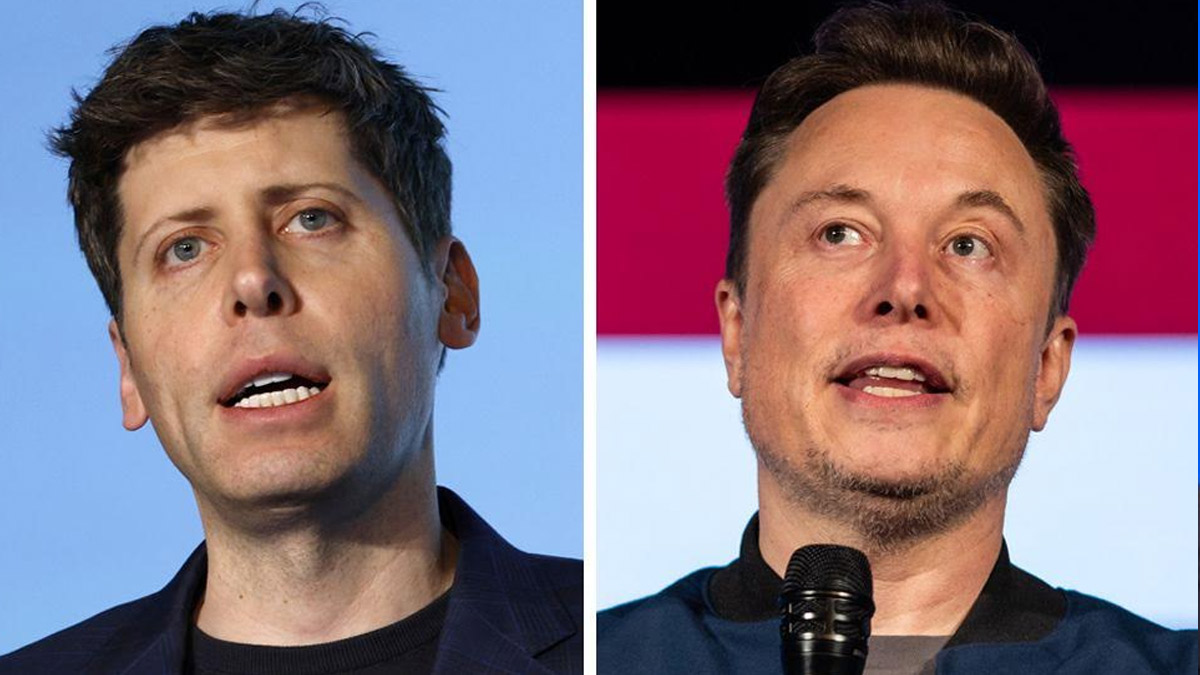
MUMBAI: When the stakes are measured in billions and egos are involved, even Silicon Valley titans can turn a courtroom into a battlefield. OpenAI has issued a sharp public response to Elon Musk’s ongoing lawsuit, accusing the billionaire of filing the case to harass a competitor rather than address genuine concerns. In a strongly worded statement shared on its official X account, OpenAI described Musk’s allegations as “baseless” and suggested the lawsuit is an attempt to disrupt the company as the case heads toward trial later this month in Oakland, California.
The response comes after Musk’s legal team recently amended the complaint, proposing that any damages potentially exceeding $150 billion should go to OpenAI’s nonprofit entity rather than to Musk personally. OpenAI questioned the timing and motive behind this change, calling it a late-stage attempt to “pretend to change his tune” on the nonprofit structure.
The company further labelled the lawsuit a “harassment campaign”, arguing that Musk’s actions are driven by personal rivalry, ego, and a desire for greater control and financial upside.
At the heart of the dispute is Musk’s claim that OpenAI has abandoned its original nonprofit mission of developing artificial intelligence for the benefit of humanity. A co-founder who left in 2018, Musk is seeking governance changes, including the removal of CEO Sam Altman from the nonprofit board, and the return of certain financial gains linked to Altman and President Greg Brockman.
OpenAI has firmly rejected these allegations, maintaining that its current hybrid structure, a public-benefit corporation overseen by a nonprofit parent remains true to its long-term goals. The company has also previously accused Musk of anti-competitive behaviour aimed at weakening its leadership.
As the case prepares for a jury trial, this public exchange highlights the deepening rift between two of the most influential figures in the AI revolution and raises broader questions about governance, mission, and power in the fast-moving world of artificial intelligence.
In the high-stakes game of AI, it seems the real drama isn’t just inside the models, it’s playing out in courtrooms too.






