Cable TV
100 Kolkata LCOs group to set up a new headend

KOLKATA: One would imagine that cable operators would be a happy lot, considering the country is on the threshold of the last two phases of digitisation. However, the truth is LMOs (last mile operators) or LCOs are unhappy with the Telecom Regulatory Authority of India (TRAI) ruling on consumer application forms (CAF) and billing, which according to them, makes multi system operators (MSOs) the owners of consumers.
Earlier this week, indiantelevison.com reported how a group of LCOs and independent MCOs met the Parliamentary Committee on Information and Technology in New Delhi to put forth their views on the subject.
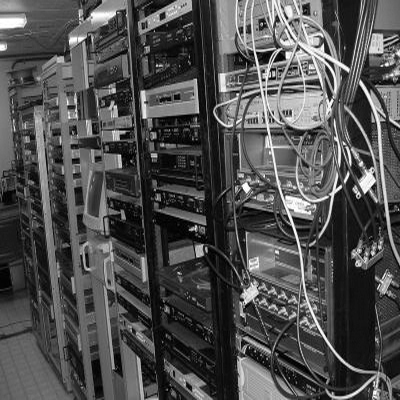
The latest, sources reveal, is that around 100 Kolkata-based LCOs – some affiliated with Siticable, others with Manthan – have come together and invested between Rs 2 and Rs 3 crore toward setting up a headend and accompanying infrastructure at Salt Lake College More in the city.
This group is believed to be in the process of setting up a cooperative venture and is eager to start its own services. With the LCOs’ rising concern over MSOs becoming the owners of their hard-won subscribers, the development does not come as a surprise to the industry.
However, “MSOs are creating hurdles for these LCOs,” sources added, without divulging any details.
Swapan Chowdhury, convener of the Kolkata Cable Operators Digitalisation Committee of the Association of Cable Operators confirmed that this new cooperative had indeed been formed and that the LCOs might name the service Bengal Brand. “It is a difficult time for LCOs in Kolkata as the MSOs are not allowing them to go ahead with their plans,” he said.
Rajiv Sharma, lead analyst (telecom and media), HSBC Securities, opined: “The local cable operators are also thinking of becoming MSOs by coming together… Not good news for the stock prices of existing MSOs which have raised funds from the public even if LCOs fail eventually.”
Namit Dave, cable TV analyst, stated that bunching together was probably a good option for smaller operators. “A 200 channel headend costs nearly Rs 1 crore; a smaller operator with subscribers running into a few thousands would not find the investment profitable in a small town. However, if operators were to get together, it could end up being a profitable venture,” he pointed out.
Kolkata-based Manthan Broadband Services director Sudip Ghosh sees more cable ops coming together in east India. Says he: “Players with a subscriber base of more than 500,000 may not consolidate headends. But Kolkata can see the consolidation of players with others having a subscriber base of around 300,000-400,000.






