Connect with us

Hollywood

Disney to cut 1,000 jobs in major restructuring drive

Layoffs span ESPN, studios and tech as company pivots to growth

Published

on

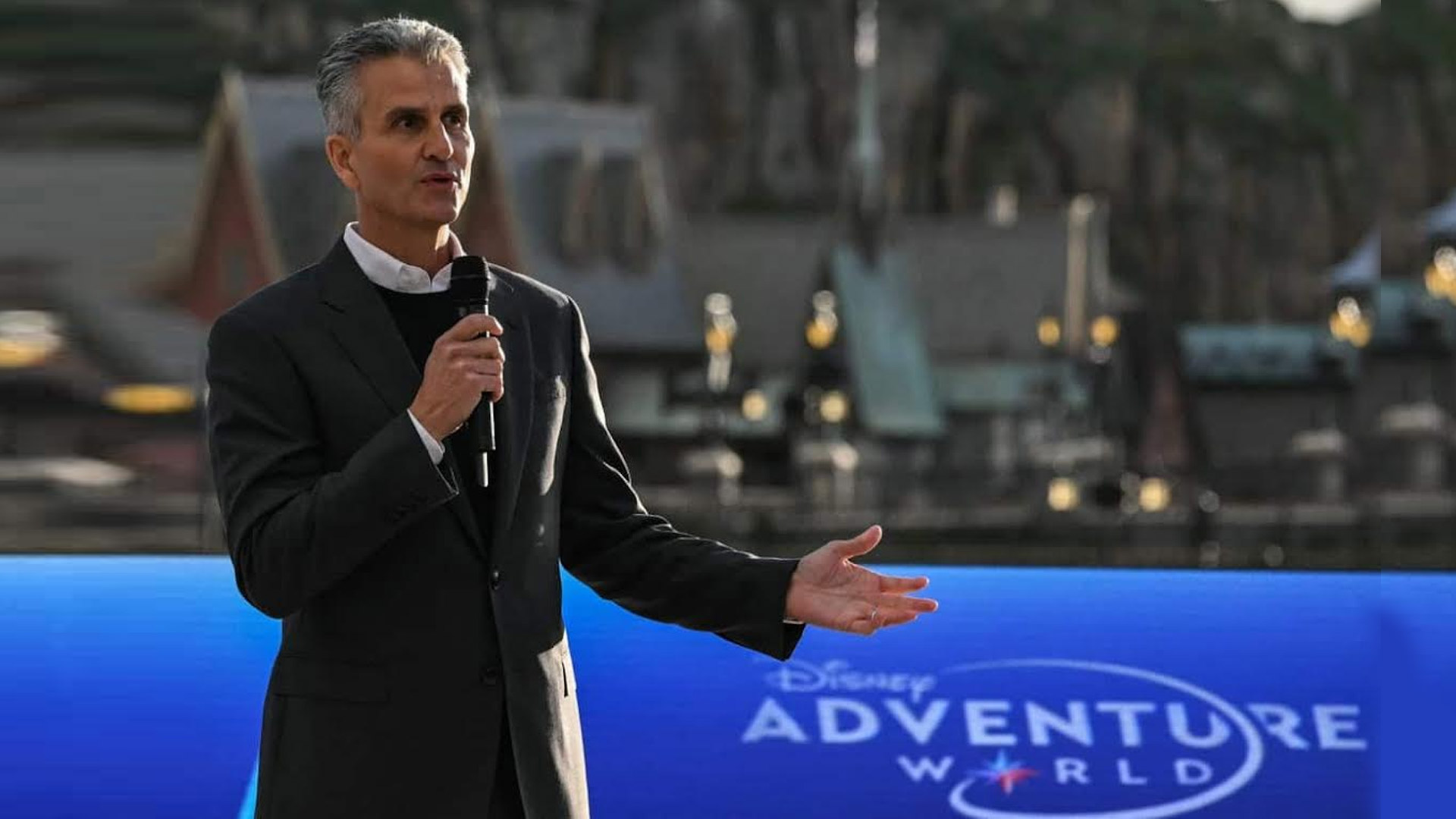
MUMBAI: The magic isn’t disappearing but it is being reorganised. The Walt Disney Company has announced plans to cut around 1,000 jobs as part of a sweeping restructuring effort aimed at sharpening its edge in an increasingly unpredictable entertainment landscape. The move, led by CEO Josh D’Amaro, reflects a broader internal reset as the company rethinks how it operates, allocates resources and competes in a fast-evolving industry. In a memo to employees, D’Amaro acknowledged the difficulty of the decision but framed it as a necessary step to ensure Disney remains “efficient, innovative, and responsive” to rapid shifts in consumer behaviour and technology.

The layoffs will span multiple divisions, including marketing, film and television studios, ESPN, technology teams and corporate functions. Notifications have already begun, signalling that the restructuring is not a distant plan but an active transition underway.

Importantly, the company has clarified that the cuts are not performance-driven. Instead, they form part of a wider transformation strategy aimed at building a leaner, more agile organisation, one better equipped to respond to streaming dynamics, digital disruption and evolving audience expectations.

Advertisement

The timing is telling. The global entertainment industry is in the middle of a structural shift, with traditional television revenues under pressure and box office returns becoming increasingly volatile. Meanwhile, streaming platforms and digital-first competitors continue to redraw the rules of engagement, forcing legacy players to rethink scale, speed and storytelling formats.

For Disney, long synonymous with blockbuster franchises and timeless storytelling, the pivot is both strategic and symbolic. The company is doubling down on technology, direct-to-consumer services and content ecosystems that align with modern viewing habits, where audiences expect immediacy, personalisation and cross-platform experiences.

Even as the restructuring unfolds, D’Amaro struck a note of optimism, reiterating Disney’s commitment to creativity and long-term growth. Support measures for affected employees are expected as part of the transition, though details remain limited.

Advertisement

In essence, this is less about cutting back and more about reshaping forward. As Disney redraws its organisational map, the message is clear, in today’s entertainment world, even the most magical kingdoms must evolve or risk being left behind.


Click to comment

Leave a Reply

Your email address will not be published. Required fields are marked *

Hollywood

US theatre group opposes Paramount, Warner Bros. merger, calls it ‘harmful’

Exhibitors warn mega deal could shrink film output and weaken cinema ecosystem

Published

on

LAS VEGAS: Cinema United has come out strongly against the proposed merger between Paramount Skydance and Warner Bros. Discovery, warning it could concentrate too much power in the hands of a single player and disrupt the global film ecosystem.

Speaking at CinemaCon in Las Vegas, the group’s chief executive Michael O’Leary did not mince words as he addressed thousands of theatre owners. The deal, reportedly valued at $110 billion, was agreed in March after Netflix exited the bidding process.

“We believe this transaction will be harmful to exhibition, consumers and the entire entertainment ecosystem,” O’Leary said, cautioning that greater consolidation would allow fewer distributors to dictate terms around release windows, scheduling and access to film libraries. Theatre owners argue that such scale could reduce competition and ultimately mean fewer films making it to cinemas.

Advertisement

Pushing back, a spokesperson for Paramount Skydance said the merged entity plans to release 30 films annually in theatres, while continuing to operate both studios separately. The company added that the deal would expand opportunities for creators and strengthen competition by backing more projects globally.

However, exhibitors remain unconvinced. Drawing parallels with The Walt Disney Company’s 2019 acquisition of Fox, O’Leary noted a drop in wide theatrical releases post-merger, reinforcing concerns that consolidation often leads to fewer films.

“Unfortunately, history shows us that consolidation results in fewer films being produced for movie theaters,” O’Leary said.

Advertisement

Beyond output, Cinema United also flagged concerns around theatrical windows, warning that a combined Paramount-Warner entity could exert greater control over how long films remain exclusively in cinemas before shifting to other platforms.

With the debate set to intensify, the clash highlights a familiar tension in Hollywood: scale versus diversity. For theatre owners, the stakes are clear, as they push to ensure that bigger does not mean fewer stories on the big screen.

Advertisement
Continue Reading

Advertisement News18
Advertisement
Advertisement
Advertisement Whtasapp
Advertisement Year Enders

Indian Television Dot Com Pvt Ltd

Signup for news and special offers!

Copyright © 2026 Indian Television Dot Com PVT LTD