
MAM
Zomato’s Mother’s Day film celebrates every creator’s first critic
Campaign celebrates mothers as every creator’s first audience and toughest critic


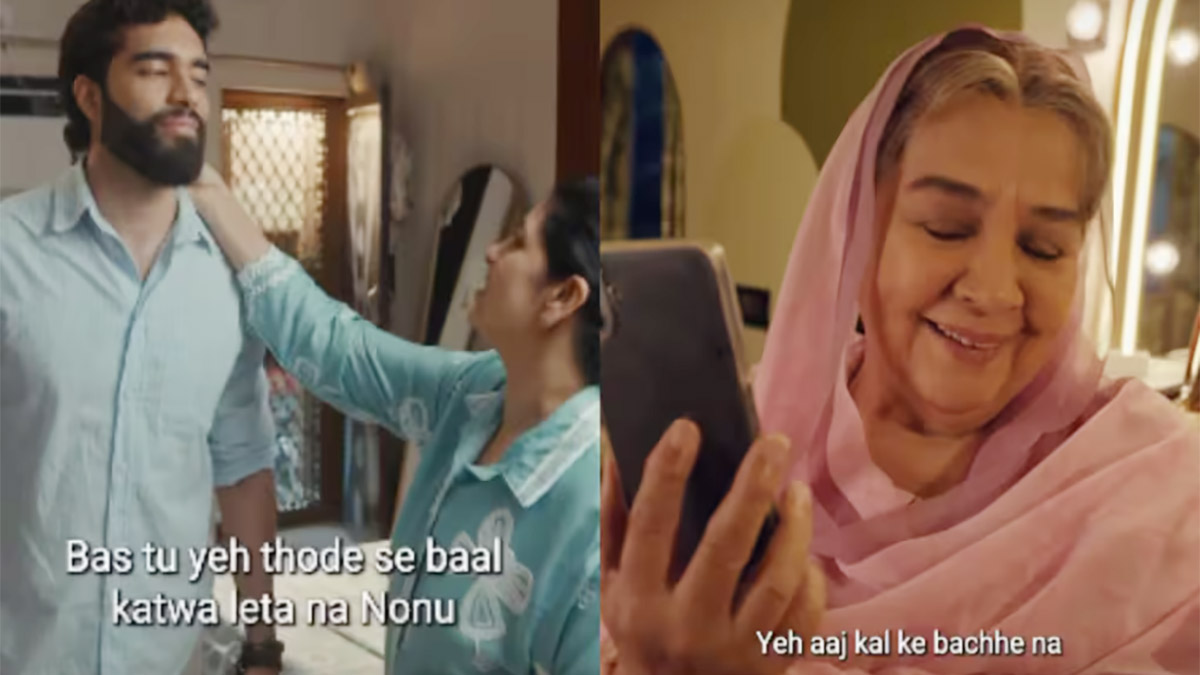
MUMBAI: Zomato has rolled out a new Mother’s Day campaign that swaps polished sentimentality for something far more familiar, the quietly hilarious relationship between creators and the mothers who unknowingly became their first test audience long before social media arrived. The film, conceptualised in-house and released on Zomato’s official Instagram page, follows creators and actors rehearsing hooks, testing punchlines and seeking reactions from the one audience whose approval somehow matters more than the comments section.
Through playful, candid moments, the campaign captures mothers as accidental collaborators, the first viewers, first critics and often the first people forced to sit through multiple retakes before the internet ever got a chance.
Rather than leaning into grand emotional declarations, the film finds its charm in recognisable everyday behaviour: awkward pauses waiting for validation, brutally honest reactions, and mothers reacting with the kind of unfiltered feedback no algorithm can soften.
The campaign also taps into a larger shift in advertising around Mother’s Day. Increasingly, brands are moving away from highly dramatised emotional storytelling and leaning into more observational, culture-led narratives rooted in lived experiences and digital behaviour.
For Zomato, the insight lands neatly in today’s creator economy, where content creators obsess over hooks, engagement and virality but still instinctively turn to their mothers before uploading anything to millions of strangers online.
The film doubles as a subtle reminder that while the internet may decide what trends, mothers often decide whether it was worth posting in the first place.
Founded in 2010, Zomato has steadily evolved from a restaurant discovery platform into one of India’s largest food ordering and delivery ecosystems. But with campaigns like this, the brand appears increasingly interested in owning cultural conversations beyond food especially the kind that audiences instantly recognise because they have lived them themselves.






