Brands
Zomato buckles to boycott trend, apologises & withdraws Hrithik ad
Mumbai: Taking offence seems to be the order of the day. So is calling out ads, movies, and what-have-yous for allegedly hurting religious sentiments. Zomato, the latest victim of the “boycott culture” pervading the country, apologised even as it withdrew its advert starring Bollywood actor Hrithik Roshan amid a controversy surrounding the ad that threatened to blow up.
The alleged ‘crime’ this time around was the use of the word ‘Mahakal’ in the online food aggregator’s advert. After two priests from Ujjain’s Mahakal temple demanded an apology from the brand for “offending Hindu sentiments”, an MP minister too joined the fray on Sunday. State home minister Narottam Mishra directed police to investigate the matter so that action can be initiated against the “guilty.”
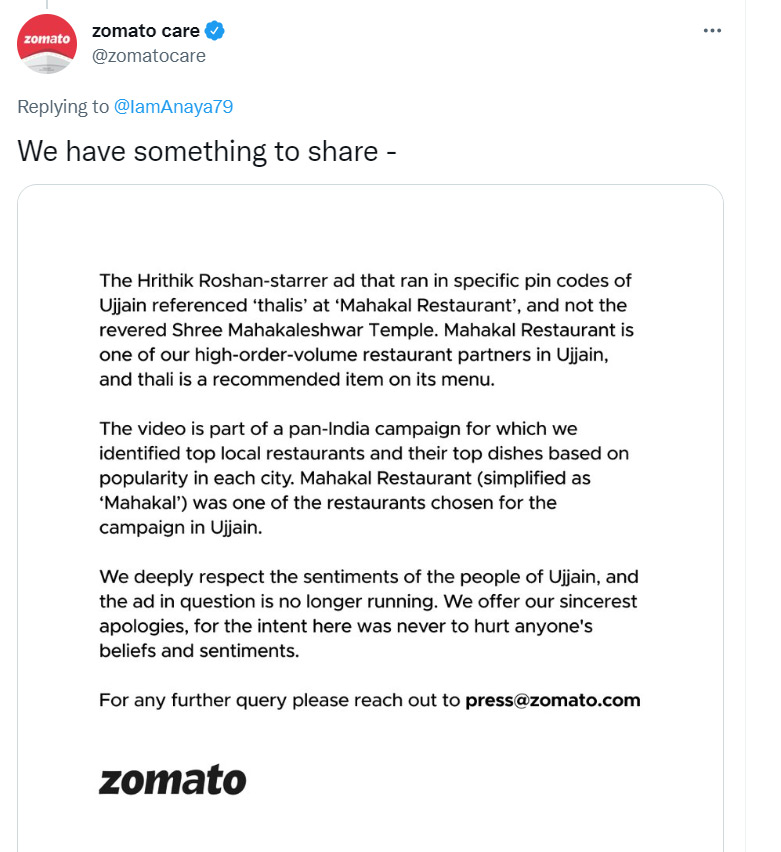
In a bid to quell the matter, Zomato issued a statement on Sunday, clarifying its stand. It wrote: “We deeply respect the sentiments of the people of Ujjain, and the ad in question is no longer running. We offer our sincerest apologies, for the intent here was never to hurt anyone’s beliefs and sentiments.”
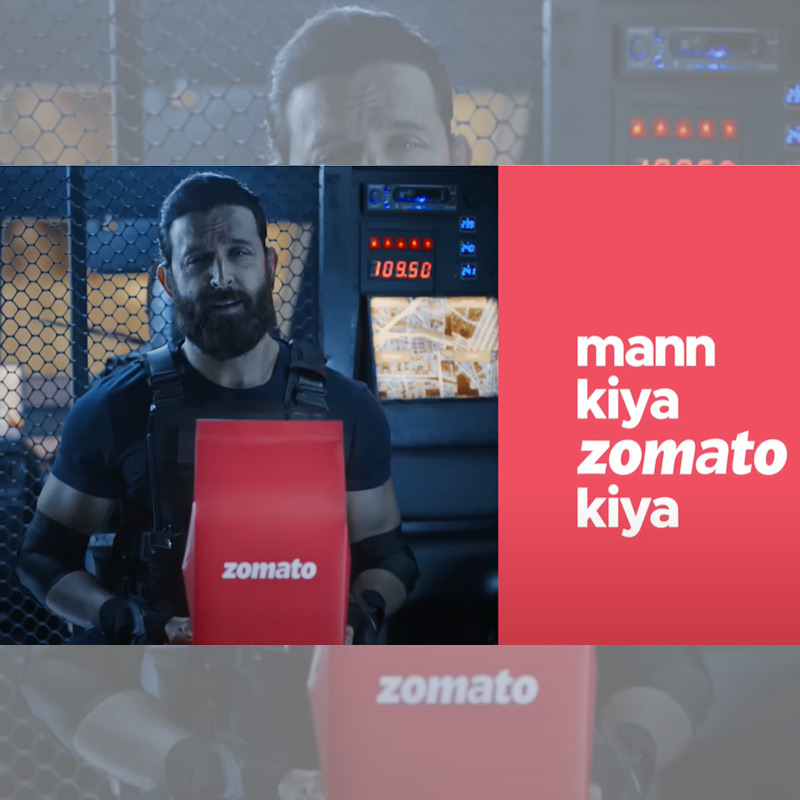
The creative in question that caused the latest controversy has Hrithik mouthing the dialogue, “Thali ka mann kia, Ujjain mein hai, toh Mahakal se manga Lia (Felt like having a Thali. We’re in Ujjain, so we ordered from Mahakal.”
The Hrithik Roshan-starrer ad that ran in specific pin codes of Ujjain referenced ‘thalis’ at ‘Mahakal Restaurant’, and not the revered Shree Mahakaleshwar Temple, the brand further clarified in its statement, adding, “Mahakal Restaurant is one of our high-order-volume restaurant partners in Ujjain, and ‘thali’ is a recommended item on its menu.”
According to reports, the priests said Mahakal Temple does not deliver any thali. Devotees are served prasad in the thali at a section of the temple, but there is no provision to deliver these thalis on demand, they asserted, demanding an apology from both the brand as well as the actor for hurting religious sentiments.
This sparked an online boycott campaign against the Foodtech app, with the hashtag #Boycott_Zomato trending on Twitter over the weekend.
The video is part of a pan-India campaign for which Zomato identified top local restaurants and their top dishes based on popularity in each city. The ad uses location data to personalise and localise these ads. Mahakal Restaurant (simplified as ‘Mahakal’ in the video) was one of the restaurants chosen for the campaign in Ujjain, stated the brand even as it pulled the ads off air.

Brands
Estée Lauder to shed 10,000 jobs as new boss bets on digital shift
The cosmetics giant raises its profit outlook but stays silent on a possible merger with Spain’s Puig, as job cuts deepen and a three-year sales slump weighs on the turnaround
NEW YORK: Stéphane de La Faverie is not done cutting. Estée Lauder announced on Friday that it plans to eliminate as many as 3,000 additional jobs, taking its total redundancy programme to as many as 10,000 roles, up from a previous target of 7,000 announced a year ago. The company, which owns La Mer, The Ordinary, Tom Ford, and Aveda, employs roughly 57,000 people worldwide. The mathematics of what is now being contemplated is stark.
The fresh round of cuts is expected to generate a further $200 million in savings, bringing the total annual savings from the programme to as much as $1.2 billion before taxes. That money, De La Faverie has made clear, will be ploughed back into the turnaround.
A CEO in a hurry
De La Faverie, who took the helm in January 2025, inherited a company that had endured three consecutive years of annual sales declines. His response has been to move fast and cut deep. A significant portion of the latest redundancies reflects his push to reduce headcount at US department stores, long a cornerstone of Estée Lauder’s distribution model but now a channel in structural decline. In their place, he is accelerating the shift toward faster-growing online platforms, including Amazon.com and TikTok Shop, a pivot that is reshaping not just where Estée Lauder sells but how it thinks about its customers.
The numbers are moving in the right direction
Despite the pain, there are signs the medicine is working. Estée Lauder raised its profit outlook for the remainder of the fiscal year, guiding for adjusted earnings per share in the range of $2.35 to $2.45, above analyst estimates and a notable step up from the $2.05 to $2.25 range it had guided for in February. Organic net sales growth is expected to come in at 3 per cent, the company said, at the high end of the range it set out in February.
The share price tells a mixed story. After De La Faverie took charge, the stock surged nearly 60 per cent, buoyed by investor optimism that a longtime company insider could finally arrest the decline. But 2026 has been rougher: the shares have fallen 27 per cent this year, weighed down by disappointing February results and the overhang of unresolved merger talks with Spanish beauty giant Puig Brands SA. The company gave no additional details about those discussions on Friday, leaving the market to guess.
Silence on Puig
The proposed tie-up with Puig remains the most consequential unknown hanging over Estée Lauder. A deal with the Barcelona-based group, which owns brands including Carolina Herrera and Rabanne, would reshape the global luxury beauty landscape. But with nothing new to say and a turnaround still very much in progress, De La Faverie is asking investors to trust the process.
Three years of sales declines, 10,000 job cuts, and a merger that may or may not happen. At Estée Lauder, the overhaul has barely started.