Brands
Wrap2Earn takes brands on a ‘bus-ted’ new ride
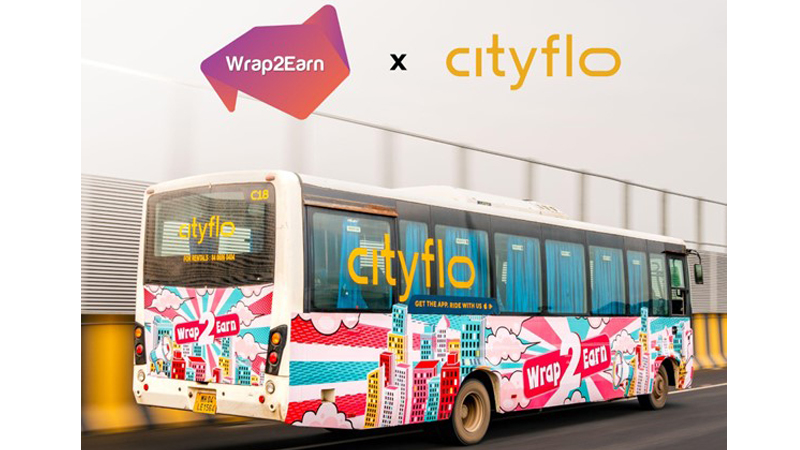
MUMBAI: Talk about a move in the right direction! Wrap2Earn is hitting the advertising fast lane with its latest partnership with Uber Shuttle, Uber’s intracity bus service for corporate commuters. The Mumbai-based transit advertising firm now holds exclusive rights to manage both exterior and in-vehicle branding across Uber Shuttle’s fleet of over 1,000 buses zipping through more than 50 curated routes in two of India’s busiest metros.
With over a million monthly bookings, Uber Shuttle has become the preferred ride for professionals who value comfort, reliability and consistency. And that’s precisely the audience brands are keen to catch on the move. From the outside wraps that dominate cityscapes to in-bus displays targeting over 50,000 monthly riders, the collaboration promises high visibility, measurable reach and cost-effective impact.
Uber Shuttle India Head Amit Deshpande said, “Uber Shuttle has quickly emerged as the preferred daily choice for working professionals. With this partnership, it becomes a canvas for brands to engage with professionals through smart advertising.”
The partnership also arrives at a time when static outdoor ads are losing traction. For the price of a single hoarding, brands can instead wrap up to 20 shuttle buses, each covering hundreds of kilometres daily and connecting with millions of urban commuters.
Wrap2Earn founder and CEO Elmer Dsilva added, “Uber Shuttle represents one of India’s most loved and trusted shared mobility networks. Our partnership makes it possible for advertisers to connect with a highly relevant audience through media that is both effective and measurable.”
With routes spanning major residential and business hubs, this alliance ensures brands aren’t just seen, they’re remembered. After all, in the race for attention, it seems the wheels of creativity are firmly in motion.

Brands
Godrej clarifies ‘GI’ identifier after logo similarity debate
Says GI is not a logo, will not replace Godrej signature across products.
MUMBAI: In a branding storm where shapes did the talking, Godrej is now spelling things out. Godrej Industries Group (GIG) has issued a clarification on its newly introduced ‘GI’ identifier, addressing questions around its purpose and design following a wave of online criticism. At the centre of the debate were two concerns: whether the new mark replaces the long-standing Godrej logo, and whether its geometric design mirrors other corporate identities.
The company has drawn a clear line. The Godrej signature logo, it said, remains unchanged and continues to be the sole logo across all consumer-facing products and services. The ‘GI’ mark, by contrast, is not a logo but a corporate group identifier intended for use alongside the Godrej signature or company name, and aimed at stakeholders such as investors, media and talent rather than consumers.
The need for such a distinction stems from the 2024 restructuring of the broader Godrej Group into two separate business entities. With both continuing to operate under the same Godrej name and signature, the identifier is positioned as a way to differentiate the Godrej Industries Group at a corporate level.
The rollout, however, triggered a broader conversation on design originality. Critics pointed to similarities between the GI mark’s geometric composition and logos used by companies globally, raising questions about distinctiveness.
Responding to this, GIG said its intellectual property and legal review found that such overlaps are common in minimalist, geometry-led design systems. Basic forms such as circles and rectangles appear across dozens of brand identities worldwide, the company noted.
It added that the identifier emerged from an extensive design process and was chosen for its simplicity, allowing it to sit alongside the Godrej signature without competing visually. While acknowledging that elemental shapes may appear less distinctive in isolation, the group emphasised that the mark is part of a broader identity system that includes a custom typeface, sonic branding and other proprietary elements.
Following legal and ethical assessments, the company said it found no impediment to using the identifier, reiterating that the GI mark is a corporate tool not a consumer-facing symbol.
In short, the logo isn’t changing but the conversation around it certainly has.