MAM
WPP Media places Mindshare veteran to steer Fulcrum’s south Asian operations
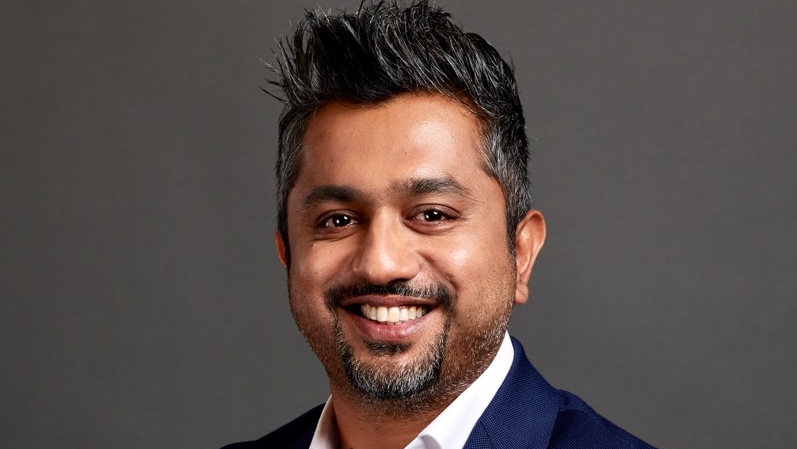
MUMBAI: WPP Media has nabbed Vinish Mathews, former chief strategy officer at Mindshare India, to head its team Fulcrum operations across south Asia. The appointment marks a homecoming of sorts for Mathews, who previously orchestrated strategic planning for Hindustan Unilever’s sprawling personal care empire during his decade-long stint at Mindshare.
Mathews arrives with 22 years of battle-tested experience spanning India, China and Southeast Asia. His CV reads like a tour through advertising’s most cutthroat markets—from steering Nestlé and PepsiCo campaigns in China’s digital-first landscape to managing Unilever’s 30-brand portfolio including Dove, Lux and Fair & Lovely in India.
The 45-year-old executive cut his teeth at The New Indian Express before climbing the ranks at The Media Edge and Mindshare. His most recent role saw him as managing director of Mindshare China, where he juggled marquee accounts including Royal Caribbean and Tourism New Zealand whilst leading Alibaba’s outbound business across Asia-Pacific, Europe and North America.
At Essence, Mathews served as vice-president and client partner for Google across India and Southeast Asia, cementing his reputation as a digital media heavyweight. His expertise spans the full spectrum from FMCG giants to fintech upstarts, with forays into automotive, tourism and consumer durables.
WPP Media’s decision to bring Mathews aboard signals its intent to capitalise on south Asia’s booming advertising market. The region has become a crucial battleground for global agencies as brands chase the spending power of India’s burgeoning middle class and the digital transformation sweeping across emerging markets.
Mathews will now task himself with driving growth and transformation for team Fulcrum’s client roster, leveraging his cross-cultural expertise and proven track record in building “immersive consumer connections.” For WPP, it represents a strategic coup in the ongoing war for talent between the world’s largest advertising groups.

Digital
India leads global adoption of ChatGPT Images 2.0 in first week
From anime avatars to fantasy covers, users turn AI visuals into culture
NEW DELHI: India has emerged as the largest user base for ChatGPT Images 2.0, just a week after its launch by OpenAI, underlining the country’s growing influence on global internet trends.
While the tool was introduced as an advanced image-generation upgrade within ChatGPT, Indian users are quickly reshaping its purpose. Instead of sticking to productivity-led use cases, many are embracing it as a creative playground for self-expression, storytelling and online identity.
From anime-style portraits and cinematic headshots to tarot-inspired visuals and fictional newspaper front pages, the model is being used to create highly stylised, shareable content. Features such as accurate text rendering, multilingual prompts and the ability to generate detailed visuals with minimal input have helped drive rapid adoption.
What sets the latest model apart is its ability to “think” through prompts, generating multiple outputs and adapting to context, including real-time web inputs. But the bigger story lies in how users are engaging with it.
In India, trends are already taking shape. Popular formats include dramatic studio-style lighting edits, LinkedIn-ready headshots, manga-inspired avatars, soft pastel “spring” aesthetics, AI-led fashion moodboards, paparazzi-style visuals and fantasy newspaper covers. Users are also restoring old photographs, creating tarot-style imagery and experimenting with futuristic design concepts.
Local flavour is adding another layer. Prompts such as cinematic portrait collages and Y2K-inspired romantic edits are gaining traction, blending global aesthetics with distinctly Indian internet culture.
The surge reflects a broader shift in how AI tools are being used in the country, moving beyond utility to creativity. As younger users, creators and social media enthusiasts experiment with new visual formats, AI-generated imagery is increasingly becoming part of everyday digital expression.
If early trends hold, ChatGPT Images 2.0 may not just be a tech upgrade but a cultural moment, giving millions a new visual language to play with online.