MAM
Videa launches automated television advertising platform


MUMBAI: Videa, a Cox-backed supply-side platform bringing automation and data-driven decision-making to broadcast television, is slated to debut at the National Association of Broadcasters Show in Las Vegas next week. Videa is currently working with seven key broadcast partners including Gannett, Raycom, Media General, Graham Media, and Cox as well as major advertising agencies including Carat / Amplifi and Starcom, to enhance and simplify the buying and selling of television advertising.
First launched in beta in December 2014, Videa has worked with station groups, agencies and rep firms across the spot TV ecosystem to build an automated television solution that optimizes advertising campaigns and enables workflow efficiencies and data enhanced audience targeting.

For broadcasters, Videa provides a powerful set of products and services driven by insightful reporting tools to enhance their existing sales channels and bring new sources of demand to spot television. By leveraging Videa’s platform, stations can offer features such as transparent pricing, enhanced data, yield and schedule optimization, and improved stewardship. Videa’s platform works across existing sales channels and offers buyers advanced access to the entire premium TV inventory schedule.
As part of its launch, Videa has also inked a key partnership with Mediaocean, the leading software platform provider for the advertising world, to provide agencies unprecedented speed, efficiency and transparency to traditional local broadcast media transactions. As part of the agreement, Videa will be the supply partner for broadcast inventory that will be initially available through Mediaocean’s Spectra.
“Our goal is to continue to make spot television more efficient and more powerful and believe the partnerships we have in place with the broadcasters, agencies, rep firms and Mediaocean are integral in achieving that goal. The Videa platform arms local stations with the same capabilities as large networks, helping them efficiently and effectively sell more spot television advertising at scale – something we will continue to do as we evolve our product to include more audience targeting capabilities,” said Videa president Shereta Williams.
“The ability to access traditional television advertising using automation provided by Mediaocean and Videa is a critical step forward in convergence. Embracing this change is essential to success and we are continually evolving to offer our clients a central converged ecosystem. The first step was enabling media buyers to access TV and digital from one platform, and now by partnering with Videa we are offering clients the technology to buy and sell broadcast in the most efficient way,” added Mediaocean vice president, product and partner solutions Cordie DePascale.
Videa is the only TV supply-side platform that provides a broad range of tools to manage sales channel conflict, as well as yield optimization tools. Local broadcasters can now leverage automation and data to enhance existing selling approaches and increase the demand for their inventory while providing advertisers with automation and analytics to reach target audiences with greater speed and accuracy.


MAM
Crocs and Lego launch new collaborative collection in India
Iconic brands bring playful creativity to footwear with first drop on 13 April 2026.
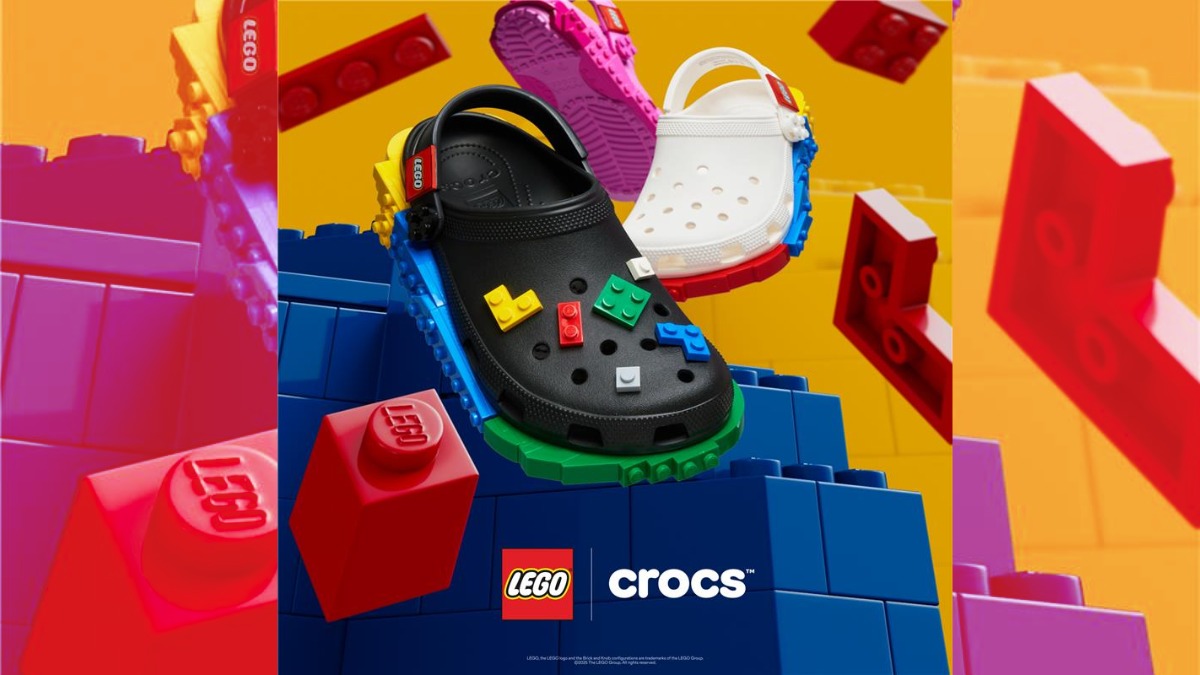
MUMBAI: Crocs and Lego have clicked together once again and this time, the bricks are heading straight for Indian feet. The global footwear brand Crocs has announced the India launch of its latest Crocs x Lego Group collection, following the excitement of their multi-year global partnership unveiled earlier this year. The collaboration celebrates creativity, play, and individuality, merging Crocs’ signature comfort with Lego’s iconic building-block spirit.
The collection will roll out in two phases. A digital-exclusive pre-launch begins on 13 April 2026 on crocs.in, featuring four styles: the Lego Masterbrand Creativity Clog, Lego Midnight Garden Creativity Clog, Lego Creativity Clog, and Kids’ Lego Creativity Clog. Each pair purchased during this phase will include an exclusive Lego minifigure as a collectible bonus.
From May 2026, the full collection will be available across select Crocs stores, VegNonVeg, and Foot Locker outlets nationwide.
The designs playfully blend Crocs’ classic clog silhouette with Lego brick-inspired details, complete with custom Jibbitz charms on the upper and sole. The collection encourages wearers to treat their footwear as a canvas for personal expression, without any set instructions just an open invitation to build, explore, and have fun.
Crocs chief marketing officer Carly Gomez said, “The Lego Group’s boundless imagination makes them the perfect match to Crocs’ wonderfully unordinary spirit. We are both brands that pride ourselves on being built different, celebrating self-expression and fuelling creativity.”
LEGO Group, head of licensing & extended line design & partnerships Satwik Saraswati added, “Our common mission to enable self-expression and wear it with pride only marks the beginning of a journey with endless possibilities.”
The campaign will extend beyond the product launch through creator-led seeding, elevated visual merchandising, and exclusive on-ground previews, supported by a deeper partnership with the Lego India team.
In a market that loves both comfort and fun, Crocs and Lego have built something special, a collection that lets every step feel like playtime. Get ready to click your heels (or rather, your clogs) because this collaboration is set to be a blockbuster hit with Indian fans.