Brands
Unilever expands Sustainable Living plan



MUMBAI: In its third year, Unilever’s Sustainable Living Plan has made good progress, and with an intention to expand it further to bring about broader change on a global scale, the company plans to undertake more projects.
Unilever CEO Paul Polman said, “In the three years since we launched the Unilever Sustainable Living Plan we have learned that sustainability drives business growth and a much deeper connection with our employees and consumers. In 2013, we’ve seen good progress, particularly on targets within our direct control. Our Plan is helping us to save money, reduce risk and drive innovation, and brands that have done the most to embrace sustainable living, like Dove, Lifebuoy, Pureit and Domestos, are enjoying some of our fastest growth.”
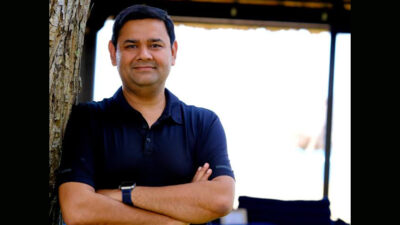
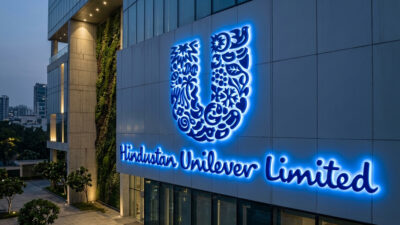
Highlighting the progress made in India, Hindustan Unilever (HUL) MD & CEO Sanjay Mehta said, “Our Sustainable Living Plan is what makes our business model different from others because sustainability is integral to how we do business and how we build growth. The success of brands like Lifebuoy clearly demonstrates that there is no contradiction between sustainability and profitable growth. We are happy with the progress we have made on our Plan in India in 2013. We have further built on our plan with the launch of ‘Prabhat’, which is a part of our long term effort to engage with and contribute to the development of local communities around our manufacturing sites. Prabhat focuses on health and hygiene, livelihoods and water conservation initiatives which are fully aligned to the Unilever Sustainable Living Plan priorities.”
The company will continue to focus its scale, influence, expertise, and resources on making a fundamental change to entire systems, not just incremental improvements. This will involve stepping up plans to tackle several major global sustainability challenges, including:
· helping to combat climate change by working to eliminate deforestation, which accounts for up to 15% of global greenhouse gas emissions
· improving food security by championing sustainable agriculture, and improving the livelihoods of smallholder farmers who produce 80% of the food in Asia and Sub Saharan Africa
· improving health and well-being by helping more than a billion people gain access to safe drinking water, proper sanitation and good hygiene habits
In the area of social compliance, Unilever also confirmed that the Sustainable Living Plan has been expanded with a more substantive Enhancing Livelihoods programme focusing on:
· fairness in the workplace
· opportunities for women
· developing inclusive business
These three areas of focus are fundamental to the way Unilever aspires to do business and will help support its continued growth.
Announcing the expanded plan, Polman, said, “We’re making good progress in reshaping our business for sustainable, equitable growth. But we need to do more. We have always recognised the bigger role that businesses need to play, and now is the moment for Unilever to step up and expand efforts in key areas, driving transformational change where we know we can make the biggest impact. In this way we will leverage our scale and work collaboratively in partnership with others to reach a tipping point in areas that will make a significant difference.”