Brands
Trump’s ‘Victory’ scent muscles into celebrity perfume mania

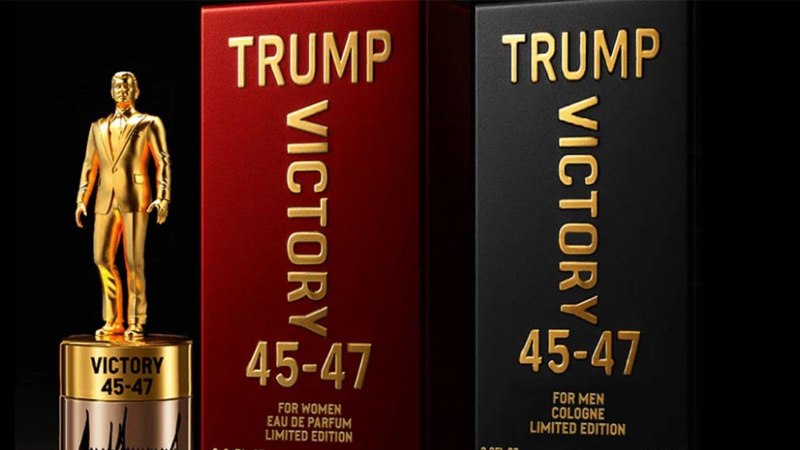
MUMBAI: Celebrity perfumes are big business. And now, Donald Trump wants a whiff of victory too. As the current US president and a real estate mogul, he has just added cologne to his ever-growing merchandise empire. His latest launch, ‘Victory 45–47’, is a perfume duo pitched as an olfactory power play, bottled with the promise of “Winning, Strength, and Success.” The perfumes are packaged in stylish boxes — black with gold for men and red with gold for women. The bottles are shaped like miniature statues of Trump.
Smells like confidence? Certainly. Subtle? Not in the slightest. But that’s the point.
Trump’s entry into the celebrity fragrance fray marks a bold twist in a trend that’s already one of the most lucrative crossovers in pop culture. Perfume, once the province of Paris and prestige perfumers, is now the ultimate flex for the famous bottled personality, a scent-led story, a sensory souvenir of stardom.

Celebrity scents are no longer novelty side-hustles; they’re billion-dollar businesses. And for stars with rabid fan bases, launching a perfume line offers more than just revenue as it offers a way to linger long after the applause fades.
Before Trump spritzed “success,” there was Taylor Swift’s Wonderstruck, Paris Hilton’s Heiress, Jennifer Lopez’s Glow, and Britney Spears’ Fantasy series — sugary, sparkling olfactory time machines for a generation that grew up with them. The Kardashian sisters transformed their brand of reality-glam into perfume bottles shaped like crystals. Each scent sold a persona, a feeling, a filter.
In India, Shah Rukh Khan dipped into the fragrance scene with an offering as suave as his on-screen presence, while Amitabh Bachchan’s foray echoed his gravitas and enduring appeal. For fans, these perfumes weren’t just products — they were accessible. Affordable. Aspirational. And wearable.
The process isn’t as simple as lending a name and collecting royalties. Crafting a celebrity fragrance involves late-night mood boards, deep dives into personal stories, and the careful balancing of notes that reflect personality without alienating mass-market palates.
Top perfumers often sit with celebrities to understand their vision — or at least their vibe. What results is a cocktail of emotion and olfactory chemistry: floral highs, musky lows, and a middle note of “this smells like me.” The packaging? Almost as crucial as the juice. It’s storytelling in glass — and shelf appeal is everything.
Celebrity scents today are more than aromatic accessories. They’re extensions of personal style, markers of mood, and declarations of fan loyalty. Wearing a celebrity fragrance is not just about smelling good — it’s about aligning with a lifestyle, be it Swift’s soft girl elegance or Trump’s chest-thumping alpha masculinity.
As social media and AI reshape how fragrances are marketed, the future of celeb scents is set to get even more personalised — think interactive campaigns, name-dropped reels, and algorithm-powered fragrance matches. Fans won’t just buy the perfume; they’ll star in its story.
Trump’s Victory 45–47 might raise eyebrows, but it also raises an important point: in a world of fleeting fame, fragrance lingers. For celebrities, perfume offers permanence — a way to stay relevant, even when the spotlight dims.
So whether you reach for Paris Hilton’s sparkle, Swift’s sweetness, or Trump’s testosterone, remember: behind every bottle is a brand, a story, and a scent of ambition.






Brands
Jubilant Foodworks to end Dunkin’ franchise in India
Pizza chain operator will not renew agreement when it expires at end of 2026.
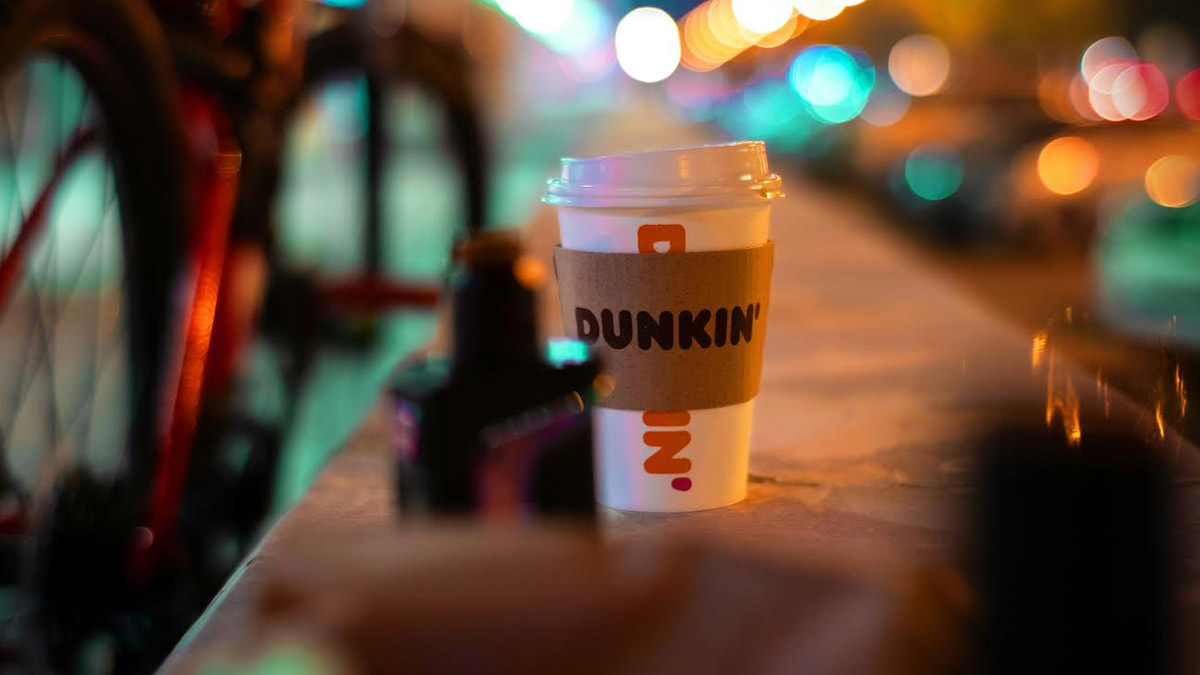
MUMBAI: When the doughnuts stop turning and the coffee goes cold, even a global giant like Dunkin’ can find the Indian market a tough brew to crack. Jubilant Foodworks has decided not to renew its franchise agreement with Dunkin’ when the pact expires on 31 December 2026, according to a Reuters report. The operator, best known for running Domino’s outlets in India, said it would evaluate options for its existing Dunkin’ stores, including a potential sale or transfer of franchise rights, in consultation with the US-based brand.
The decision follows years of underperformance in a market where local tastes and intense competition have made it difficult for international coffee-and-doughnut formats to gain traction. Jubilant, which has increasingly focused on its core pizza business and newer bets like Popeyes, indicated that the exit would not materially affect its financial or operational position.
Dunkin’ accounted for just 0.61 per cent of Jubilant’s revenue in the fiscal year ending 2025 and recorded a loss of approximately Rs 191 million, according to a regulatory filing. The company operated 27 outlets as of December 2025, having shuttered seven stores over the preceding year.
The retreat comes even as Jubilant’s broader business shows signs of momentum. The company reported a 65 per cent rise in quarterly profit for the October to December period, reaching Rs 70.9 crore, up from Rs 42.91 crore a year earlier.
For Jubilant, the exit reflects a sharpening strategic focus. For Dunkin’, it marks another setback in a market that has proven resistant to imported café concepts without significant localisation.
In the cut-throat world of Indian quick-service restaurants, sometimes the sweetest deals are the ones you quietly walk away from leaving more room for the brands that truly rise to the occasion.