MAM
TRAI seeks to define TV ratings guidelines


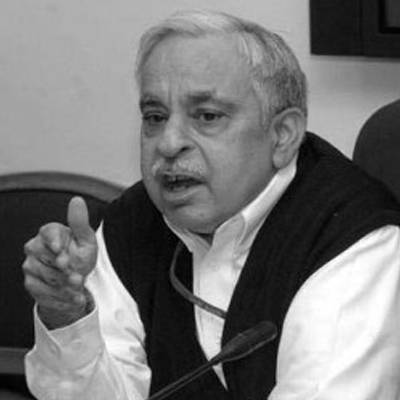
NEW DELHI: Even as the government-mandated Broadcast Audience Research Council (BARC) has been working on getting its act together, the Telecom Regulatory Authority of India (TRAI) today expressed the need for urgency in finalising its regulations for TV ratings agency accreditation. In an Open House today on its consultation paper on “Guidelines/Accreditation Mechanism for Television Rating Agencies in India,” TRAI officials indicated that the system of rating agencies could be streamlined only through proper guidelines mandated by it.
TRAI chairman Rahul Khullar, Principal Advisor (Broadcasting and Media), and other officials were present at the open house attended by about 30 stakeholders, including News Broadcasters’ Association head K.V.L, Narayan Rao, BARC CEO Partho Dasgupta, Paritosh Joshi, Indian Broadcasting Foundation (IBF) secretary general Shailesh Shah, among others.
The stakeholders were generally in favour of a self-regulated mechanism through BARC which has committed to roll out TV ratings by Q2 2014.
Most of the attendees agreed that TAM had failed in its task and any agency that takes over this work should be able to give a more rational coverage of viewership.
Khullar at the meeting candidly said that even if BARC is progressing, he had been mandated by the ministry of information & broadcasting to start the consultative process on TV ratings which he was doing. He also said it was not clear who would be the regulating agency for the TV rating process in India: TRAI, I&B minsitry, or industry itself.
Some participants of the Open House however expressed their fears that it is quite likely that TRAI will end up being the regulatory agency for the same.
In an effort to put an end to controversies generated by TRPs, TRAI had on 17 April issued a paper to deal with issues such as establishing an accreditation mechanism for TV rating agencies and methodology of audience measurement to ensure transparency and accountability in the rating system.
The consultation paper on “Guidelines/Accreditation Mechanism for Television Rating Agencies in India” also seeks to get the views of stakeholders on sample size; secrecy of sample homes; cross holding between rating agencies and their users; complaint redressal; sale and use of ratings; disclosure and reporting requirement; competition in rating services; and audit.
The consultation paper has been issued at the behest of the I&B ministry, which had earlier received a report from the Amit Mitra Committee on the subject. IBF has since been working to set up BARC as an alternative to TAM.
TRAI officials said incorrect ratings will lead to production of content which may not be really popular while good content and programmes may be left out. Therefore, there is a need to have an accurate measurement and representative television ratings for programmes.






