MAM
Tokyo 2020: Brands riding the Olympics bandwagon to root for Team India

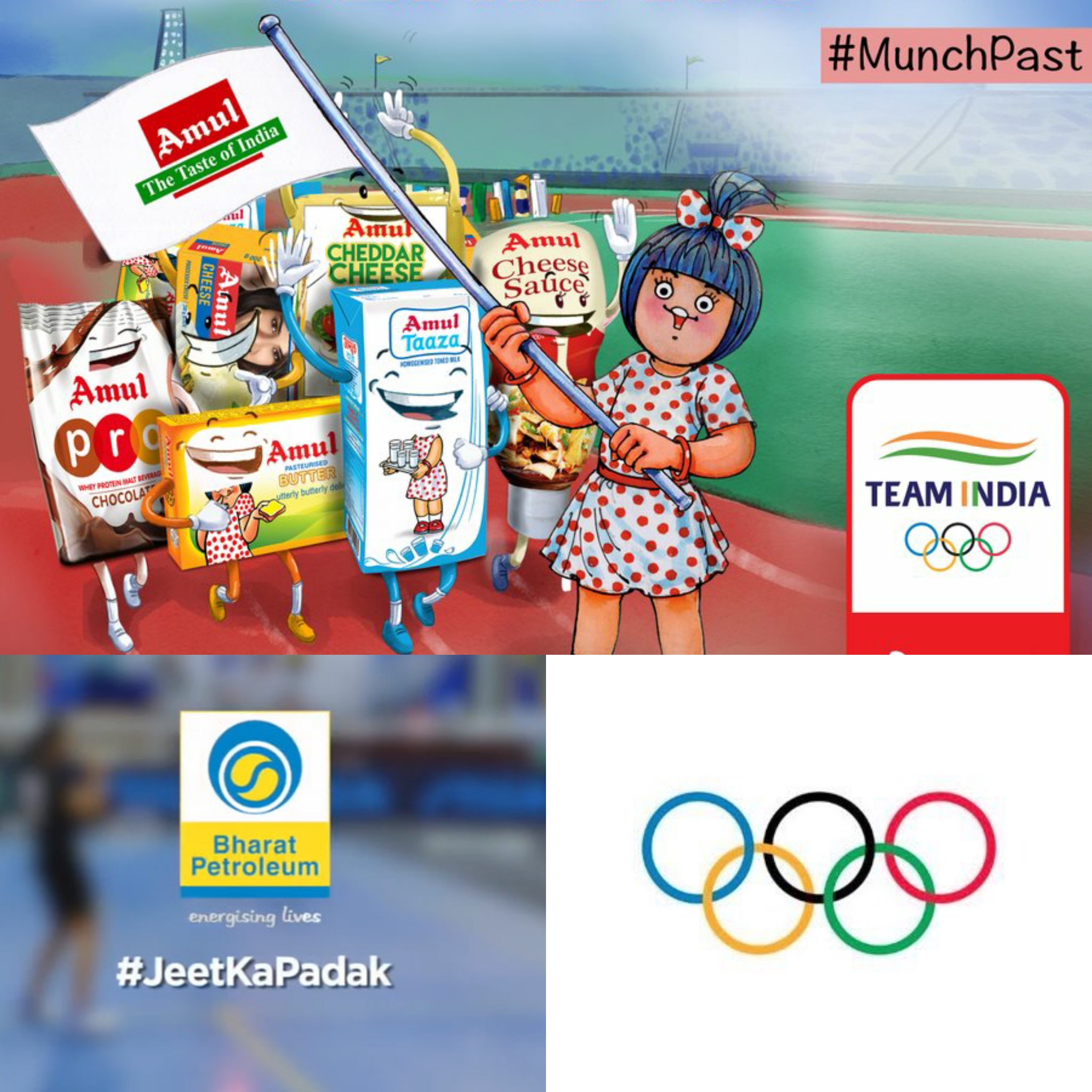
MUMBAI: As India enters its 100th year of participation at the Olympic Games, the world witnesses the Games as never before. The country sent its first team to the Olympic Games in 1920, comprising four athletes and two wrestlers. Cut to this year’s 228-strong Indian contingent- the nation’s largest ever- at the event, delayed by a year due to Covid-19, and being staged amid a raging global pandemic, with zero spectators cheering from the bylanes.
However, that hasn’t stopped brands from going all out to cheer for Team India, as the mother of all gaming events gets underway. Brands have launched rousing, stirring campaigns that aim to infuse hope and cheer at an otherwise sombre Games, dampened by the pandemic.
Astral Pipes put out a heartening post acknowledging the efforts of all Olympians, regardless of whether they bring laurels back home, or not. It wrote:
“To all the Indian Athletes, we know you have worked really hard for the Olympics, we are proud of you. Win or lose, it doesn’t matter, keep up with the good work and the glory will follow you to our nation.”
Amul
The Dairy major known for its topicals released a couple of posts heralding the commencement of the Games and cheering Team India. #Amul Topical: Let the 2021 Tokyo Olympics begin!
#Amul Topical: Let the 2021 Tokyo Olympics begin! pic.twitter.com/T0zk6w3XjX
— Amul.coop (@Amul_Coop) July 22, 2021
#Amul Topical: Wishing our javelin throwers success at Tokyo Olympics! pic.twitter.com/QBa2lAJt8Y
— Amul.coop (@Amul_Coop) July 20, 2021
HUL’s Rin
The FMCG major launched a TVC celebrating the inspiring story of C.A. Bhavani Devi- the first Indian fencer to qualify for Tokyo 2021 Olympics. Rin’s #AbWaqtHaiChamakneKa narrates Bhavani’s story throwing light on the sacrifices of her mother who supported her in her pursuit of fencing, and highlights her incredible journey, which is an inspiration for all.
Bharat Petroleum Corporation Limited (BPCL)
BPCL flagged off a series of campaigns under the title ‘Jeet Ka Padak’, which comprises a music video and inspirational stories of athletes on social media. The inspiring campaign aims to support and celebrate the sports individuals who pursue their dreams and demonstrate the valour to rewrite their destiny.
MPL Sports Foundation
The Mobile Premier League (MPL) launched a campaign featuring some of the biggest Indian Olympic stars, as part of a nationwide campaign to rally the 1.3 billion Indians to become fans of the Indian contingent at the 2020 Tokyo Summer Olympics. Called #FanBannJaaoge, the campaign features a film in multiple languages with Olympians PV Sindhu, Wrestler Bajrang Punia, Fencer Bhavani Devi, Shooter Manu Bhaker, and others. It was released across all mediums- TV, print & digital platforms.
The JSW Group
The Group launched an extension of its campaign, Rukna Nahi Hai, to celebrate and wish the Indian contingent. The campaign comprises a video featuring Neeraj Chopra, PV Sindhu, Manu Bhaker, Bajrang Punia and Vikas Krishan Yadav, lauds the indomitable spirit of the Indian athletes. The film also celebrates the official sponsorship by the Indian conglomerate of the Indian Olympic Association for the Tokyo2020 Games. The video showcases how the athletes have had to train harder through the challenging circumstances owing to the COVID-19 pandemic, which even caused the mega-event to be postponed by a year.
Thums Up
The Indian brand from the Coca-Cola beverage portfolio, has come to the forefront and partnered with the major global event. It launched the adrenaline-thumping Toofan wahi jo sab #PalatDe campaign, cheering Team India at the Games.






