Brands
The rise of the “experience economy”: How beverage brands are creating unique customer experiences
With the outbreak of what is known as the “experience economy” that focuses on experiences and engagements, beverage companies are creatively redefining between themselves and their customers. These companies are no longer satisfied with just producing a good that is well made; they proceed to create a memorable experience that a consumer can relate to on the emotional and social level.
The emergence of experiential marketing
That is why the concept of experiential marketing, which relies on direct and live communication between consumers and producers, is considered to be the keystone by which the beverage industry can develop. This goes beyond just placing an advert; the goal here is to engage the emotions of the audience in this case the customers. One can notice that the beverage sector is interest-related and has a rather deep cultural and social background, which will allow embracing this trend.
Crafting memorable in-store experiences
In-store promos form one of the most important channels through which beverage firms interact with consumers. The comfort and friendliness of retail areas, which are sweeping the globe, have become an important tactic among such strategies. What is more, these establishments personalize services and organize unique store designs, as well as focus on events that benefit the community, all of which add value to the brand as they are not just serving a drink.
Immersive brand activations
Another example of how companies engage an audience is through pop-up bars and other fully realized brand experiences. Brands have started with various tasting sessions of the products and production tours to the various production facilities. Such experiences enable the consumers to interact with the production process and the narrative of a brand first-hand, which creates trust.
Based on the above analysis, the future of beverage experiences can be discussed in the following areas:
It will be interesting to note how the experience economy will further develop but clearly, new strategies which integrate will be looked at by beverage companies. Effects such as virtual reality (VR) experiences, and AI-driven personalisation measures, and innovations such as interactive packaging are some of the trends that could shape the future consumer experiences with beverages.
It is therefore evident that the adoption and advancement of the experience economy are conditioning beverage firms’ approaches and improving customer touch-points. It is proving that through establishing experiences that are easily memorable and that exist beyond the product, such companies realise deeper, more passionate connections whilst building more fan-centric associations. Thus, with the development of new technologies and growing consumer demands, the options are only vast for new and exciting experiences in the consumption of beverage products.
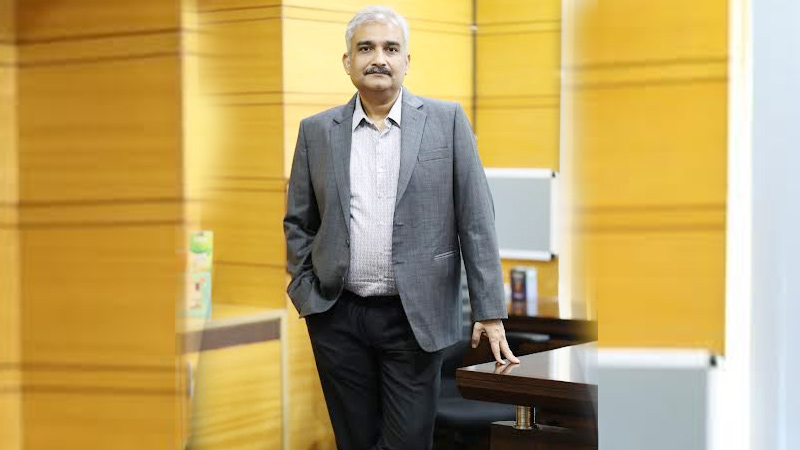
The article has been written by Chai Sutta Bar co-founder Anand Nayak.

Brands
Estée Lauder to shed 10,000 jobs as new boss bets on digital shift
The cosmetics giant raises its profit outlook but stays silent on a possible merger with Spain’s Puig, as job cuts deepen and a three-year sales slump weighs on the turnaround
NEW YORK: Stéphane de La Faverie is not done cutting. Estée Lauder announced on Friday that it plans to eliminate as many as 3,000 additional jobs, taking its total redundancy programme to as many as 10,000 roles, up from a previous target of 7,000 announced a year ago. The company, which owns La Mer, The Ordinary, Tom Ford, and Aveda, employs roughly 57,000 people worldwide. The mathematics of what is now being contemplated is stark.
The fresh round of cuts is expected to generate a further $200 million in savings, bringing the total annual savings from the programme to as much as $1.2 billion before taxes. That money, De La Faverie has made clear, will be ploughed back into the turnaround.
A CEO in a hurry
De La Faverie, who took the helm in January 2025, inherited a company that had endured three consecutive years of annual sales declines. His response has been to move fast and cut deep. A significant portion of the latest redundancies reflects his push to reduce headcount at US department stores, long a cornerstone of Estée Lauder’s distribution model but now a channel in structural decline. In their place, he is accelerating the shift toward faster-growing online platforms, including Amazon.com and TikTok Shop, a pivot that is reshaping not just where Estée Lauder sells but how it thinks about its customers.
The numbers are moving in the right direction
Despite the pain, there are signs the medicine is working. Estée Lauder raised its profit outlook for the remainder of the fiscal year, guiding for adjusted earnings per share in the range of $2.35 to $2.45, above analyst estimates and a notable step up from the $2.05 to $2.25 range it had guided for in February. Organic net sales growth is expected to come in at 3 per cent, the company said, at the high end of the range it set out in February.
The share price tells a mixed story. After De La Faverie took charge, the stock surged nearly 60 per cent, buoyed by investor optimism that a longtime company insider could finally arrest the decline. But 2026 has been rougher: the shares have fallen 27 per cent this year, weighed down by disappointing February results and the overhang of unresolved merger talks with Spanish beauty giant Puig Brands SA. The company gave no additional details about those discussions on Friday, leaving the market to guess.
Silence on Puig
The proposed tie-up with Puig remains the most consequential unknown hanging over Estée Lauder. A deal with the Barcelona-based group, which owns brands including Carolina Herrera and Rabanne, would reshape the global luxury beauty landscape. But with nothing new to say and a turnaround still very much in progress, De La Faverie is asking investors to trust the process.
Three years of sales declines, 10,000 job cuts, and a merger that may or may not happen. At Estée Lauder, the overhaul has barely started.