MAM
The ins and outs of femvertising

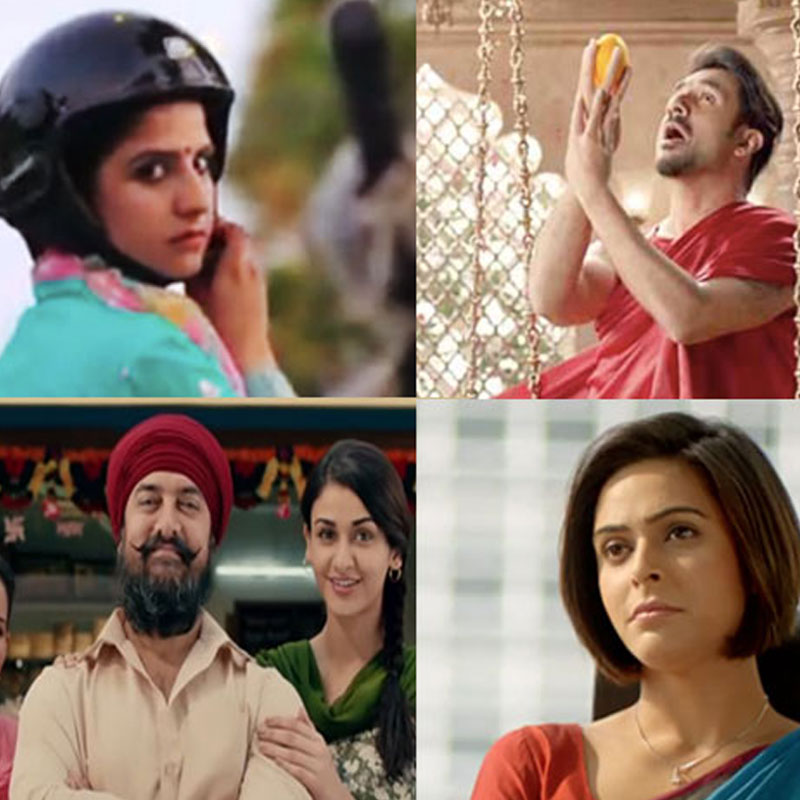
MUMBAI: How many times have you come across ads that seek to empower women and ask them to take on the world (at times by using their product)? The general tendency of advertising in the seventies and the eighties was to objectify women in order to fascinate the ‘male audience’ to buy their product as traditionally, the man of the house was considered to be the only (buying) decision maker. But that has changed over the years and advertising has evolved along with our society.
Today, an increasing number of brands are creating pro-female ads in keeping with an increasing number of women finding their voice in society and the workplace – basically with the emergence of feministic values. The advertising industry that once relied actively on objectification of women to promote brands is now starting to attract the attention of female consumers and make them feel understood and valued.
While it may not be in listed in the Oxford dictionary yet, but femvertising is today de rigeur. It may be defined as advertising that employs pro-female talent, messages, and imagery to empower women and girls. Brands around the world are jumping on the bandwagon to empower women by integrating feministic messaging their ads.

But it might not be the best decision for all brands to take the femvertising route as one size does not fit all. Take the case of CEAT, a company majorly known for manufacturing tyres. It has introduced CEAT Safety Grip that is a customised scooter handle grip which seamlessly conceals a pepper spray in the accelerator throttle for quick and easy access at time of distress.
It’s aimed at instilling confidence among women riders and empowers them to take charge of their own safety.
A tyre manufacturer creating a line of product for women safety, strange is it not?
Brand-Building.com founder and brand guru Ambi Parameswaran points out that any brand which jumps on to a cause just because it is new is doing a singular disservice to the practice of marketing and branding. However it makes sense if the brand is in someway connected with women empowerment and has a long-term goal around this promise and premise.
Concern over women’s safety has become a prominent issue now than ever before as women vehicle (scooter) ownership is on the rise and an increasing number of ladies are now joining the workforce. But creating a separate line of products targeted only for women may incur extra cost to the company as a lot of time and money goes behind R&D and perfecting the product.
CEAT senior vice president of marketing Nitish Bajaj mentioned that the company works with external partners to design and test such products while it also has an exclusive authorised manufacturing and packaging partner which has invested in this product while CEAT will be extending support in pushing it to the target audience.
Women empowerment and safety find a resonance in every kind of product and service. A condom ad for instance speaks about women’s empowerment and safety in equal measure as a safety app that tracks where one is going. Harish Bijoor Consults founder and brand strategy specialist Harish Bijoor believes that using the empowerment theme to a greater degree of value will be the trend in the years ahead in India, as India wakes up to women’s empowerment and safety themes.
Creating campaigns and products designed specifically for women safety or empowerment sure does lead to a jump in sales and helps in improving the brand perception. Mindshare principal partner of strategy Preeti Mascarenhas recalls one of their biggest wins this year in strategy, the Nayi Soch campaign for Star as it not only got the audience pull but also helped in bringing change in Indian society.
Havas Media Group CEO of India and South Asia Anita Nayyar notes that it certainly does help in improving brand perception and is seen as a specific effort to create, keeping women safety and empowerment top of mind. It positively pre-disposes the audience to buy hence, leading to sales and being created and designed specifically for the ‘Women in Me’ helps.
Affirming that not all brands can pull this off, Ambi Parameswaran notes that if not enough thought is put into the process, it may end up confusing the consumer and cause damage to its long term prospects. Companies that manage to do this need to make sure that it is part of a long-term goal and not a ‘hire a cause of the month’ campaign.
Traditionally, it was believed that if a brand wants to target women, it needs to advertise on television alone as a majority of women in India are still hooked on to their TV sets as compared to digital. Our media experts seem to believe that it still holds true and not much has changed. The general consensus is still that television is the prime medium of attraction for this audience segment, followed by digital and then print. CEAT on the other hand believes that digital platforms help in creating awareness and hence will be showcasing its new film on social media. Tanishq in the past has maintained that the jewellery brand’s core focus to connect with consumers via digital and it will continue to invest heavily on it.
Whether femvertising here to stay or not is debatable. While Anita Nayyar and Preeti Mascarenhas believe that it is here to stay and we will continue to see the momentum growing over time, Harish Bijoor opines that it is just a passing phase. “When every brand around uses femvertising, and when everyone gets tired of it as a cliche, brands will nudge their way to Malevertising (Male Advertising) and this will be a yo-yo process for sure,” he concludes.
The balance swings between the ying and the yang. Even in advertising.