Brands
Tata’s ‘Himalayan’ mineral water enters U.S.

MUMBAI: Tata Global Beverages’ natural mineral water brand Himalayan has entered the U.S market.
Alliance with Talking Rain Beverage Company to distribute and market the Himalayan water brand in the U.S Tata Global Beverages’ (TGB) premium natural mineral water brand ‘Himalayan’, will now enter the USA market in a phased manner, through an agreement signed by its subsidiary with Talking Rain Beverage Company, the maker of Sparkling Ice flavored sparkling waters to distribute and market the brand. This makes Himalayan which is backed by the trust and credibility of the Tata brand, one of the first premium Indian FMCG brands to target the broader American audience . This agreement will give Himalayan the benefit of Talking Rain’s extensive go to market and execution capabilities in
the U.S, which synergize well with TGB’s product expertise and marketing capability. The premium end of the water market in the country is growing rapidly and Himalayan is well positioned to leverage the growth in this segment.
Himalayan water is a premium source water, from a pure and pristine underground moving stream aquifer, which is about 400 feet below the surface, in the foothills of the Himalayas. Every drop travels through layers of rock, sand and silt for over 20 years. These layers act as natural filters and during this journey, allow the water to pick up essential minerals from which it acquires its unique composition and taste.
Himalayan is currently available in India and Singapore. The brand recently launched a Sparkling variant in select markets in India and is piloting its flavoured water ‘Orchard Pure’ in the Delhi/NCR region.
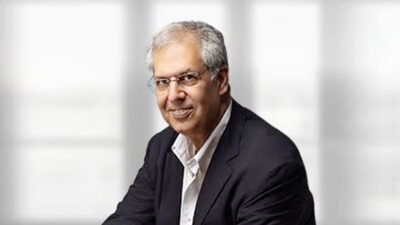
TGB managing director and CEO Ajoy Misra said “We’re happy to be partnering with Talking Rain Beverage Company® for a phased launch of Himalayan in the U.S market. The strength of their distribution network and category expertise will help the brand make a strong foray into the U.S market. Himalayan is a key part of our functional waters portfolio. We believe in the product’s potential and are confident it has the attributes to become a global premium brand. The brand has been making steady progress in India and we are expanding its reach and strengthening the product portfolio.”
Talking Rain Beverage Co. president Marcus Smith, “Since 2012, we have worked diligently to create a strong and strategic direct-store-delivery distribution network, comprising more than 300 distributors covering every county in the United States. We are thrilled that the groundwork laid by the company and our distributor and retail partners has allowed the opportunity for a partnership of this kind, and we look forward to playing an instrumental role in the successful U.S. market entry for Himalayan Natural Mineral Water.”