MAM
Tata Consumer Q2 FY25: Revenue rises, profit margins face cost pressures

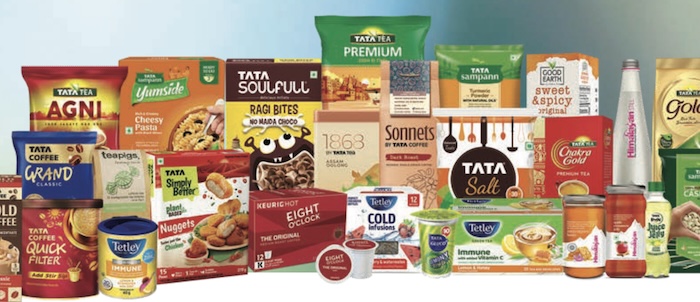
Mumbai: Amidst an evolving landscape in the fast-moving consumer goods (FMCG) sector, Tata Consumer Products Limited (TCPL) Q2 FY25 results paint a picture of growth tempered by cost challenges. The company’s revenue from operations surged by 13 per cent year-over-year to Rs 4,214.45 crores, driven largely by a stronger performance in the non-branded business segment and international markets. However, cost inflation, particularly in tea prices, and rising finance costs weighed on profitability, leading to a 16 per cent drop in profit before exceptional items and tax to Rs 424 crores.
The results were significantly influenced by recent acquisitions, including the integration of Tata Coffee Limited and other subsidiaries. While these strategic moves aimed to bolster the company’s portfolio, they also contributed to higher finance and amortisation expenses, impacting margins. “Our focus remains on navigating cost pressures while accelerating growth across key markets,” said Tata Consumer Products, MD & CEO, Sunil D’Souza.
The company reported an exceptional expense of Rs 27.17 crores for legal, professional fees, and restructuring costs related to these acquisitions, marking an increase from Rs 14.55 crores in the same period last year. Despite these headwinds, a one-time tax credit of Rs 74 crores on the merger of subsidiaries helped support the bottom line, resulting in a consolidated net profit of Rs 367.21 crores, a modest 1 per cent improvement compared to Q2 FY24.
The Indian branded business segment faced notable pressure, with a 2 per cent growth largely offset by tea cost inflation. Conversely, the international branded and non-branded segments exhibited stronger performance, with growth rates of 5 per cent and 19 per cent, respectively. The non-branded business, which includes plantations and extractions, achieved a notable revenue increase to Rs 462.28 crores. The segment’s profitability improved substantially to Rs 106.13 crores, reflecting better commodity price realisation and efficiency gains.
Tata Consumer’s recent amalgamations, including Tata SmartFoodz and Tata Coffee, have reshaped its business structure, aiming for operational synergies. The restructuring has also brought significant changes to the company’s debt profile. The debt-to-equity ratio has climbed from 0.09 in Q2 FY24 to 0.14, signalling a rise in leverage due to acquisition-related financing.
The company’s earnings before interest, tax, depreciation, and amortisation (EBITDA) margin slipped from 12.71 per cent in Q2 FY24 to 11.39 per cent, as cost pressures from raw materials and acquisition expenses weighed heavily. “We are focused on cost mitigation initiatives while ensuring that we invest in our brands and strategic priorities,” D’Souza added.
Looking ahead, Tata Consumer aims to balance growth with cost containment, particularly in managing the impact of raw material inflation. The FMCG giant is also eyeing expansion in high-potential markets while consolidating its position in core categories.