MAM
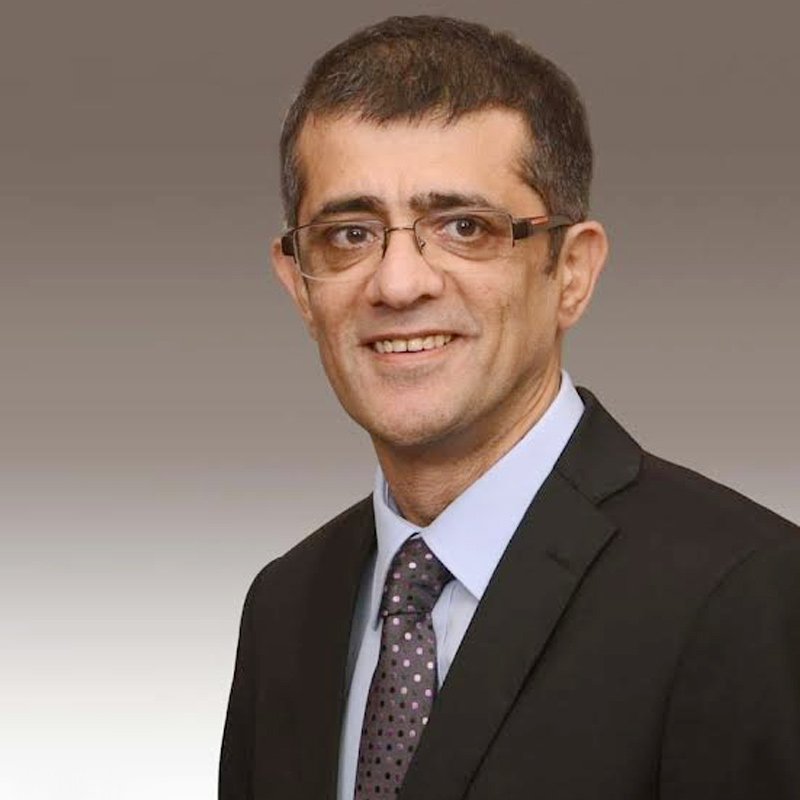
Sunil Lulla joins dentsu as consultant advisor for India
Mumbai: dentsu on Thursday announced the appointment of industry veteran Sunil Lulla as consultant advisor for India, effective 4 April. He will work with the business until dentsu India hires a permanent CEO.
“Lulla will report to dentsu India Interim CEO Peter Huijboom to focus on driving business growth and activation in the market. The company continues its search for the right candidate to lead the dentsu India business,” said the statement.
Lulla previously served as Balaji Telefilms Group CEO and Broadcast Audience Research Council (Barc) India CEO.
“Sunil is joining us at a critical time as we realise the benefits of our transformation through our integrated offering. He has had an impressive career with significant achievements in the businesses he has worked with, and I am looking forward to our partnership,” commented Peter Huijboom. “We see significant opportunity in the India market and I am pleased with the momentum we are seeing. Sunil will continue to accelerate our growth trajectory while working with our teams to define, activate and ignite dentsu’s winning culture in the market. It’s an exciting time to be at dentsu India.”
Lulla will partner with key members of the India leadership team to realise dentsu’s global vision of being the ‘world’s most integrated network by 2024.’ stated the agency.
“I am thrilled to participate in denstu India’s growth and transformation journey. I could not refuse an opportunity to work with a business that is relentlessly focused on shaping their own business to help clients navigate the changing market context and pioneer a new way forward,” remarked Sunil Lulla. “I am excited to partner with Peter and build on the progress made with the leadership team, being a part of the team that works together to transform into the agency of tomorrow.”

Brands
Hyundai and TVS Motor partner to develop electric three wheelers
Joint development pact targets last mile mobility with localisation push
MUMBAI: Three wheels, one big ambition and a charge towards the future. Hyundai Motor Company and TVS Motor Company have signed a joint development agreement to co-create electric three-wheelers (E3Ws), aiming to crack India’s complex last-mile mobility puzzle. The collaboration moves beyond concept talk into execution mode, building on the E3W prototype first showcased at the Bharat Mobility Global Expo 2025. The goal now is clear, design, develop and commercialise a purpose-built vehicle tailored to Indian roads, riders and realities.
Under the agreement, Hyundai will lead design and co-development, bringing its global R&D muscle and human-centric engineering approach to the table. TVS Motor, meanwhile, will anchor the product on its electric platform, leveraging deep three-wheeler expertise and local market insight. It will also handle manufacturing and sales in India, with an eye on exports down the line.
The timing is strategic. India remains the world’s largest three-wheeler market, where affordability, durability and adaptability often outweigh sheer innovation. The upcoming E3W aims to strike that balance combining advanced technology with practical features such as adaptive ground clearance for monsoon-hit roads, improved thermal management for tropical climates, and flexible interiors suited for passengers, cargo or emergency use.
A key pillar of the partnership is localisation. Major components will be sourced and manufactured within India, a move expected to strengthen the domestic supply chain, create jobs, lower costs and improve after-sales support.
The shift from prototype to production will involve rigorous testing, certification and refinement to meet regulatory standards and consumer expectations. Dedicated cross-functional teams from both companies are already in place to accelerate timelines.
At a broader level, the tie-up reflects a growing trend in mobility, global players partnering with local specialists to navigate emerging markets. For Hyundai and TVS, the bet is that combining scale with street-level insight could unlock a new chapter in sustainable urban transport, one that runs not just on electricity, but on relevance.