
Brands
SpaceX IPO debuts at $2.1 trillion, making Elon Musk the world’s first trillionaire
Record-breaking market debut turns Elon Musk into world’s first trillionaire


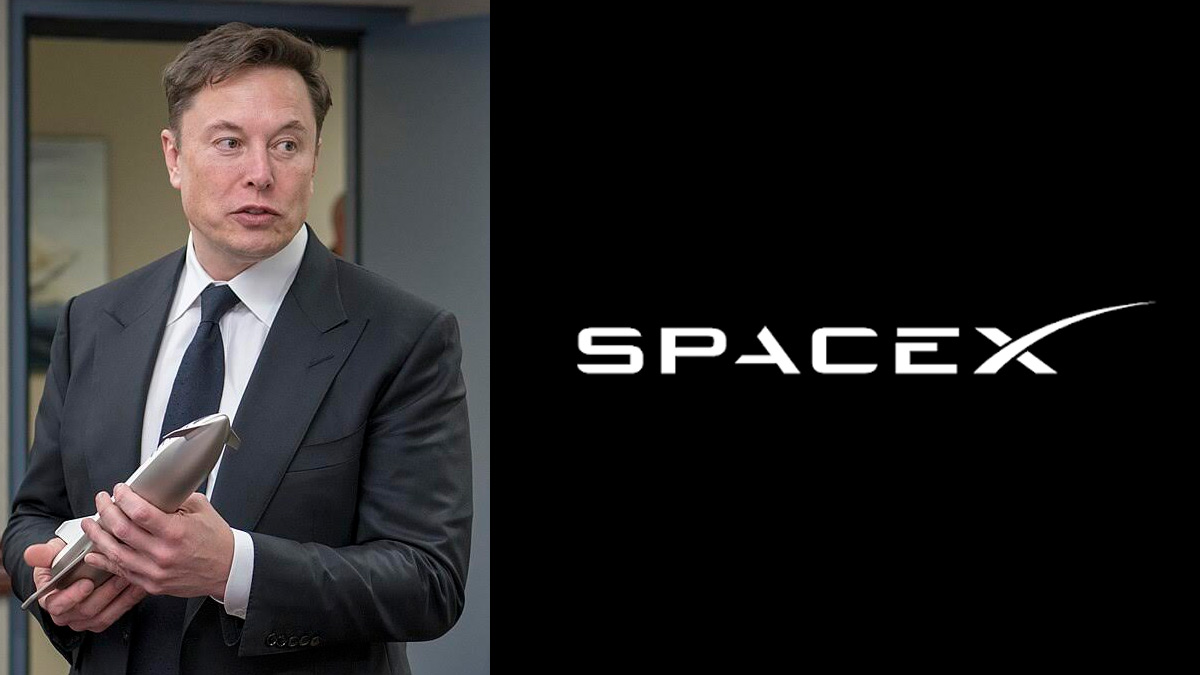
NEW YORK: One giant leap for SpaceX, one giant scramble for Wall Street. The stock market debut of SpaceX on Friday has rewritten several chapters of financial history in a single trading session. The long-awaited listing vaulted the rocket maker and satellite operator into the ranks of the world’s most valuable companies, pushed its market value beyond $2 trillion and propelled founder Elon Musk into uncharted wealth territory.
Trading under the ticker SPCX, the company chose an unconventional route to public markets. Rather than using a traditional IPO price range, SpaceX and lead underwriter Goldman Sachs offered shares at a fixed price of $135, giving investors a straightforward take-it-or-leave-it proposition.
Investors did not hesitate.
Shares opened at $150, an immediate premium of around 11 per cent to the offer price. Buying enthusiasm intensified throughout the session, sending the stock to an intraday high of $176.52 before settling at $160.95. By the closing bell, the shares had gained roughly 19 per cent from their listing price.
The company floated 555.6 million shares and raised an eye-catching $75 billion in fresh capital. Crucially, none of the proceeds went to existing shareholders. Every dollar raised is earmarked for future growth initiatives, making the offering one of the largest capital-raising exercises ever undertaken by a technology company.
The market’s enthusiastic reception left SpaceX with a closing valuation of approximately $2.1 trillion, instantly placing it among the world’s most valuable publicly traded businesses.
For Musk, the listing proved transformative.
Unlike many founders who use an IPO as an opportunity to cash out part of their holdings, Musk did not sell any shares. He continues to own roughly 42 per cent of SpaceX while maintaining around 85 per cent of voting control through a dual-class share structure.
As SpaceX shares surged on debut, his personal fortune crossed the symbolic trillion-dollar threshold. Estimates from wealth trackers put Musk’s net worth at around $1.1 trillion, making him the first person in history to reach that milestone. His sizeable stake in electric vehicle maker Tesla remains a major contributor to that wealth.
Demand for the IPO was extraordinary even by Wall Street standards.
Order books reportedly exceeded $250 billion, more than three times the amount of stock available. Retail investors played an unusually large role. SpaceX reserved between 20 and 30 per cent of the offering for individual investors, a level rarely seen in mega-cap listings.
The response was overwhelming. Retail demand alone surpassed $100 billion, prompting several online brokerages to lower participation barriers in an effort to accommodate the flood of applications.
Institutional investors were equally eager. Asset management giant BlackRock emerged as one of the largest buyers, reportedly seeking at least $5 billion worth of shares.
Investors are betting on far more than rockets.
SpaceX disclosed annual revenue of $18.67 billion, with much of its growth driven by Starlink, its rapidly expanding satellite internet network. Operating in more than 160 countries, Starlink has become one of the strongest examples of a commercially successful space-based infrastructure business.
Yet many analysts believe the company’s most ambitious growth story lies in artificial intelligence.
Following the integration of Musk’s AI venture xAI, including the Grok platform and data assets linked to X, SpaceX has presented Wall Street with a futuristic vision of orbital computing infrastructure.
The merged business, informally dubbed SpaceXAI by investors, is pitching a future in which AI data centres operate in space, reducing dependence on increasingly scarce land, water and power resources on Earth. The concept remains ambitious, but it has become a central pillar of the company’s long-term investment narrative.
The IPO’s impact is already being felt far beyond the trading floor.
Because of its enormous market value, index providers are racing to adjust longstanding rules. The Nasdaq-100 has introduced a fast-track mechanism that could allow SpaceX to join the benchmark within weeks rather than months. Meanwhile, S&P Dow Jones Indices has also relaxed requirements for mega-cap entrants.
The changes matter because passive funds and exchange-traded funds that track these indexes will be required to buy SpaceX shares automatically. As a result, billions of dollars from pension funds, retirement accounts and other long-term savings vehicles could soon flow into the stock.
Not everyone is convinced the celebration should continue unchecked.
Critics point to the company’s heavy spending commitments. While Starlink generates substantial revenue, SpaceX continues to invest aggressively in next-generation projects, including AI infrastructure and the development of Starship technology aimed at future Mars missions.
Questions have also been raised about governance. Musk’s overwhelming voting control leaves public shareholders with limited influence over strategic decisions. The arrangement has attracted criticism from corporate governance advocates and lawmakers, including Elizabeth Warren, who has previously urged the U.S. Securities and Exchange Commission to closely examine the company’s public market structure.
For now, however, investor enthusiasm has drowned out most concerns. SpaceX’s debut was more than an IPO. It was a statement about where markets believe the next era of growth will come from: a blend of space technology, satellite infrastructure and artificial intelligence. Whether that lofty vision ultimately reaches orbit remains to be seen, but Wall Street has already bought its ticket for the ride.






