MAM
Smytten Pulse and Dabur partner for data-driven product development


Mumbai: Smytten Pulse, an AI-led consumer research and insights platform, partnered with Dabur to provide targeted insights. The platform’s consumer research solutions helped Dabur refine its product and market strategy through efficient and extensive consumer research.
Dabur, a consumer goods company, aimed to enhance one of its new product offerings by evaluating consumer feedback in a niche market segment. Through its collaboration with Smytten Pulse, Dabur effectively reached and assessed its market via an authentic respondent base, resulting in high-quality data across product, concept, and communication testing. This enabled data-driven decisions for their new product line.
Using Smytten, an Indian product discovery and trial platform, Smytten Pulse focused on an audience segment that aligned with Dabur’s key demographics. The technology of Smytten Pulse facilitated effective surveying, analysis, and the creation of business recommendations regarding product usage, formulation, and packaging. The consumer feedback and recommendations from the research team supported Dabur in developing marketing strategies for their product line.

Dabur CMI head Vinay Virwani stated on the partnership, “We piloted with Smytten for getting to a niche TG – which they were able to accurately recruit based on their databank of purchase history. This collaboration with Smytten Pulse gave us rich and sharp insights based on actual behaviour – a sharp contrast to traditional claim-based market research methodologies. Their platform has the unique ability of intent base targeting of consumers which allows for more real-life, authentic responses. Beyond the excellent technology, their focus on driving value through sharp insights has solidified our trust in their capabilities. We look forward to them as a vital partner in our journey to market excellence.”
Smytten and Smytten Pulse co-founder Siddhartha Nangia added, “It’s been a rewarding experience to work with Dabur, a brand that sets the standard in the consumer goods industry. As a trusted partner in the brand’s journey towards market excellence, we look forward to strengthening our partnership, driving innovation, and achieving remarkable success together.”
The methodology provided insights into market gaps, consumer preferences, and product performance. By using an agile approach to deliver insights quickly, Smytten Pulse helped Dabur make informed decisions in a competitive market. Smytten Pulse’s strength lies in consolidating marketing activities on one platform, enabling brands and marketers to navigate the market with reliable and cost-effective solutions. The platform offers a range of research solutions, from product testing to communication analysis, enhancing the understanding of consumer behaviors and perceptions.






MAM
Ameya Velankar steps down as Uber’s head of marketing for India & South Asia
Veteran marketer exits after more than seven years with the ride-hailing giant.
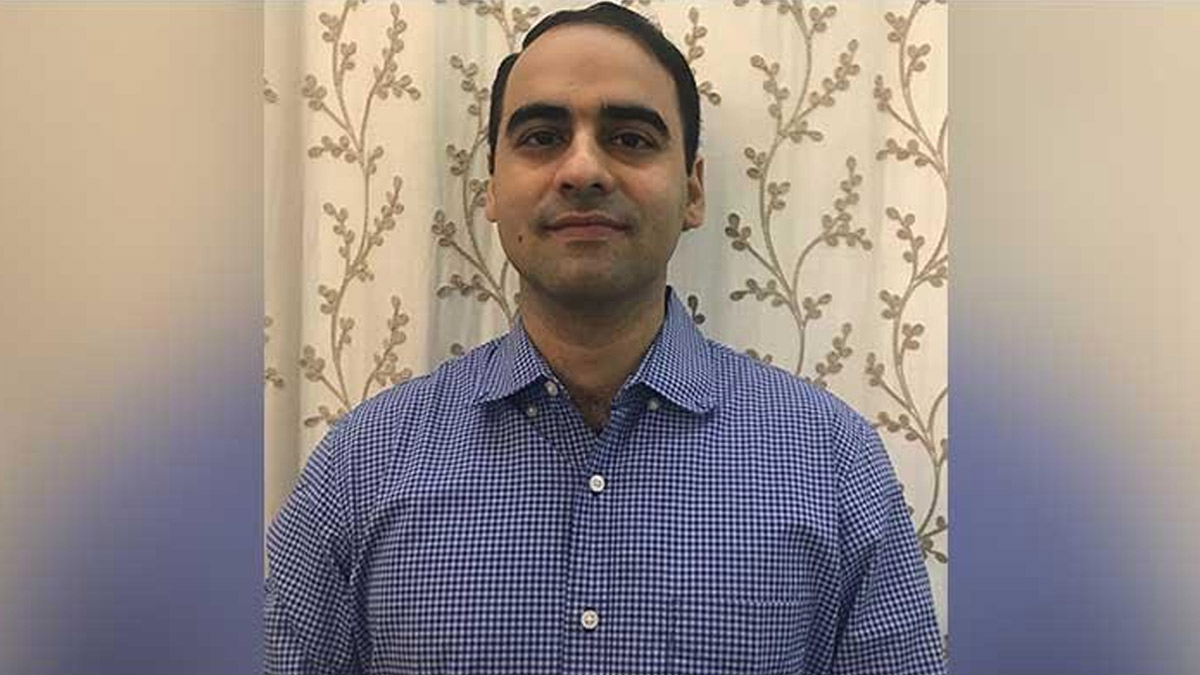
MUMBAI: After more than seven years of steering Uber through the bumpy roads of India’s mobility market, Ameya Velankar has decided to change lanes. Ameya Velankar has stepped down as Head of Marketing for India and South Asia, marking the end of a significant chapter at the ride-hailing company. He had been with Uber since 2019, taking on multiple roles in product and category marketing before rising to lead the marketing function for the region in 2021.
During his tenure, Velankar played a key role in strengthening Uber’s positioning in one of its most competitive and dynamic markets. He helped drive localised marketing strategies and scale adoption across key offerings such as Auto, Moto, Rentals and Intercity, tailoring global platforms to Indian consumer needs.
Prior to joining Uber, Velankar built his marketing expertise at leading consumer companies including SC Johnson and Marico, where he handled category and product leadership roles. His career began at RPG Enterprises.
Details of his next professional move have not been disclosed.
In a fast-evolving mobility landscape where brands constantly battle for attention, Ameya Velankar helped Uber stay relevant and resonant with millions of Indian users. As he moves on from the driver’s seat of marketing, the company will now look for fresh ideas to keep its wheels turning smoothly.






