MAM
Seizing the moment: The power of real-time marketing

Mumbai: Moment marketing has become a game-changer for brands wanting to make a real impact. It’s all about tapping into fleeting cultural moments and trends to connect with audiences on a personal level. When done right, it’s like striking gold—creating experiences that stick with customers and making brands feel genuinely relevant.
The digital age demands agility and responsiveness. Moment marketing thrives on this need for immediacy, leveraging real-time opportunities to craft messages that hit the mark. Consumers today want to engage with brands that stay culturally invested. That’s where moment marketing steps in: it’s about being part of the conversation as it unfolds.
Think of how quickly a viral meme can spread. Brands that jump on these trends with creativity and relevance can make a huge splash. Take Swiggy Instamart, for example. Their funny responses on X (formerly Twitter) have become legendary, making their brand stand out in a sea of corporate sameness. Or consider the recent ‘Barbenheimer’ phenomenon—when the ‘Barbie’ and ‘Oppenheimer’ movies were released on the same day. Many brands jumped on this cultural moment with playful posts and creative campaigns, connecting with audiences in a fun and timely way.
Real-time marketing isn’t just about catching the latest trend; it’s about engaging with your audience in a meaningful way. When brands align themselves with current conversations, they enhance their relatability and reach. This strategy also opens up opportunities for brands to address customer concerns more effectively and promptly, showing a human side that builds trust and empathy.
Take Amul’s ads, for instance. For decades, Amul has been a master of moment marketing, using its witty ads to comment on current events—from major sports events to political happenings – including the recently held Paris Olympics 2024. Their ads not only keep the brand relevant but also engage audiences with clever and timely content.
Such consistent efforts in moment marketing lead to consumers anticipating a brand’s involvement. When a brand consistently demonstrates its responsiveness to cultural and societal events, people begin to expect the brand to weigh in on key moments – which in turn strengthens the brand’s personality and presence in public discourse.
A well-executed moment marketing strategy can significantly amplify a brand’s message, demonstrating responsiveness and strengthening its personality. However, it’s crucial to keep the brand’s core values intact while joining in on cultural conversations. This approach not only sets brands apart from their competitors but also builds a sense of community and drives engaging conversations.
Investing in social listening tools and experimental marketing tactics can help brands capitalize on fleeting hot trends and forge lasting connections with their customers. Marketers today need to be prepared to think on their feet, take risks, and adapt to the dynamic internet culture. With the right approach, moment marketing can transform a brand’s presence and make a lasting impression.
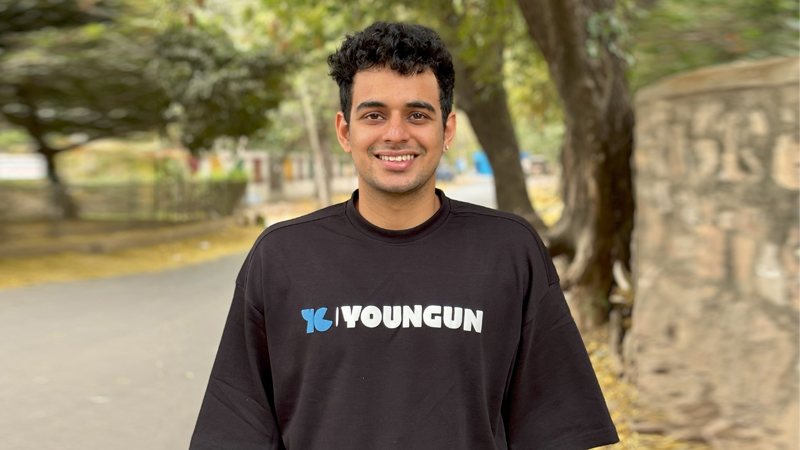
This article has been authored by Youngun founder and CEO Saksham Jadon