Brands
Samsung is India’s most desired brand; Sony TV fourth in the list

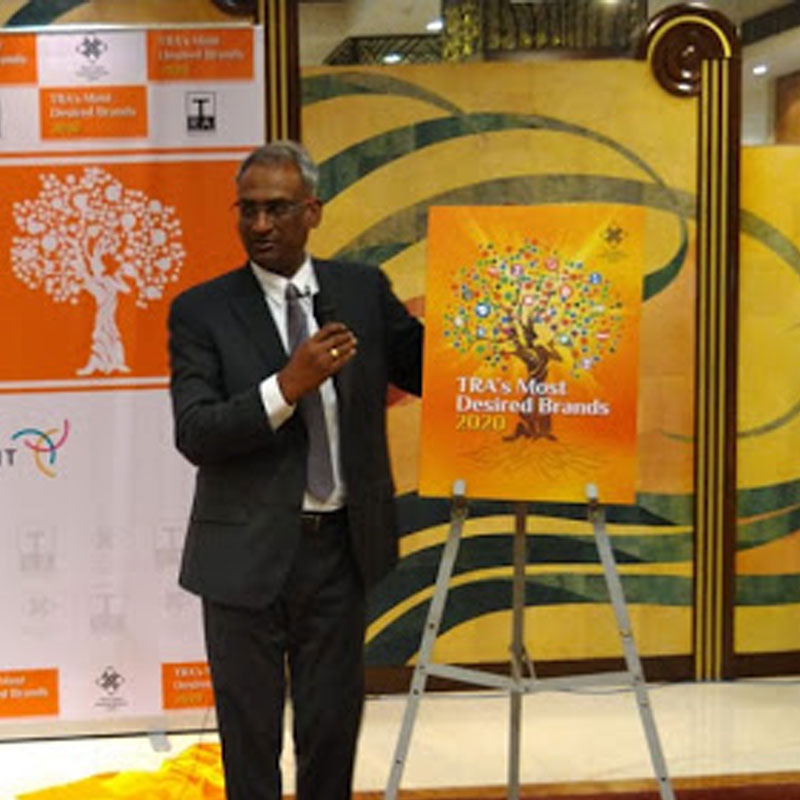
MUMBAI: South Korean mobile brand Samsung has topped the list of TRA’s Most Desired Brands 2020. The next spot is followed by Apple which has moved one rank up as compared to last year. Apple steadily climbed rank from 290 in the year 2015 to now being second.
Samsung has secured its place in the list in 2018, 2015 and 2013 as well, making it a significant leader. Samsung features again at third and seventh rank in the consumer electronics category.
While speaking to indiantelevision.com on what makes Samsung the constant leader TRA Research CEO N Chandramouli said: “Rational, emotional, aspirational and communication appeal are the four most important appeals. Rational is does it fit in a price range, does it have the complex feature that I need. I buy something because there is a logic behind it. Does it have an emotional appeal, does it communicate to you emotionally. Is it giving me a positive flavour. When a brand covers all this aspect in its highest ends only then the consumer sees it. Samsung has been consistent in its service. In a state of tough competition it has reinvented itself. These are the key reasons why Samsung is famous.”
For the first time in history Sony TV, the GEC channel made it to the top 20 list. It made a significant jump from 594 ranks to now securing fourth rank followed by Maruti Suzuki at fifth spot.
Dell, an Austin-based technology company is at sixth position followed by Amul in the seventh spot, Honda Activa accelerated its way to the ninth position and Hyundai in tenth rank. Spanish apparel brand Zara becomes a first-time entrant in the top 20.
Contrary to what people assume that Chinese and Korean brands will dominate the list but the top 100 of the list is dominated by 42 Indian brands followed by 15 American, 12 Japanese, 11 South Korean, six British brands, four German and three Chinese mobile brands.
The top ten highest rank jumpers list includes Godrej Consumer Care at first position followed by Hindustan pencil’s Apsara, sewing machine brand Singer, Reliance Trends, Nirma, Chennai-based apparel brand Pothy’s, Pantaloons, Pizza Hut, Chennai-based soft drink brand Bovonto and Mumbai based real estate brand K Raheja respectively.
F&B category with 159 brands and FMCG with 129 brands makes 28.8 percent of the listing. From salt to software and now fashion to finance, Tata group features 29 brands with ten being category leaders. For starters Tata also owns 49 per cent stake in Zara.
Godrej Group features 11 brands, three category leaders and Amul has nine brands listed with eight brands as category leaders.
On being asked how researches like these helps brands Chandramouli said: “Researches like these tell you about consumer’s mindset. The age of selling is gone, consumers have more information, more knowledge, awareness, money and access as compared to 50 years ago. 60 per cent of the population is now below 30. Brands now have to understand their mindset. When I speak to 90 per cent of the brands they say they cannot understand the consumer. Then what they do is repeat the same old thing which means some of it will work and some of it won’t work. The current market is highly competitive and consumer expectations are changing every minute. Brands need to build better relationship with consumers to understand them and this is where research helps.”
TRA has partnered with Indian Statistical Institute to curate this report. TRA’s most desired brands 2020 lists the top 1000 brands based on the detailed research conducted with nearly 1500 consumer influencers across 14 Indian cities. However, the list includes only urban India to understand brand trust and brand desire among consumers.