MAM
Roadcast and TSL announce transformative logistics partnership in Vietnam

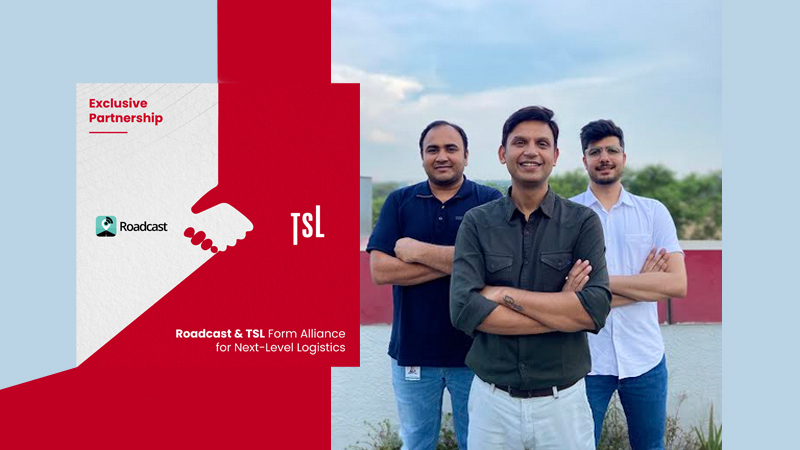
Mumbai: TSL, a leading logistics solutions partner in Vietnam in a groundbreaking collaboration with Roadcast, a technology-driven global logistics solutions provider based in India, will reshape the logistics landscape in Vietnam. United in purpose, this alliance aims to forge a dynamic logistics ecosystem in Vietnam.
With this alliance, the two giants of the logistics sector will bring state-of-the-art technology solutions to the forefront, promising heightened efficiency and transparency. The partnership will double real-time shipment visibility, optimize delivery networks, reduce transit times, and cut operational costs.
A primary focus of this partnership is to elevate the customer experience. Responsive support and tailored logistics solutions will be at the forefront of their efforts. Together, Roadcast and TSL aim to set new industry standards, providing a seamless and efficient logistics experience for their clients in Vietnam.

In addition to this, with a commitment to eco-friendly logistics practices, Roadcast and TSL will work together to reduce their carbon footprint. By exploring sustainable initiatives, they aim to lead the way towards a greener, more responsible logistics industry in Vietnam.
Roadcast co-founder Rahul Mehra, emphasises the transformative potential of this collaboration, “Our technology is designed to revolutionise logistics making it more efficient, streamlined, and advanced. Partnering with TSL allows us to expand our impact in Vietnam.” Roadcast co-founder Vishal Jain added, “By joining forces with TSL, we have a unique opportunity to implement and scale our revolutionary logistics solutions, benefiting both companies and the broader logistics industry in Vietnam.”
TSL, a well-established logistics and supply chain management company, brings a wealth of experience in transportation, warehousing, and distribution services. TSL CEO Huy Tran shared, “This partnership marks an exciting chapter for TSL. This collaboration represents a significant turning point for logistics in Vietnam and holds great promise and potential for their future. Together, we aim to exceed customer expectations and drive positive change in the Vietnamese logistics industry.



MAM
PwC India announces leadership change in Deals practice
Shashank Jain steps down as co-leader after nearly three decades with the firm.
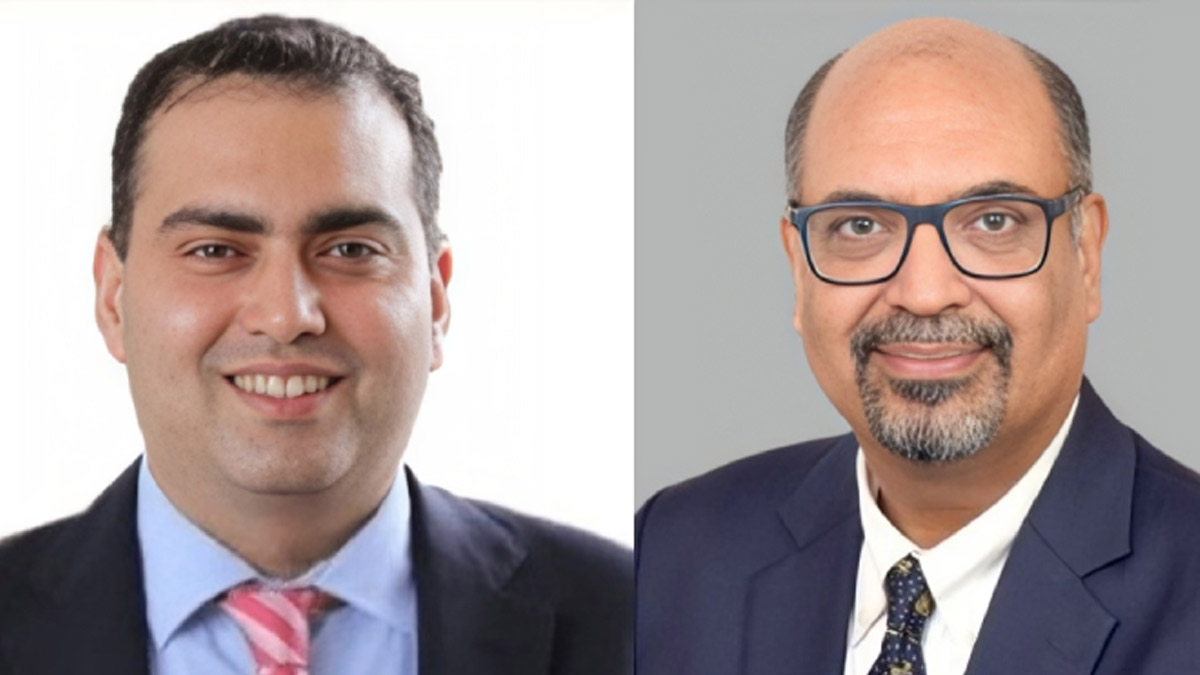
MUMBAI: When one dealmaker steps off the pitch, another is ready to take the baton because in the fast-moving world of transactions, the game never really stops. PwC India has announced a leadership transition in its Deals practice, with Shashank Jain stepping down from his role as co-leader to pursue an opportunity in the industry. The practice will continue to be led by Mohit Chopra, ensuring continuity and sustained growth momentum.
PwC India partner and leader for advisory dinesh Arora paid tribute to Jain’s contributions. “We deeply appreciate the significant contributions made by Shashank over close to three decades he has spent with PwC, particularly his defining role in shaping and strengthening our Transaction Services practice in India,” he said. Arora highlighted Jain’s support for clients through some of the most complex and significant transactions in the Indian market, noting his deep technical expertise, sound judgment and nuanced understanding of the evolving M&A landscape.
The Deals practice remains a key growth driver for PwC India, and the firm expects continued expansion under Mohit Chopra’s leadership. He will continue to guide clients through complex transactions and transformational business moments, building on the strong foundation established over the years.
Reflecting on his journey, Shashank Jain said, “I have had an exceptional journey at PwC. I owe my growth and learning to the nurturing environment and leadership development that PwC provided.” He added that he had been working closely with Mohit and the larger team to ensure a smooth transition and expressed confidence that Chopra would take the Deals practice to newer heights.
From intern to respected deals leader, Shashank Jain has clearly closed many successful transactions and now, it seems, he’s ready to strike a new deal of his own.