MAM
RBI tightens rules on financial ads, puts brands on the hook
New framework makes banks and NBFCs accountable for influencers and agents.


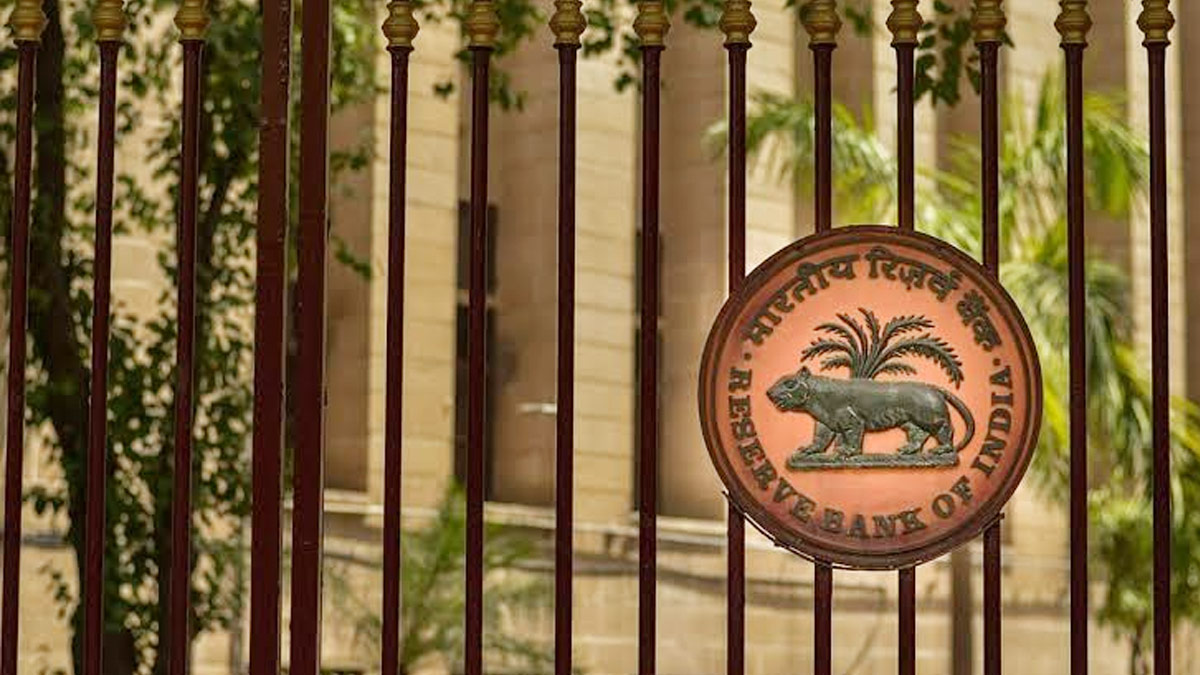
MUMBAI: The disclaimer is no longer enough, the RBI wants the advertiser to own the message too. India’s financial watchdog has drawn a sharper line between promotion and responsibility. The Reserve Bank of India (RBI) has unveiled a sweeping framework governing the advertising, marketing and sale of financial products, making regulated entities directly accountable for every claim made on their behalf, whether by employees, agents or even social media influencers.
The new directions introduce a principle-based, channel-agnostic framework that applies across traditional and digital platforms, reflecting the rapidly evolving ways financial products are marketed to consumers.
Under the rules, commercial banks, small finance banks, payment banks, regional rural banks, cooperative banks, housing finance companies, non-banking financial companies (NBFCs) and All India Financial Institutions will be responsible for all advertising and customer acquisition activities conducted directly or through third parties.
Perhaps the most significant shift lies in the RBI’s treatment of digital marketing ecosystems. Influencers, affiliates, Lending Service Providers (LSPs) and other online promotional partners will now fall within the broader category of Direct Selling Agents (DSAs) and Direct Marketing Agents (DMAs). In practical terms, that means financial institutions can no longer distance themselves from misleading claims or questionable marketing practices carried out by external partners.
The move comes amid growing scrutiny of influencer-led financial promotions, where complex investment and lending products are increasingly marketed through short-form videos, affiliate campaigns and social media endorsements.
The RBI said regulated entities would need to review and potentially overhaul internal systems, customer journeys, user-interface designs and contractual arrangements with marketing partners to comply with the new framework.
The central bank first floated the proposed amendments on February 11, 2026, inviting feedback from industry stakeholders before finalising the guidelines. To give institutions time to adapt, the framework will come into effect on January 1, 2027.
While the directions do not ban influencer marketing or outsourced customer acquisition, they make one thing clear, accountability cannot be outsourced.
The new rules signal a broader regulatory shift towards consumer protection in an increasingly digital financial marketplace. As banks and fintech players compete aggressively for customers online, the RBI is effectively reminding the industry that flashy campaigns may win attention, but responsibility for the message always rests with the brand behind it.
For India’s financial sector, the era of “not our ad, not our problem” appears to be coming to an end.