Brands
Rays to riches as Sunfeast Marie Light adds a dose of vitamin D

MUMBAI: In Odisha, the Sun has always risen as more than just a star, it’s sentiment, ritual and reassurance. From the Konark Sun Temple to everyday morning prayers, sunlight carries cultural weight across the state. But while reverence for the Sun remains strong, modern lifestyles have quietly dimmed one of its biggest health benefits. Limited outdoor time and few natural dietary sources have pushed Vitamin D deficiency into the spotlight, with studies indicating that nearly 39 percent of East India faces low Vitamin D levels.
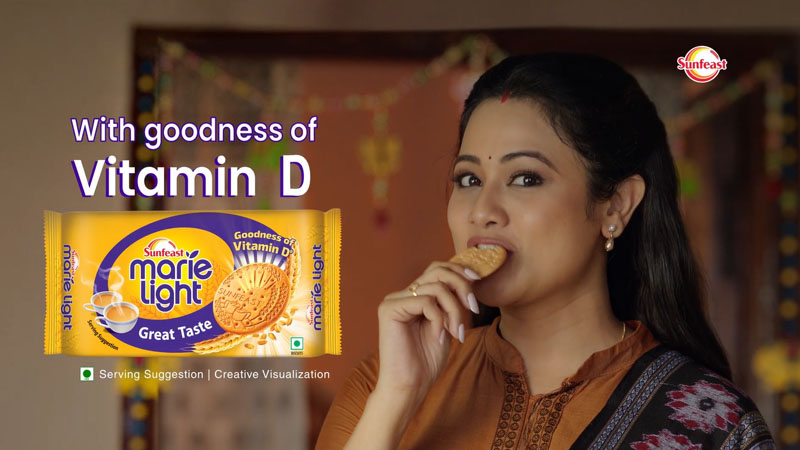
Against this backdrop, ITC has rolled out Sunfeast Marie Light with Vitamin D, extending its popular biscuit portfolio with a nutritional upgrade. The brand retains its familiar, light taste while offering consumers an added source of Vitamin D through an everyday food habit without asking them to change routines.
The launch is rooted in regional insight. By linking the product to Odisha’s enduring relationship with sunlight, Sunfeast positions the biscuit as both culturally resonant and functionally relevant, responding to evolving health needs without straying from familiarity.
Supporting the launch is a new television commercial conceptualised by FCB, built around a simple, evocative family moment. The film shows a child playfully trying to “catch” sunlight in a glass jar, before gently revealing that Sunfeast Marie Light now carries Vitamin D too while keeping its much-loved taste intact. The storytelling leans on warmth and relatability rather than overt health claims.
Commenting on the launch, ITC vice president and head of marketing for biscuits, foods division Suraj Kathuria said the brand has long drawn inspiration from the Sun’s symbolism. “We’re strengthening that connection by bringing essential nutrition into a format people already enjoy every day,” he noted, adding that the move aligns with ITC’s broader Help India Eat Better vision.
Sunfeast Marie Light with Vitamin D is currently available across Odisha and will be expanded across other eastern markets in phases. As food brands increasingly blend nutrition with cultural storytelling, ITC’s latest launch shows how a daily biscuit is being positioned to deliver a little more sunshine, one bite at a time.