Brands
Quest Retail shakes up leadership: Malhotra rises, Shanker takes charge

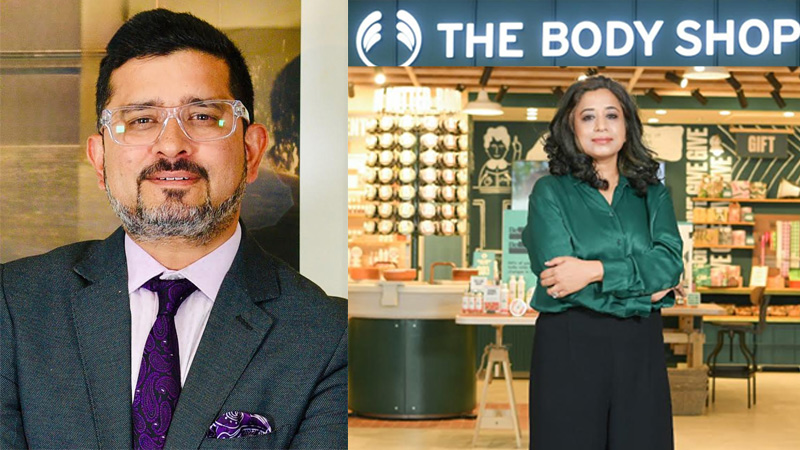
MUMBAI: Quest Retail, India’s leading beauty-focused specialty retailer, is shaking things up at the top! In a bold leadership move, the company has promoted Shriti Malhotra to executive chair while bringing in seasoned industry leader Rahul Shanker as group CEO to spearhead its next ambitious expansion phase.
From luxury skincare to cutting-edge cosmetics, Quest Retail has built a powerhouse portfolio, housing global brands like The Body Shop, Kiehl’s, Avon, Kylie Cosmetics, Anastasia Beverly Hills, Max Factor, Boddess, The Honest Tree, and more. Now, with Shanker at the helm, the company is gearing up for a bigger, bolder, and more digitally savvy future.
After a transformational stint as group CEO, Malhotra steps into her new role as executive chair, where she will focus on long-term strategic planning and corporate vision. Over the years, she has redefined India’s beauty retail landscape, pioneering innovative concepts and expanding Quest Retail’s influence across the country.
Malhotra’s journey in retail has been nothing short of legendary. With nearly three decades of experience, she has been instrumental in shaping global brands like Benetton, Nike, and Puma in India. But her biggest feat? Bringing The Body Shop to India and making it a household name in beauty and personal care. Talk about a glow-up!
Reflecting on this transition, Malhotra shared, “A company’s true strength lies in the passion of its people, and leading Quest Retail has been an incredible journey. Rahul’s expertise in scaling businesses and driving innovation makes him the perfect leader to take Quest Retail to its next big milestone.”
Stepping into the group CEO role, Shanker is no stranger to steering consumer brands to success. With nearly 27 years of experience across PepsiCo, Wrigley-Mars, Philips, Avon, and Modicare, he brings an arsenal of expertise in FMCG, personal care, and health & wellness.
Shanker’s mission? Scale Quest Retail’s operations, supercharge omnichannel strategies, and reimagine the customer experience. His leadership will focus on enhancing operational efficiency, embracing digital innovation, and tapping into new markets to fuel growth.
Excited about the journey ahead, Shanker remarked, “Joining Quest Retail at such a high-growth phase is incredibly exciting. The company has a stellar portfolio, a strong omnichannel presence, and an ever-evolving vision. My goal is to take Quest Retail to new heights by creating an unmatched shopping experience for our customers and a thriving environment for our brands.”
With a dynamic leadership duo in place, Quest Retail is set to expand its footprint, push digital boundaries, and elevate beauty retail in India. As the company gears up for its next evolution, one thing is certain—the future is bold, beautiful, and built for success.