MAM
Publicis India appoints Nishant Jethi as ECD
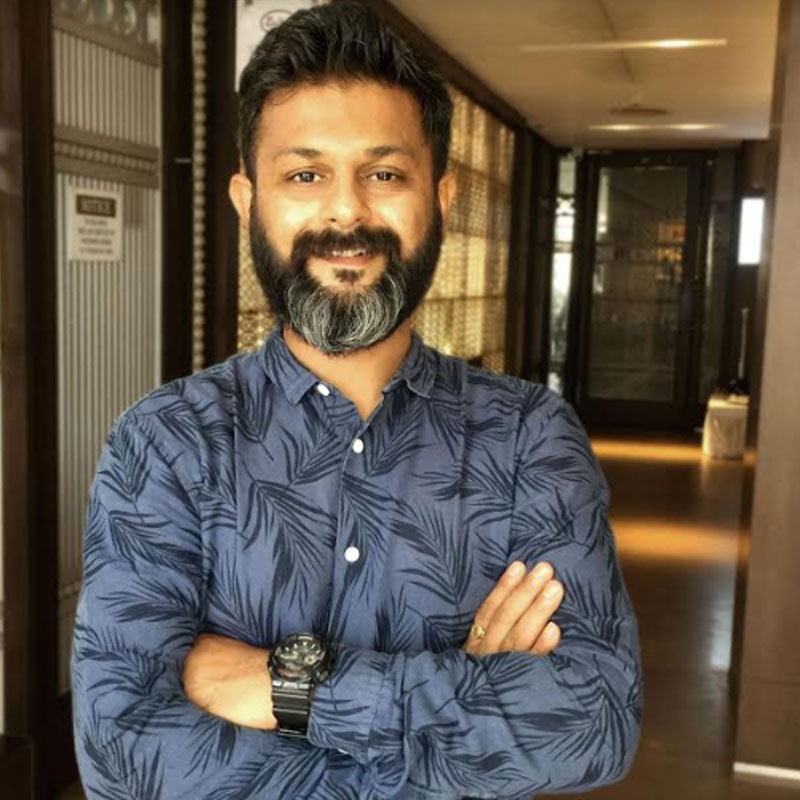
MUMBAI: Publicis India today announced Nishant Jethi as its new executive creative director. Jethi, who will report to the company’s MD and COO Bobby Pawar, was a senior creative director at Ogilvy and Mather.
Based out of Mumbai, Jethi will be responsible for not only raising the creative bar but also overlooking art and enhancing the work culture.
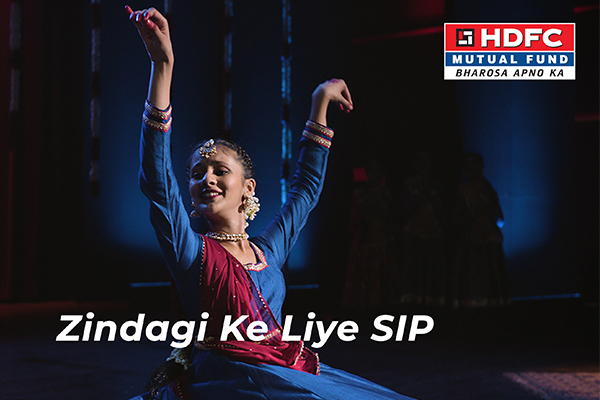
His appointment is in line with the agency’s mandate to strengthen its creative function across various divisions given the influx of work from multiple brands like ZEE, Citibank, HDFC MF, Skoda, Nerolac, Bharti AXA etc. He will work alongside Ramakrishnan Hariharan, who had recently joined the agency as head of creative.
Publicis India COO Bobby Pawar said, “Nishant is probably the sanest crazy man I’ve met. Beneath his rather sedate appearance lies a mind that zips along strange paths. His unique way to seeing things, great sense of design, a passion for making things with his own hands will help us elevate our game even more. The last time we worked together the agency we were at rocked. This time should be no different.”
Publicis India MD Srija Chatterjee said, “The creative function at the agency is being repurposed to cater to the growing demands of Clients that are looking at integrated offerings in an innovative & real-time basis. We have been churning out some really great work in the past few months that are creating meaningful conversations in the marketplace and also aiding brands achieve their desired objective. Having resources like Nishant Jethi into our fold will only amplify the quality of our offering and put us on a higher pedestal to keep delivering more.”
In a career spanning over 13 years, Jethi has worked with several leading agencies with an aim to create memorable pieces of work that strike an emotional chord with the audiences. At his best, Jethi has delivered award winning work for clients like Savlon, JSW Cement, Amazon-Kindle/Firestick/Echo, Dove etc.
Prior to his Ogilvy stint, Jethi worked an associate creative director at DDB Mudra and Leo Burnett as art director. His body of work includes working on diverse brands like Radio City, Bajaj Electronics, ITC Hotels, Reliance MF, Bank of Baroda, Big Bazaar, Inorbit among others.
Commenting on his new role Publicis India, Jethi said, “Publicis India has done some remarkable work in the past and it feels great to be a part of this intrinsic culture. I am thrilled to work with Bobby Pawar along with Ramakrishnan Hariharan, since I have worked closely with both of them before, and together I believe we can achieve new heights. I am happy with the team and clientele, and feel super charged for the journey ahead.”
Apart from work, Jethi uses his expertise to create meaningful work in the realm of arts and design. He is adept at creating hand-crafted wooden toys, as the design process of making them involves conceptualising, sketching, wood cutting, painting skills that come naturally to him.

Brands
Creative Intelligence: Using AI to Predict Which Ads Will Actually Convert
Priyanka Aeron, Director & Co-founder of Thrive Global AI
MUMBAI: In a heavily populated digital landscape, simply being creative with your advertising will not guarantee that your ad will be successful. In fact, brands today are producing more content than ever. However, very little of that results in actual engagement or sales. However, Creative Intelligence, powered by AI, is fundamentally transforming the advertising industry.
Creative Intelligence utilizes data, machine learning, and statistical behavioral insights to analyze and predict how well a creative asset will perform prior to it being published. Therefore, marketers no longer have to rely on either their gut instincts or post-campaign analytics for making informed decisions before production. That said, AI-powered creative intelligence greatly improves results and decreases wasted dollars spent.
Moving Beyond Guesswork
In the past, making ads was a mix of gut feeling, experience, and A/B testing. These methods were useful, but reactive by nature. People have already spent their budgets by the time the results are looked at. AI models can find patterns that are linked to higher engagement and conversion rates by looking at huge datasets. These datasets can include things like past campaign performance, audience behavior, and visual elements like color, composition, and facial expressions. This helps marketers guess which ads will do well even before they go live.
Decoding What Truly Drives Conversions
AI-powered creative intelligence allows for an evaluation of advertisements that is not limited to the basic data but also explores the elements of an effective advertisement through subtle reactions; clarity and directness of the ad message and how well the ad captures audience’s attention in the first three seconds. AI can also provide insights into the successful use of advertisements directed to human faces, which connect through eye contact based on media channels, and how advertisements that utilize shorter but clear calls to action may produce more clicks from certain populations. The insights, provided through AI, provide marketers with the ability to think beyond creating more advertising material and additionally create more effective ad campaigns that actually convert.
Personalization at Scale
Consumers expect relevance more than ever. Irrelevant mass messaging is not going to work in a society inundated with information. Hyper-personalization, using AI, allows companies to create content that suits individual segments within their target markets based on their demographics, interests, and behaviors. Rather than having one single message that aims to reach everyone, brands can have many versions of their messages tailored to each segment within the market. Such flexibility is what makes campaigns successful nowadays.
Faster Iteration, Better Results
Another advantage to using AI in creative decision-making is speed. Companies must improvise because their campaign cycles are shorter than ever before, and having the ability to iterate rapidly is more important than it has ever been. There is no greater way to do this work than through AI, as new technologies give brands the ability to test multiple creative avenues and figure out which ones are working well. This reduces a lot of the testing that companies would otherwise have to do and makes the process faster.
With AI, brands can also make creative changes in real-time during a campaign, allowing the, to make vital decisions and adjust their creatives, rather than waiting out. This allows for faster adaptability, well-tested campaigns and reduced lost ad spend.
The Human-AI Collaboration
Even though AI is capable of performing certain tasks, its purpose is not to eliminate human creativity. Successful campaigns require human collaboration with computer intellect since both complement each other. While computers are capable of dealing with massive amounts of information, discovering patterns, and providing predictions, humans are the one to inject stories and emotions into campaigns.
The Future of Advertising
As the complexity of advertising becomes harder with the passage of time, Creative Intelligence will play a significant role in helping marketers formulate a strategic approach. The yardstick that will set standards for determining whether a marketing firm has fulfilled its responsibilities will be the forecasting of future outcomes, as well as personalized content and optimization of creative elements in real-time. In contrast to the existing scenario where the campaigns remain fixed, these campaigns will be capable of adjusting themselves according to the customer interacting with the brand, as well as other trends on social media channels. This will enable brands to offer customers an engaging experience that will exceed expectations. The biggest hurdle marketers will face will be finding ways to utilize these capabilities without compromising branding and enhancing the creativity of the team involved.