MAM
Paytm serves up puchka stalls for Durga Puja celebrations
The QR payment brand is setting up stalls near popular pandals and Bengali neighbourhoods across Kolkata, Delhi NCR and Bengaluru


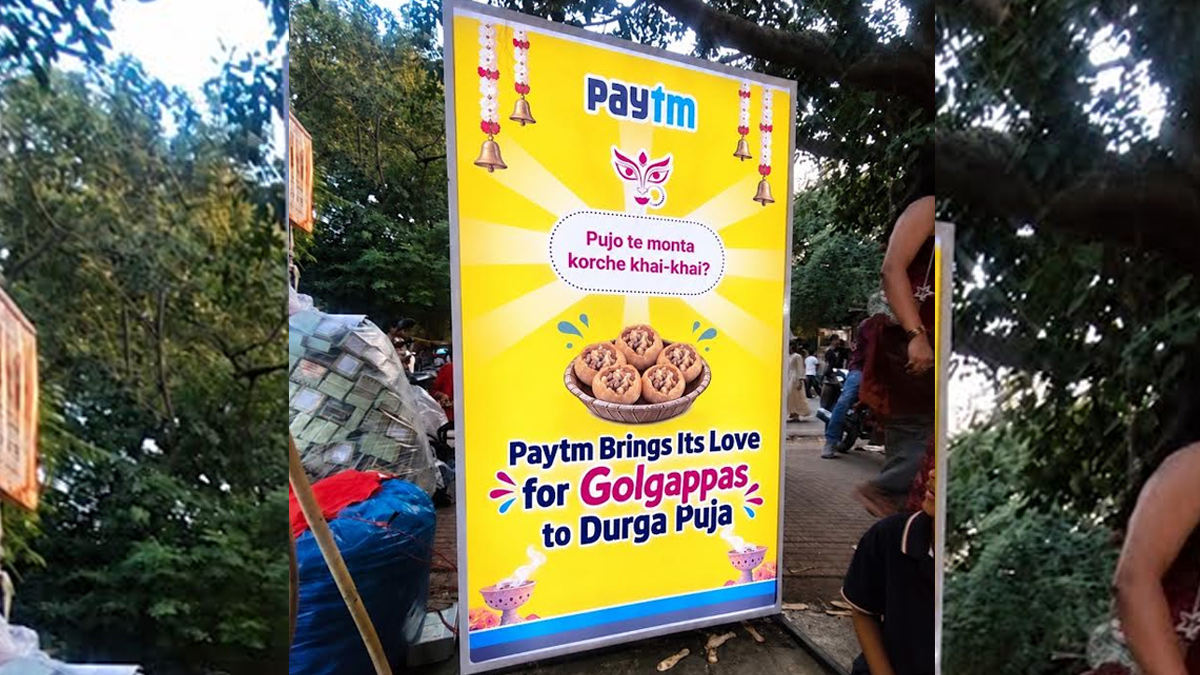
MUMBAI: This Durga Puja, Paytm is hoping its marketing strategy packs a little more punch than the usual pandal banners. The digital payments company is taking its pitch to the streets with puchka stalls, tapping into one of Bengal’s favourite festive rituals to bring its QR payments closer to consumers.
The company is setting up stalls near popular pandals and Bengali neighbourhoods across Kolkata, Delhi NCR and Bengaluru, where visitors can tuck into the much-loved street snack and pay using Paytm QR. Rather than relying solely on the familiar festive advertising playbook of sponsorships, banners and brand displays, the initiative places the brand within an experience that people already associate with the celebrations.
The choice of snack is no coincidence. Puchka, known as golgappa in parts of north India and pani puri elsewhere, is a street-food favourite that cuts across age groups and regions. In Kolkata, it is practically part of the pandal-hopping itinerary, offering revellers a quick, flavour-packed pit stop between visits to elaborately decorated pandals.
For Paytm, the idea also carries a familiar association. Founder Vijay Shekhar Sharma has previously drawn attention for his connection with golgappas, giving the snack an added link to the brand. This year’s puchka initiative brings that association into the Durga Puja setting, with the payment platform aiming to turn a popular food stop into an everyday brand interaction.
The timing matters. Durga Puja is not simply a calendar event for Bengali communities; it is a celebration built around traditions, social gatherings and shared experiences. New clothes, evenings with friends and family, pandal hopping and visits to favourite food stalls all form part of the festive routine. Puchka fits naturally into that mix, making it a familiar draw rather than an activity created specifically for a marketing campaign.
That familiarity could be particularly useful beyond Kolkata. For Bengali communities in Delhi NCR and Bengaluru, the stalls offer a taste of a tradition closely associated with home, while giving Paytm a way to connect with consumers through a cultural touchpoint. The initiative also gives the brand visibility in places where people are already gathering, rather than asking them to make a separate detour for a promotional activity.
The payment element is deliberately straightforward. Visitors enjoy a plate of puchka and scan a Paytm QR code to pay, combining a familiar street-food transaction with a digital payment option. It is a small interaction, but one that places the brand directly in the moment of consumption instead of leaving it on the sidelines as a sponsor.
The approach reflects a wider challenge for festive marketers: standing out when brands compete for attention across pandals, public spaces, digital platforms and retail outlets. Conventional advertising can deliver visibility, but campaigns rooted in local customs have the potential to feel more relevant because they become part of how people celebrate.
For Paytm, the puchka stalls offer a way to make digital payments part of a spontaneous, everyday experience. The strategy shifts the focus from simply being seen during Durga Puja to participating in a ritual that consumers already enjoy. Whether that translates into a measurable increase in transactions or lasting brand recall is not clear from the details available, but the campaign puts cultural familiarity at the centre of its approach.
In a season when brands are looking to make their presence felt, Paytm is betting that a plate of puchka can do more than another banner. After all, a festive message may catch the eye, but a good snack paid for with a quick scan could give people a more memorable reason to engage with the brand.






