Brands
Oleev Kitchen expands portfolio with new multigrain pasta range

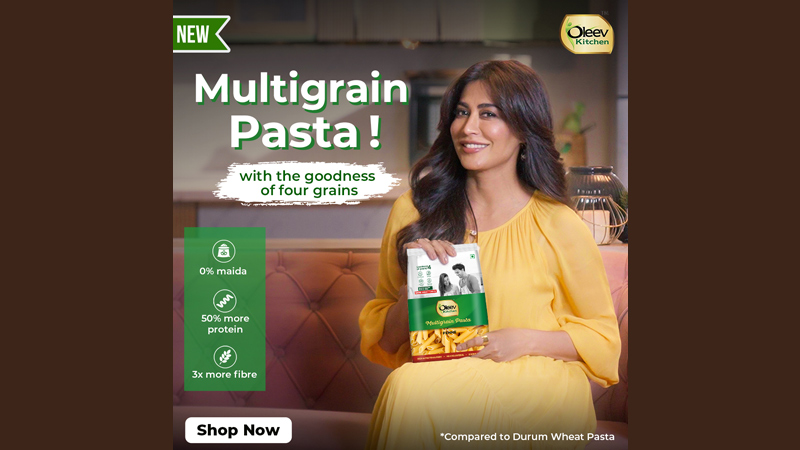
Mumbai: Modi Naturals Ltd, known for its multisource cooking oils and olive oils, is expanding its portfolio with a new pasta range under the Oleev Kitchen brand. The company aims to enter the multi-grain pasta market by offering high-protein and fiber-rich options that maintain good taste.
Pasta being a staple now in most households across the country, the new multigrain pasta strengthens the brand’s foothold in the health-conscious and nutritious food products category. Combining the goodness of four grains – Chickpea, Jowar, Brown rice and Durum Wheat, Oleev kitchen multigrain pasta becomes the perfect choice for health-conscious customers looking for healthier alternatives to traditional pasta.
Commenting on the launch, Modi Naturals Ltd MD Akshay Modi said, “Oleev Kitchen has always been committed to providing healthy and flavorful food choices.” He further added, “There is a general perception among consumers, that something which is healthier or made using multi-grains would not be tasty, however through our dedicated R&D, we have successfully developed a pasta that combines the benefits of multiple grains whilst delivering the same taste and texture. We are confident that this pasta will resonate with health-conscious consumers who refuse to compromise on taste.”
Oleev has roped in actress Chitrangda Singh for the digital campaign that focuses on healthy eating. The admired actress, known for her commitment to a well-balanced lifestyle, perfectly embodies the spirit of Oleev Kitchen. With her inspiring journey and influence, Chitrangada’s partnership with Oleev Kitchen is poised to elevate the brand’s mission of providing clean & healthy eating. Further endearing their innovative products, like the new multigrain pasta, to those seeking a healthier lifestyle.
It is currently available on Amazon and the brand’s D2C website (www.modiretail.com) under two SKUs – multigrain macaroni 400gms and multigrain penne 400 gms. The brand also has other variants as part of their “Zero Maida” pasta portfolio such as penne, fusilli, spaghetti and macaroni.
Oleev Kitchen has always been committed to providing healthy and tasty food options, but with its foray into multigrain pasta, it aims to take its pasta portfolio to the next level.
This partnership between Oleev Kitchen multigrain pasta and Chitrangda seeks to encourage healthier cooking choices without compromising on taste.