Brands
Ola goes the distance as Roadster X+ gets green light for 500 km rides

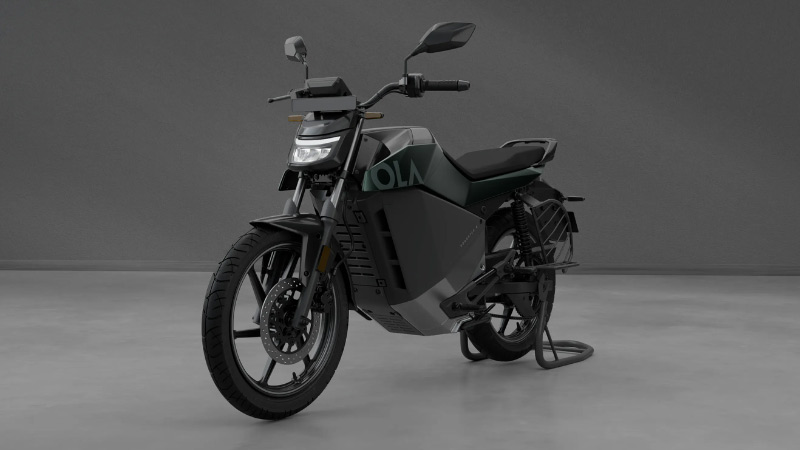
MUMBAI: Range anxiety just met its match. Ola Electric has shifted the electric motorcycling conversation up a gear after its flagship Roadster X+ (9.1 kWh) received regulatory approval, clearing the way for deliveries of a bike that promises to go farther than any electric motorcycle in India so far.
The certification, granted under the Central Motor Vehicle Rules (CMVR), 1989 by the International Centre for Automotive Technology, makes the Roadster X+ the first electric motorcycle in the country to be approved with a completely in-house developed 4680 Bharat Cell battery pack.
With a claimed industry-leading range of up to 500 km, the Roadster X+ is designed to push electric riding beyond city limits. Powered by Ola Electric’s homegrown 4680 Bharat Cell technology, the motorcycle combines high energy density with improved thermal performance, making longer inter-city and highway rides more practical especially in Tier 2 and Tier 3 markets where charging infrastructure remains sparse.
An Ola Electric spokesperson described the certification as a defining milestone in the company’s vertical integration journey, noting that the Roadster X+ delivers “unmatched range along with superior performance, safety and reliability,” all built on indigenously developed cell and battery technology.
The approval follows rigorous vehicle-level testing, including constructional and functional safety, range validation, gradeability, braking, noise and electromagnetic compatibility, as mandated by the Ministry of Road Transport and Highways for battery-operated vehicles.
In parallel, the 9.1 kWh battery pack built using Ola’s 4680 Bharat Cells has also secured certification from the Automotive Research Association of India under AIS-156 Amendment 4. The pack successfully cleared demanding safety benchmarks, including water immersion, thermal runaway and fire tests, vibration and mechanical shock assessments.
With this clearance, Ola Electric has now extended the use of its 4680 Bharat Cell platform across its two-wheeler portfolio, covering both scooters and motorcycles, and laying the groundwork for future products such as Ola Shakti.
As India’s motorcycle-heavy market looks for credible electric alternatives that can match petrol bikes on range and reliability, the Roadster X+ marks a significant step suggesting that long-distance electric riding may no longer be a leap of faith, but a certified reality.