MAM
No Pulse, no life: Candymaker resumes conversation with consumers

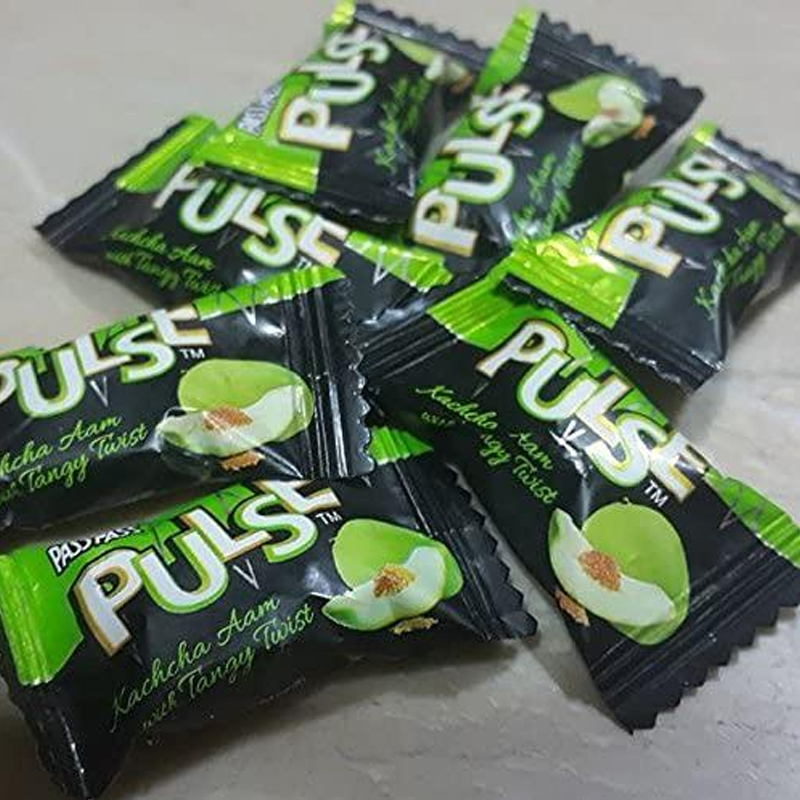
NEW DELHI: DS Group-owned Pulse Candy was introduced in 2015 and it immediately became a rage – people couldn’t get enough of the super sour, piquant taste. On most occasions, consumers preferred to buy loose candies, but in this case they were keen on purchasing the entire box. The brand grew like an addiction, so much so that it ended up achieving Rs 100 crore sales in a matter of eight months. Since then, the launch of Pulse Candy has been known as one of the biggest success stories in the hard-boiled candy category, which is currently growing at a rate of 12-16 per cent. For the record, India’s overall candy category is around Rs 6,000 crore growing at a CAGR of six to nine per cent. The brand clocked sales of nearly Rs 300 crore in the first two years.
The core idea behind the launch Pulse candy was that the makers identified a gap in the category. They found that kaccha aam was a preferred flavour among the audiences but traditionally it was consumed with spices to make it tangy. However, no other candy brand was offering this combination to the audiences and hence the brand decided to go for an innovation.
The kaccha aam-flavoured candy initially grew on the back of word-of-the mouth campaign, and after a massive increase in demand, the brand launched its first major advertising campaign. The core positioning of the brand is ‘Praan Jaaye par Pulse Na Jaaye’ that aims to poke fun and make people laugh. Over the last three years, it has released several campaigns that show slapstick situations and brings a smile to consumers’ faces in less than 30 seconds.
The initial campaign was aimed at reflecting the ‘irresistibility’ or the obsessive love people have for Pulse candy. The tag line kind of reflected that love and positioned the candy accordingly in the minds of the people.
The candymaker’s last big splash was in early 2019 when it released two films Classroom and Dangal.
After a gap of over a year, Pulse Candy has released a TV campaign. This time, the brand has done away with actors and is using stick figure characters in the spots. The campaign has been launched with two films, titled The Husband-Wife and Recycle Bin. The stick figures are named Wifey, Hubby, Sticky and Micky.
Designed and conceptualised by Wunderman Thompson, the film aims to capture the extent to which the stick figures or the Pulse fans will go for the enticing taste of Pulse candy.
The first one captures the banter between a husband and wife; the second one is altogether a different take between two stick figure friends pulling a fast one on each other inside a computer screen. The set-up of the second film also makes you slightly nostalgic as it takes you back to the early days of Microsoft Windows with a similar screen, Recycle Bin and VLC player icons (name changed to WLC in the film).
DS Confectionary Products joint general manager- marketing Arvind Kumar said, “The brand must keep re-inventing execution themes to retain the excitement around the proposition of Pran Jaaye Par Pulse Na Jaaye. We have done some captivating campaigns in the past and the current campaign brings in a new and exciting style of content with stick figures, to fortify the alluring magnetism of Pulse in an amusing and entertaining way.”
Wunderman Thompson executive creative director Sundeep Sehgal said, “Pulse stands for joy and uniqueness, the irresistibility of Pulse lends itself to this unique proposition. We wanted to make simple, short, and share-worthy stories and stick figures give an exciting take to our narrative.”
The campaign is amplified on the social page of the brand that commands a million-member-strong community. The brand continues to engage with its audiences via social media platforms using moment marketing, contests, videos and content formats.
Pulse Candy was initially launched as a test project in the states of Rajasthan and UP and after its success, the brand was expanded to pan-India. It has grown massively in the last four years on the back of a strong distribution network. DS Group has also taken Pulse beyond the Indian shores. The brand continues to sell it at a price point of Re 1. It competes with the likes of Parle and several other regional and national players.