
MAM
Nidhi Chhibber appointed interim CEO of NITI Aayog
1994-batch IAS officer gets additional charge after B.V.R. Subrahmanyam’s exit on 24 February 2026.


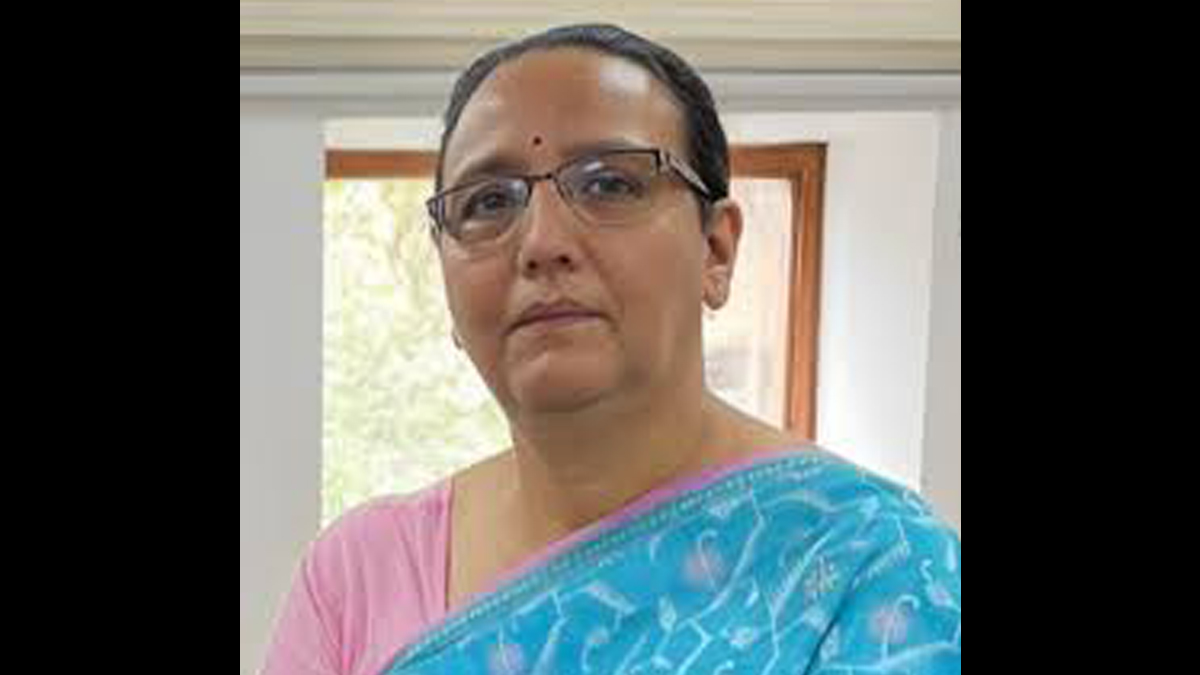
MUMBAI: NITI Aayog just got a steady hand at the wheel because when policy think tanks need direction, sometimes the best navigator is already in the back seat. The Centre has named 1994-batch Chhattisgarh cadre IAS officer Nidhi Chhibber as interim chief executive officer of NITI Aayog with immediate effect, following the completion of B.V.R. Subrahmanyam’s tenure on 24 February 2026. An Appointments Committee of the Cabinet order assigns her additional charge of the role until a regular incumbent is appointed or until further orders, whichever comes first.
Chhibber, currently director general of NITI Aayog’s Development Monitoring and Evaluation Office (DMEO), brings deep familiarity with the think tank’s workings. DMEO serves as the institution’s evaluation arm, conducting third-party assessments, strengthening outcome-based governance, and helping ministries refine flagship programme delivery.
Her career spans senior administrative and policy roles across central and state governments. She previously chaired the Central Board of Secondary Education (CBSE) in 2022, oversaw key reforms as additional secretary at NITI Aayog, and had a brief stint as officer on special duty in the Ministry of Food Processing Industries in April 2025 (later cancelled when she returned to the think tank).
NITI Aayog, established in 2015 to replace the Planning Commission, acts as India’s apex public policy body fostering cooperative federalism, crafting long-term development strategies, monitoring major schemes, and coordinating between Centre and states. The CEO drives policy formulation, oversees sectoral verticals, and aligns reform priorities with national goals.
The interim arrangement ensures continuity at a time when multiple long-term reform and monitoring initiatives are under way. For an institution that shapes India’s development roadmap, Chhibber’s appointment keeps the engine running smoothly proving that sometimes the best way to steer policy is to promote the person who already knows every turn in the road.






