Brands
Maruti Suzuki, Ola tie up to train drivers

MUMBAI: Maruti Suzuki India has signed a memorandum of understanding (MoU) with Ola to train aspiring drivers-partners. Under the ‘Maruti Ola Training Program,’ the company aims at benefiting 40,000 Ola partner-drivers in safe driving, over a period of three years.
Maruti Suzuki and Ola partnership will create entrepreneurship opportunities for aspiring drivers¬ partners as well as make urban transportation safe, reliable and convenient. The pilot phase of the initiative will be rolled out in Bangalore, Hyderabad, Chennai and in NCR. The driving training programme will be gradually rolled out in Mumbai, Ahmedabad and Pune.
Ola, as a technology platform will help create opportunities for these trained drivers by giving them access to infrastructure, financing and continuous revenue. Over the last 5 years, Ola has been successful in on-boarding over 5 lakh skilled driver-partners onto its platform.

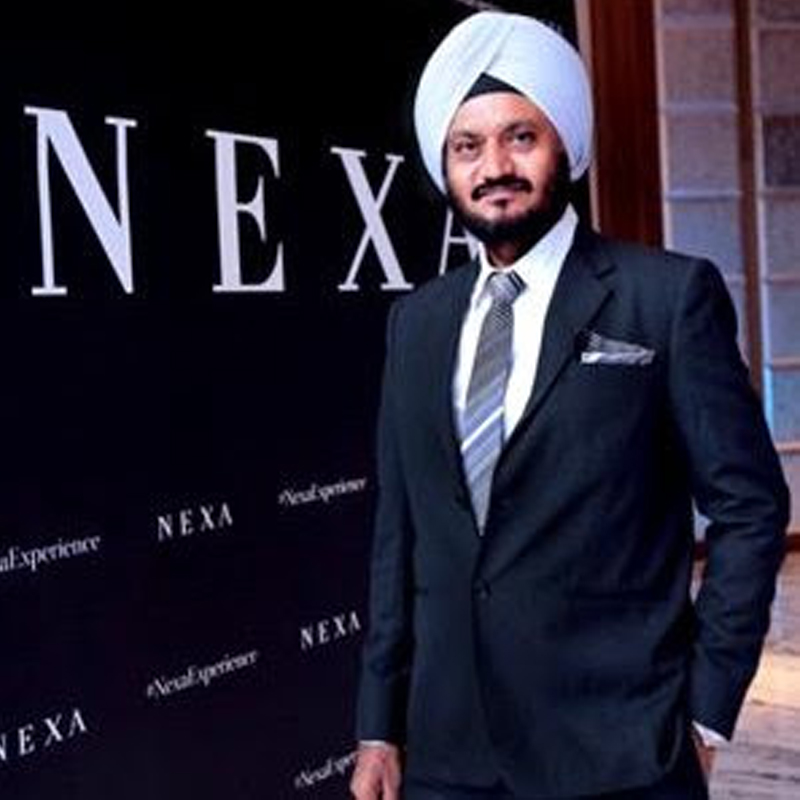
Maruti Suzuki marketing and sales executive director R S Kalsi said, “Maruti Suzuki is committed to promote quality driving training in the country. Studies show that driver’s fault’ is the biggest reason of road accidents. We have evolved a comprehensive training program comprising simulators, theory and practical sessions, imparted through 370 Maruti Driving Schools and six IDTRs across India. The curriculum, besides driving skills, offers soft skills like grooming, manners, etiquette that develop a positive attitude among the drivers. We are glad that through this partnership with Ola, we will be able to expand quality driving training while creating opportunities for employment and entrepreneurship. We target to train 40,000 individuals over three years.”
Ola COO Pranay Jivrajka said, “Mobility in India is a huge need and the industry has the potential to empower aspiring individuals from all walks of life to become micro-entrepreneurs. This partnership falls in line with Ola’s goal of skilling five million drivers in the next five years and continue to build a conducive ecosystem for them to grow as entrepreneurs. We are delighted to work with a trusted Indian brand like Maruti to create a unique solution to skill tens of thousands of aspiring driver entrepreneurs realize their dreams. This is yet another initiative from Ola towards creating a robust and balanced driver ecosystem; which is vital to realize our mission of creating mobility for a billion Indians.”
According to the MoU, Maruti Suzuki would help the individuals/Ola partner-drivers obtain commercial license and also assist in availing vehicle financing to purchase their own car, after the completion of their course. Ola will also provide qualified leads of potential driver-partners to Maruti Suzuki for facilitating them with commercial driving training.
All the aspiring drivers will undergo a 30-day driving training which includes a pre- and post- assessment tests to gauge the driving skills of these individuals.
The classroom sessions will familiarize the trainee with basic requirements such as vehicle controls and mechanisms, road signage, rules and markings, driving in difficult conditions, maintenance and fuel efficiency tips and traffic laws. Besides these dedicated sessions on soft skills like being a good road user, interactive case studies on the effect of bad driving habits, the importance of positive attitude, grooming tips, etiquette and good manners are imparted to instill safe driving habits and become a responsible driver.
The practical training sessions cover intensive training on safe and efficient driving, pre-checks before starting to drive, risk perception, defensive driving techniques, driving in difficult conditions, rules of the road and emergency handling.
Ola works closely with multiple state governments to create a skilled workforce that has access to capital, insurance and vehicle at discounted prices. Ola aims to add 50 lakh driver-partners on its platform by 2022 by mobilising, training and engaging with aspirants through such partnerships.






Brands
India’s food culture takes a bold turn in 2025
From fusion desserts to experiential dining, four trends reshape how the nation eats.
MUMBAI: India’s plates just got a serious upgrade in 2025 because when tradition meets TikTok and fusion meets fitness, even the humble samosa starts feeling trendy. The Godrej Food Trends Report 2025 predicted several shifts in Indian eating habits, and the past year proved the forecasters right. From reimagined desserts to immersive dining experiences, Indian consumers showed they want authenticity, convenience, global flavours and health in equal measure.
Here are four trends that truly came alive in 2025 and are now shaping how India eats and dines:
1. Indian Desserts Get a Modern Makeover Traditional mithai found fresh life through fusion experiments. Cheesecakes, truffles and plated desserts inspired by classics like gulab jamun and rasgulla gained popularity, while chocolate-forward, fruit-led and lower-sugar options appealed to younger diners. According to the How India Eats 2025 report, desserts and ice-cream parlours were among the fastest-growing segments in organised food services. Examples: The Bombay Canteen’s Coffee Rasgulla Sundae and Le Chocolate Cakes and More’s Gulab Jamun Cake. Chef Aarohi Sanghavi of Maki Patisserie noted the shift toward seasonality and fresh Indian produce, while Chef Heena Punwani of Maska Bakery highlighted the appeal of flexible, weekend-special menus.
2. Social Media Becomes the New Menu Food discovery went fully digital. Instagram Reels, YouTube reviews and creator-led content heavily influenced dining choices, with food remaining one of the most consumed categories on social media. Restaurants began designing visually striking dishes specifically for shareability, while many diners found new spots through viral videos rather than traditional advertising. The How India Eats 2025 report revealed that over 75% of marketing spends by leading QSR chains now go toward digital channels. Cafes like Mokai and Candies became creator favourites, and brands such as Bastian Hospitality curated highly shareable pop-ups and events. Kavita Rajwade of IVM Podcasts emphasised how long-form storytelling helps decode food’s cultural and economic layers, while Pranav Joshi of Floydian Cookery admitted his page grew far beyond expectations.
3. Snacking Culture Goes Mainstream India’s love for snacks evolved into a full grazing lifestyle, with many opting for multiple small bites throughout the day instead of three structured meals. This shift spurred innovation in formats—from gourmet chips and fusion street food to protein-packed options. Restaurants responded with small-plate menus designed for sharing. The How India Eats 2025 report noted that late-night orders grew nearly 3x faster than dinner. Brands like The Whole Truth Foods and Green Snack Co. popularised clean-label snacks such as protein bars and roasted nuts. Madhushree Basu Roy of Pikturenama Studios predicted a mix of convenience, health consciousness and global influences, while freelance food writer Sharmila Vaidyanathan observed that consumers want the best of both worlds healthy options for routine snacking and traditional treats for special occasions.
4. Dining Becomes an Experience, Not Just a Meal The most noticeable shift was the rise of experiential dining. Consumers increasingly sought restaurants that offered more than good food, they wanted immersion, storytelling and chef-driven concepts. Venues like Papa’s in Mumbai (intimate tasting menus), Bombay Daak (theatrical regional flavours) and Masala Library (modernist presentations) turned meals into memorable events. Tasting menus, themed pop-ups and chef collaborations became more common, transforming dining out into entertainment. The How India Eats 2025 report highlighted how experience-led formats and storytelling are key to attracting younger diners. Chef Karan Upmanyu of ParTTwo in Bengaluru observed that new outlets are breaking away from rigid formats, focusing instead on creating relaxed spaces where people simply enjoy spending time.
As 2026 unfolds, these trends suggest India’s food culture is no longer just about what’s on the plate, it’s about how the plate makes us feel, connect and remember. From a quick Reel-inspired snack to a full theatrical dining experience, Indian diners are voting with their forks for food that is both rooted in tradition and unafraid to experiment. The table, it seems, has never been more exciting.








