Brands
Amit Kumar Nanchahal elevated to brand communications head – international beverages at PepsiCo
Seasoned reputation strategist takes charge of international beverages portfolio after steering corporate narrative in India and South Asia


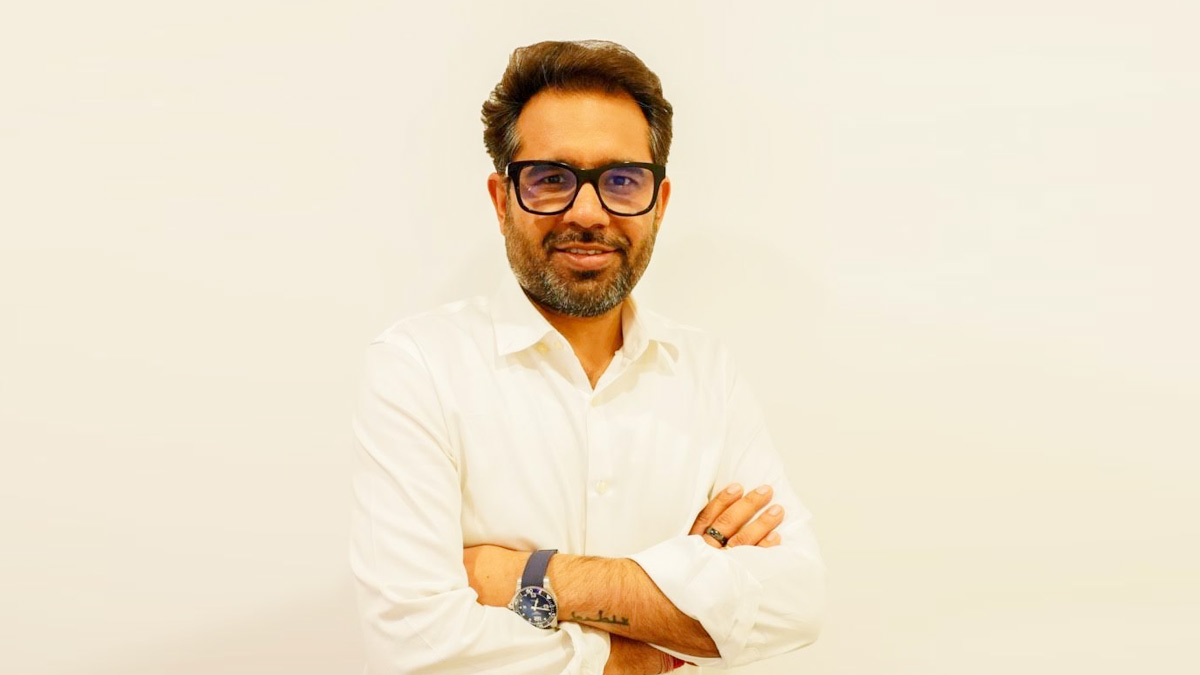
GURGOAN: PepsiCo has handed the communications reins of two of its punchiest brands to a veteran insider. Amit Kumar Nanchahal has been appointed brand communications head, international beverages for Sting Energy and Mountain Dew, marking his latest ascent in a career spanning more than two decades in corporate storytelling and sustainability strategy.
Based in Delhi, Nanchahal will now oversee global communications for Sting Energy and Mountain Dew across international markets, sharpening brand narratives in an increasingly competitive and youth-driven energy drinks segment.
The move follows his stint as head of corporate communications for India and South Asia at PepsiCo, where he drove the company’s food and beverage marketing communications, sustainability messaging, digital outreach and internal communications. Over seven years at the American beverages giant, he has moved steadily up the ladder, from associate director overseeing food category and sustainability communications to the top communications post for international beverages.
Before PepsiCo, Nanchahal cut his teeth in high-stakes corporate environments. At Ola, he led corporate communications and advocacy, positioning the ride-hailing firm as a sustainability-focused mobility player while steering crisis strategy and stakeholder engagement. Earlier, at SABMiller India, he spent nearly a decade managing media relations, internal communications and sustainability programmes in one of India’s most tightly regulated sectors.
His career began at the Confederation of Indian Industry, where he worked on corporate communications and policy engagement, liaising between industry and the Haryana government.
Nanchahal’s credentials include being named among India’s Top 100 Change Makers and a 40 Under 40 honouree by industry platforms. Campaigns under his watch have picked up Cannes Lions, including initiatives such as Lay’s Smart Farm, BioChar, Gatorade Turf Finder and the Lay’s Farm Equal Project, blending brand building with sustainability narratives.
At PepsiCo, the brief is clear: amplify global brand voice, align purpose with performance and keep two high-voltage brands culturally relevant in crowded markets.
If reputation is capital and narrative is leverage, Nanchahal now sits at the fulcrum. In the battle for consumer attention, the energy is not just in the can, it is in the story.