Brands
Maharashtra revokes Ola, Uber, Rapido bike taxi licences
Temporary e-bike taxi permits cancelled as firms fail to meet state rules


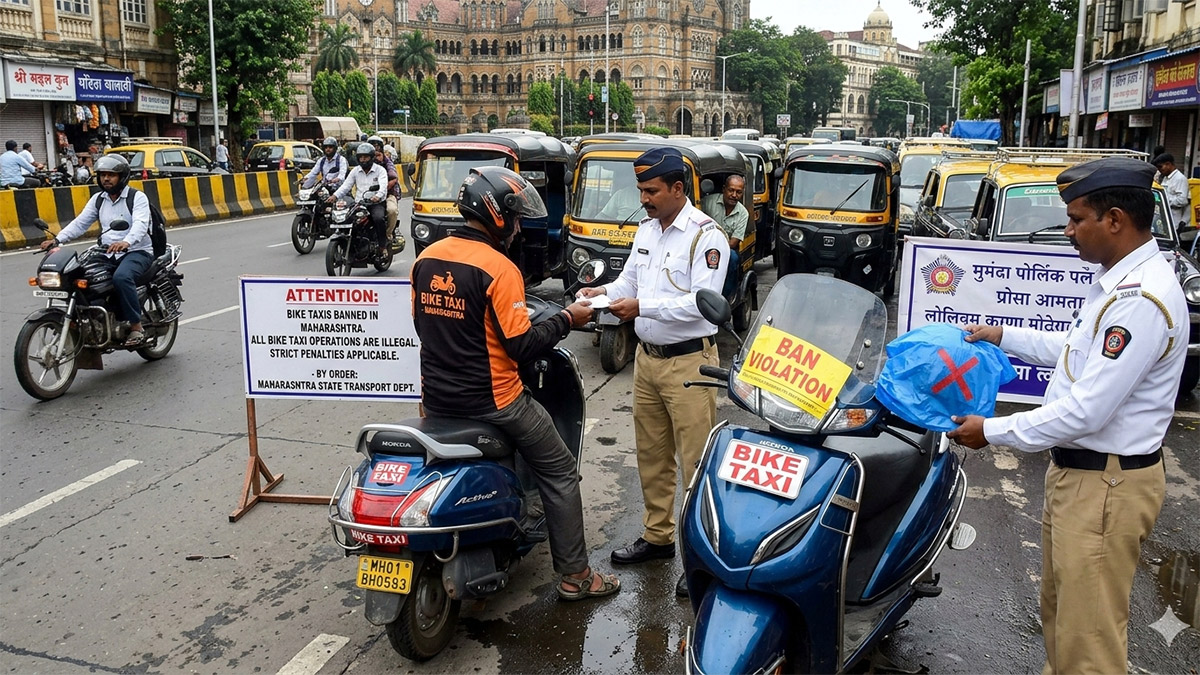
MUMBAI: Maharashtra’s roads are set to see fewer zipping two-wheelers after the state government pulled the plug on provisional licences granted to bike taxi giants Ola, Uber and Rapido. Transport Minister Pratap Sarnaik announced in the Legislative Council on Monday that temporary permissions would be revoked.
“These companies were given permission for just a month and were required to submit certain documents. Since they have not complied, their temporary licences are cancelled. This is to ensure illegal bikes do not operate on our roads,” Sarnaik said.
The move follows the Maharashtra E Bike Taxi Rules 2024, designed to generate employment for local youth and offer commuters a cheaper, greener ride option. The rules, approved in August 2024, allow electric bike taxis in cities with over one lakh residents.
Under the policy, only electric vehicles can ply as taxis, and operators had 30 days to fulfil licensing and compliance requirements. Yet, officials claim many continued operations without meeting these conditions. Sarnaik added that a large number of bike taxis currently running in Mumbai and the wider Mumbai Metropolitan Region are illegal.
In a firm enforcement twist, the government has instructed authorities to focus on vehicle owners rather than riders when registering cases. Safety concerns, particularly for women passengers, and accident complaints have also been flagged by the transport department.
Since April 2024, Regional Transport Offices have taken action against 130 non-compliant bike taxis, collecting fines exceeding Rs 33 lakh. Authorities say further measures will follow to ensure services adhere to regulations before returning to city streets.
Maharashtra’s bike taxi saga has been a rollercoaster. Initially banned in January 2023 due to concerns over private vehicles ferrying passengers, the sector was later formalised through an electric bike framework in 2024. Provisional licences were granted in 2025, but the government now warns that any bike taxi operating on city roads without proper permits will be considered illegal.
Adding to the transport shake-up, the government has also halted the issuance of new auto rickshaw permits from March 9 to ease urban traffic pressures and safeguard livelihoods of existing drivers. A fresh standard operating procedure for future permits is set to go before the state cabinet soon.
Maharashtra commuters may have to find alternative rides as the state reins in its two-wheeled taxi revolution, leaving app-based bikers in a legal limbo.