Brands
Maharashtra FDA challenges FSSAI powers over food business licensing
State moves Bombay High Court against central licensing rules, the FoSCoS portal and a 2023 circular restricting inspections


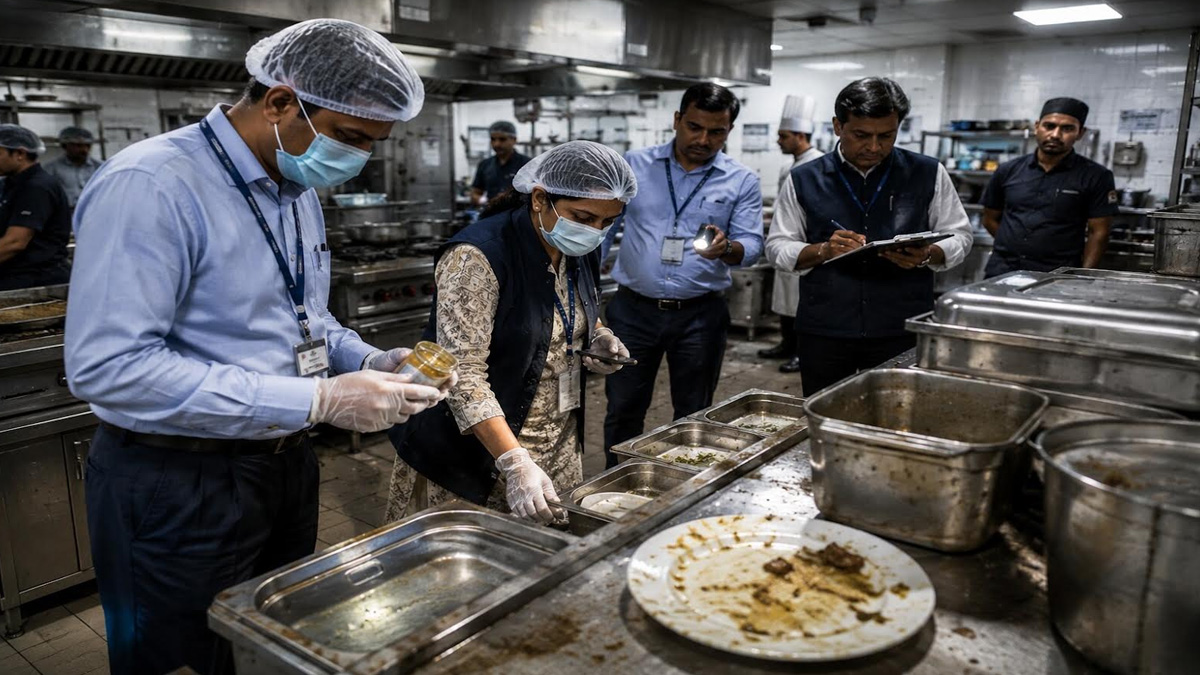
MUMBAI: The battle over food safety has moved from the kitchen to the courtroom, with Maharashtra questioning who gets to call the shots when it comes to licensing and inspecting food businesses. The state’s Food and Drugs Administration (FDA) has approached the Bombay High Court, challenging the powers exercised by the Food Safety and Standards Authority of India (FSSAI) and arguing that the central regulator’s expanding role has encroached on the responsibilities of state authorities.
The petition, filed through Maharashtra’s Commissioner of Food Safety, seeks to quash regulations that the state contests, stay an FSSAI circular dated 12 May 2023, and direct the central regulator to return registration records held on its online licensing platform. The matter is likely to be heard on 26 November, according to reports.
At the heart of the dispute is the Food Safety and Standards Act, 2006, which provides the legal framework for regulating food safety in India. Maharashtra argues that the law envisaged a decentralised system, with state commissioners and local authorities responsible for overseeing food businesses, while the FSSAI would focus on framing standards and performing other central regulatory functions.
The state alleges that the system has gradually shifted towards greater central control, creating uncertainty over who has the authority to license, inspect and take action against food businesses. Its petition challenges the establishment of central licensing authorities, central food safety officers and central analysts, arguing that the FSSAI chief executive officer does not have the statutory authority to create this parallel administrative structure.
The disagreement goes beyond organisational charts. Licensing determines which authority oversees a food business, while inspection powers can decide who steps in when a potential violation is detected. Maharashtra contends that routine enforcement should remain with state and local authorities, rather than being transferred to a parallel central structure.
The state maintains that the FSSAI’s remit should principally cover the formulation of food safety standards and the clearance of imported products at entry points. In its view, the day-to-day oversight of food establishments should continue to rest with the authorities operating at state and local levels.
One of the most contentious issues is the FSSAI circular issued on 12 May 2023. Maharashtra alleges that the directive barred its FDA officers from inspecting or taking action against commercial establishments holding a central licence. The state has asked the High Court to stay the circular, arguing that the restriction limits its ability to respond to possible food safety violations.
The dispute raises a practical question: if a food business holding a central licence is operating within Maharashtra, how far can the state’s enforcement officers go when they suspect a breach? The petition challenges the alleged restriction on their powers, although the court has yet to adjudicate the state’s claims.
The state has also challenged the Food Safety Compliance System, or FoSCoS, the online platform used for food business licensing and registration. According to the petition, the platform’s configuration has shifted more businesses into the central licensing framework, affecting the state’s role in maintaining registration records and overseeing establishments.
Maharashtra has sought the return of all registration records to state officers. The demand places the digital licensing system at the centre of the legal dispute, alongside the questions of statutory authority and inspection powers.
The case therefore concerns not only which regulator issues a licence, but also how businesses are categorised, where their records are maintained and which authorities can act when compliance concerns arise. For food businesses, the outcome could help clarify the division of responsibilities between central and state regulators.
For consumers, the dispute has implications for how food safety oversight is administered, although the petition itself does not establish that food safety standards have been breached. Its focus is on the legal authority and administrative arrangements governing licensing, registration and enforcement.
The wider issue is how the Food Safety and Standards Act, 2006, should operate in practice when central and state authorities have overlapping responsibilities. Maharashtra’s challenge argues that the central regulator’s expanding administrative framework goes beyond what the legislation permits. The FSSAI’s powers and the validity of the contested arrangements will ultimately have to be assessed through the legal process.
The Bombay High Court’s consideration of the matter could provide clarity on the respective roles of the FSSAI and state food safety departments, particularly over centrally licensed establishments and the use of FoSCoS. Until then, the allegations remain the state’s claims in its petition, rather than findings established by the court.
With a likely hearing date of 26 November, Maharashtra’s challenge has put the division of food safety powers under the spotlight. The central question is whether India’s regulatory framework should operate through a stronger central licensing structure or retain the decentralised enforcement model that the state says the 2006 law envisaged. The court’s eventual decision could help determine where the line between the two authorities should be drawn.