Brands
Livon’s digital play to connect with today’s consumers


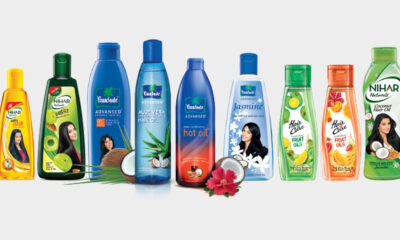
MUMBAI: Indian consumer goods company Marico has its consumers spread across the country and a majority of them come from the smaller section of society. The homegrown company has a wide portfolio of products including Set Wet Gel, Parachute coconut oil, Nihar oil, Saffola and Livon.
It was at the recently concluded The Advertising Club’s maiden edition of D-CODE where Marico CMO Anuradha Aggarwal gave insights about how important digital is for brands in general and how it helped in shaping Marico’s communication. She listed out three key tips to crack the digital code.
She said that anybody who claims they know digital, is kidding themselves and you! “We as an industry haven’t been able to crack the digital code yet and are still trying to understand it and learn as we go about it as the digital ecosystem is changing every minute.”
Marico is a small brand, as compared to the Amazon and Netflix of the world, which sells parachute oil, Nihar oil in the deep rural pockets of India. Aggarwal said that while everyone is busy watching Amazon or on Facebook, Marico is trying to sell products to15-year-old girls and 50-year-old women sitting in deep rural pockets of India.
While the brand is relatively small and its core consumers aren’t digital rich, how do they connect with them on digital is a hefty challenge for Marico. We are in a digital world where brands are trying to seek attention from the consumers. They are on an endeavour to seek out the truth in this hyper-complex digital world.
Every marketer around the globe swears by the AIDA (Awareness, Interest, Desire, Action) model and has probably learnt it in the marketing school. AIDA is an advertising effect model that describes the effect of advertising media. The sales process should be sustainably optimised on the basis of this model. Aggarwal, however, believes that the traditional model of AIDA isn’t applicable anymore. The purchase journey doesn’t start with awareness about the product; it may start with a desire or interest.
Her first key tip to crack the digital code is to seed your brand idea in the mind of the consumers. Korean pop inspired Marico to implement the same strategy for one of its brands-Livon in India. The brand didn’t have the money, scale and awareness and it was a strenuous task to get the word about the product on digital. “It’s a challenge for us to connect with the digital consumers when we don’t own the medium or are active on it,” she added.
The penetration in the serum category was static between 2006-2016 and there was no new entrant in the market. This was a huge opportunity for the brand to create awareness about its product. Her second tip is to be personal where brands need to do local targeting and create personalised ads. Can you imagine a consumer being excited about applying serum on their hair? The team didn’t know what this activation will generate.
Taking a leap of faith, Marico conducted college activation for Livon across India to target the youth and young teenagers. They made 100 brand ambassadors across colleges in India and engaged real time in transforming their hair. The word of mouth helped Livon in marketing and shot up its sales in a month’s time. The third and most important of all is to just let go once you’ve executed the campaign and trust in your audience to come back to you.
On a concluding note, Agarwal said that brands have to ditch the target audience and embrace the audience at large. Only then will they be able to tap a larger audience which will eventually lead to higher revenues and sales.