MAM
Leo Burnett promotes Ajeeta Bharadwaj as Planning Head for Mumbai
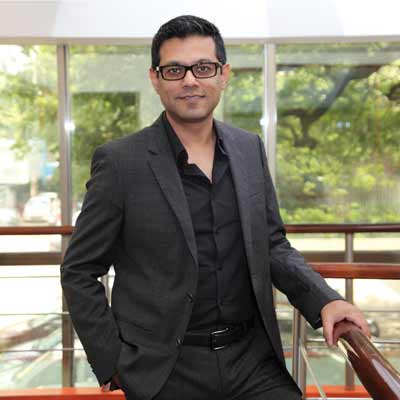
MUMBAI: Leo Burnett India has boosted its senior team and strategy offering by promoting Ajeeta Bharadwaj to the role of Planning Head in Mumbai.
Bharadwaj, who was previously Executive Planning Director, will report to, Leo Burnett Chief Strategy Officer – South Asia Dheeraj Sinha.
Confirming the development, Sinha said, “Bharadwaj has been one of the strongest pillars of strategy at Leo Burnett India. She has made an unparelled contribution in shaping the future of several brands that we work on. Bharadwaj is fully steeped into our HumanKind philosophy and is an astute practitioner of the HumanKind tools. She has also led and developed several knowledge and insight projects over the years. Not only is this promotion very well deserved, it also comes at an opportune time, when we are building a huge momentum around our strategy function. With Bharadwaj as the leader in Mumbai, we will continue to up the temperature on sharp insights, leading to great work for our clients.”
Bharadwaj added on her new role saying, “It has been an amazing journey at Leo Burnett. I have had the good fortune to work on some incredible brands and with some incredible partners, both among clients and within the agency. And I truly believe that the best is yet to come. We are doing some fantastic work and each piece is making us hungrier for more and better. In my new role, I’m looking forward to working closely with Dheeraj in producing new-age work that would help us in our constant endeavour to reach for the stars.”
Bharadwaj has 15 years of experience in brand planning and strategy. Brands she has worked on include HDFC Life, P&G, Tata Sampann, Emami, Star Plus, Heinz, Coke, Sony Entertainment Television, CavinKare, Anchor, AXN, Sony Pix, Godrej, Qi Spine Clinic and Fiat.
She and her team have also received 12 LeoIntel stars for innovative category and culture thinking across the Leo Burnett WW network.

Digital
India leads global adoption of ChatGPT Images 2.0 in first week
From anime avatars to fantasy covers, users turn AI visuals into culture
NEW DELHI: India has emerged as the largest user base for ChatGPT Images 2.0, just a week after its launch by OpenAI, underlining the country’s growing influence on global internet trends.
While the tool was introduced as an advanced image-generation upgrade within ChatGPT, Indian users are quickly reshaping its purpose. Instead of sticking to productivity-led use cases, many are embracing it as a creative playground for self-expression, storytelling and online identity.
From anime-style portraits and cinematic headshots to tarot-inspired visuals and fictional newspaper front pages, the model is being used to create highly stylised, shareable content. Features such as accurate text rendering, multilingual prompts and the ability to generate detailed visuals with minimal input have helped drive rapid adoption.
What sets the latest model apart is its ability to “think” through prompts, generating multiple outputs and adapting to context, including real-time web inputs. But the bigger story lies in how users are engaging with it.
In India, trends are already taking shape. Popular formats include dramatic studio-style lighting edits, LinkedIn-ready headshots, manga-inspired avatars, soft pastel “spring” aesthetics, AI-led fashion moodboards, paparazzi-style visuals and fantasy newspaper covers. Users are also restoring old photographs, creating tarot-style imagery and experimenting with futuristic design concepts.
Local flavour is adding another layer. Prompts such as cinematic portrait collages and Y2K-inspired romantic edits are gaining traction, blending global aesthetics with distinctly Indian internet culture.
The surge reflects a broader shift in how AI tools are being used in the country, moving beyond utility to creativity. As younger users, creators and social media enthusiasts experiment with new visual formats, AI-generated imagery is increasingly becoming part of everyday digital expression.
If early trends hold, ChatGPT Images 2.0 may not just be a tech upgrade but a cultural moment, giving millions a new visual language to play with online.