Brands
KFC replaces PepsiCo with Coca-Cola across US restaurants by 2027
The switch ends a partnership dating to 1986 as KFC seeks new drinks and a revival in US sales


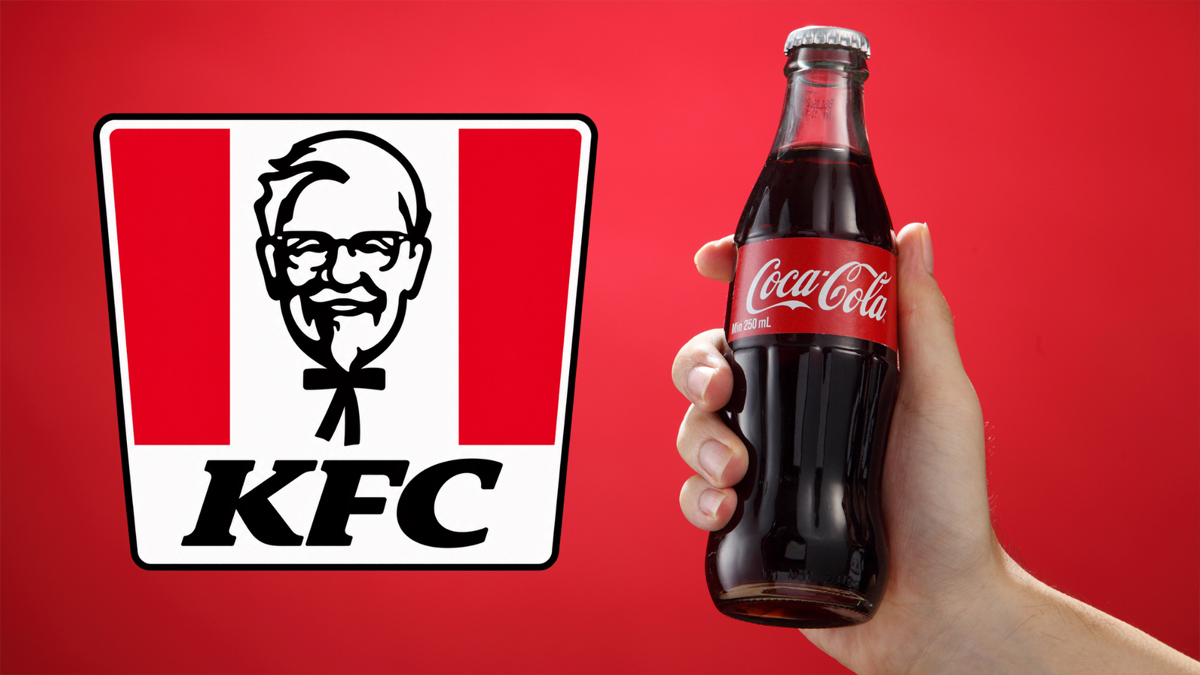
MUMBAI: The Colonel is changing his fizz of choice. KFC is replacing PepsiCo with Coca-Cola as its beverage supplier across its US restaurants, ending a partnership that has lasted four decades and dates back to 1986. The transition is expected to be completed by the end of the first quarter of 2027, bringing a major shake-up to the drinks menu at one of America’s best-known fried chicken chains.
The switch will see Coca-Cola products replace PepsiCo beverages at KFC outlets across the US. The change, however, will not extend to every market: KFC restaurants in several international markets already serve Coca-Cola, while PepsiCo will remain a partner for the chain’s international operations and its parent company, Yum Brands.
The American arrangement began in 1986, when PepsiCo acquired KFC. Since then, PepsiCo beverages have remained a fixture at the chain’s US restaurants. The decision to move to Coca-Cola therefore marks more than a change of supplier; it signals a fresh attempt to make the customer experience more appealing as KFC fights to regain ground in a competitive fast-food market.
KFC US president Catherine Tan-Gillespie told franchisees and employees in a memo that the partnership with Coca-Cola would help the chain introduce new drinks, respond to changing consumer preferences and give customers more reasons to visit its restaurants, according to CNBC.
The timing is significant. KFC is looking to win back US diners as it faces competition from rivals such as Chick-fil-A and Popeyes. In a market where consumers have plenty of options for fried chicken, burgers and quick meals, beverages are increasingly becoming another way for restaurant chains to stand out, encourage visits and broaden their menus beyond the usual soft drinks.
The strategy is not unique to KFC. McDonald’s and Taco Bell, among other fast-food chains, have expanded their drinks offerings with products such as refreshers and speciality sodas. The shift reflects how beverages have become a more prominent part of the quick-service restaurant experience, rather than simply an accompaniment to a meal.
KFC has already been testing ways to widen its drinks appeal. At Open House, its innovation restaurant in McKinney, Texas, the chain recently introduced iced coffees and shakes. Moving to Coca-Cola could give the company another platform to develop its beverage range, although the specific new drinks planned for the wider US rollout have not been detailed in the information provided.
Coca-Cola, for its part, has been working with restaurant partners on new beverage ideas. The company told CNBC earlier this year that it had helped partners develop new drinks, positioning the relationship as more than a straightforward supply arrangement. For KFC, the potential draw is the opportunity to refresh its menu while tapping into a beverage portfolio that can support different flavours and formats.
The switch also comes amid a wider contest between Coca-Cola and PepsiCo for restaurant beverage contracts. Such partnerships give drinks companies access to large customer bases, while restaurant chains gain suppliers capable of supporting their menus across thousands of outlets. Winning or losing a major account can therefore influence both distribution reach and the companies’ ability to build new products around established restaurant brands.
PepsiCo, meanwhile, will not be disappearing from Yum Brands’ business. Tan-Gillespie said the company would continue to be an important partner for the parent group and KFC’s international markets. The change is specifically focused on KFC’s US restaurants, rather than representing a complete break between the two companies.
The competitive back-and-forth is already familiar in the industry. In 2024, PepsiCo secured Subway as its US beverage partner, taking the chain away from Coca-Cola. Coca-Cola, in turn, has won business from former PepsiCo customers including Culver’s, Arby’s and Panda Express.
For KFC, the bigger question is whether a new pour can help revive customer interest. A supplier change alone does not guarantee stronger sales, particularly when the chain is competing against established rivals. Its impact will depend on how the new partnership translates into the drinks available to customers, the overall restaurant experience and the reasons diners choose KFC over its competitors.
By the end of the first quarter of 2027, KFC expects the US transition to be complete. Until then, the long-running PepsiCo arrangement will give way to a new chapter with Coca-Cola — one in which the drinks menu is being repositioned as part of the chain’s broader effort to win back American appetites.