
Brands
Kellogg’s India signs Ranveer Singh for new oats TVC


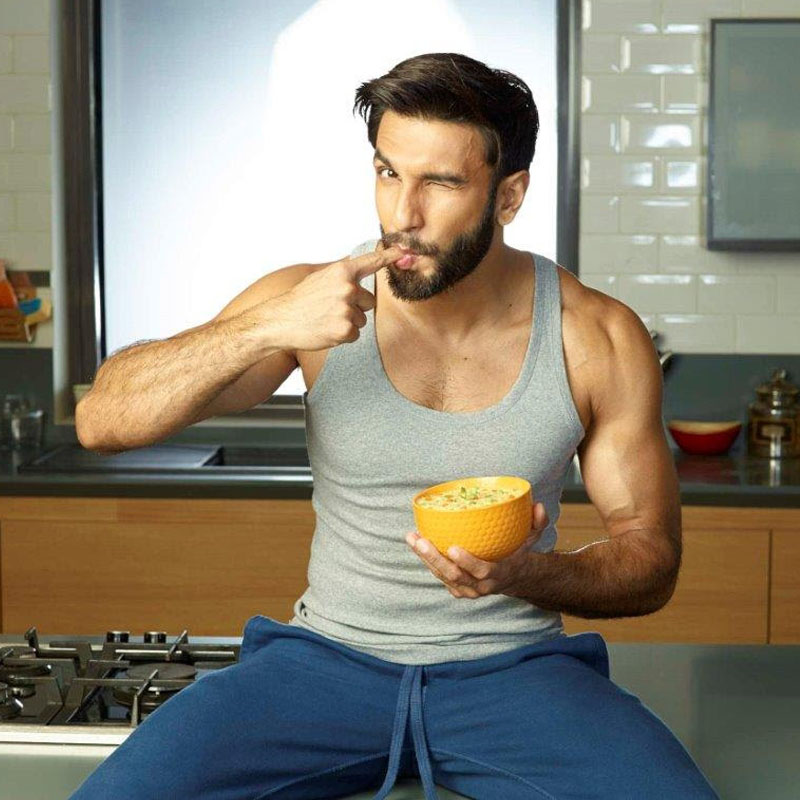
MUMBAI: ‘Garma garam’ (hot) oats and hunks are made for each other. Or so at least Kellogg thinks. And that’s exactly what the company is trying to convey in its latest mass communications in India.
For its ready-to-cook range of Kellogg’s Oats in India, the company has signed up Bollywood’s current hottie Ranveer Singh as its brand ambassador.
The new campaign, themed ‘garma garam’ or hot, will feature Ranveer in a new TVC and as part of a multi-dimensional effort that includes television, alternate media, in-store and point-of-sale executions.
The new Kellogg’s Oats commercial is for its variants Masst Masala and Hot Chinese.
Commenting on the development, Kellogg India MD Sangeeta Pendurkar said in a statement, “Due to fast-paced lives and growing health awareness, consumers are looking for foods that are nourishing and quick-to-prepare. We have stayed true to the Indian consumer’s need for flavours that are locally relevant with the right combination of taste and nourishment. Hence, with intent to communicate our range of ‘garma-garam’ oats, we decided to rope in Ranveer Singh whose energy and enthusiasm is unparalleled.”
According to Pendurkar, the vigour, dedication to fitness and fun that Ranveer brings to the table finds perfect synergy with the brand promise of ‘dil bharke khao’ (eat to your heart’s content).
“We are confident that this association will help break clutter and deliver the brand message to the consumers in the most unique and impactful manner,” she added.
Talking about the association with Kellogg’s Oats, Ranveer Singh, who is presently away in Switzerland shooting for a film, said, “I am so thrilled to be associated with an iconic brand like Kellogg and was really excited when they approached me to be on-board for their ‘garma-garam’ range of oats offerings. I love oats and can easily whip up a bowl of Kellogg’s Oats anytime and eat it to my heart’s content as it offers a super combination of nourishment and taste. It was lot of fun working on this awesome campaign!”
Ranveer, known for some recent powerful on-screen performances in films like ‘Baji Rao Mastani’, is part of Bolllywood’s new crop of actors who take fitness and health seriously.
Dwelling on the campaign, J Walter Thompson senior vice president and executive creative director Nandita Chalam said, “It was a challenge to come up with an idea that showcases the brand and category in a non-traditional space. When one of the country’s hottest stars signed up, fun and excitement were bound to follow.”
The idea behind the campaign was inspired by the media frenzy that can be triggered with a mere tweet by someone like Ranveer and the TVC reflects this in a humorous and witty way, Chalam went on to explain.
Kellogg’s has added two new flavours to its existing range of Kellogg’s Oats— Masst Masala and Hot Chinese.
Masst Masala has real vegetables like green peas, carrot, French beans, spices and condiments like coriander to bring oats to consumers in a format and flavour that they relish the most. On the other hand, Hot Chinese is a Chinese twist to oats with hot red chilli flakes, a statement from the company stated.
Other oats flavours from the company include Simply Pongal (a product inspired by the favourite South-Indian delicacy Pongal and made of oats, moong daal and black pepper) and Tomato Salsa that brings in the tangy feel of tomatoes with spices and condiments to create an exciting flavour.
The Kellogg’s Oats range is available across the country in single serve packs of 200 gm, half kg and one kg packs with price points starting from Rs. 15 to Rs. 175.






