MAM
KDY 2016: Handsome Frank on the business of creativity


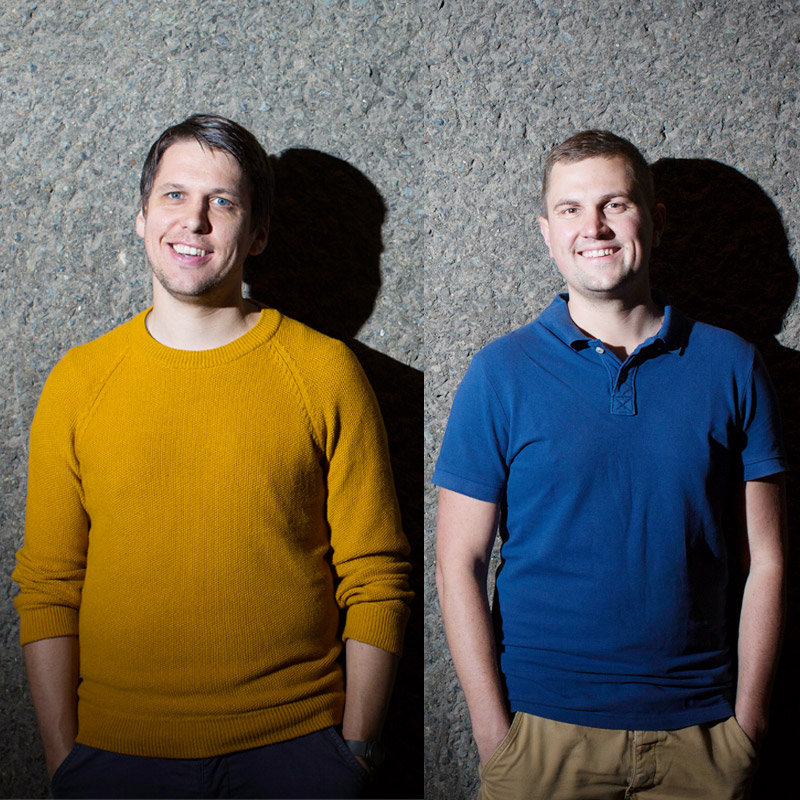
JAIPUR: They were once in the mad corporate race, but opted out to discover the joy of working for themselves and the artistic freedom it brings. Since then, Tom Robinson and Jon Cockley have tried to give the same to the artist community cross the world — by bringing them under their banner of Handsome Frank, a UK based illustration agency.
What Jon and Tom really do is represent close to 35 international illustrators, including the likes of Jean Jullien and Mallika Favre, and connect them to clients, and vice versa.
Unlike any other job, Tom and Jon are required to understand each artist and their ways of expression to find a befitting job that respects the artist’s unique creative expression.
Indiantelevision.com caught up with the dynamic duo during their visit to Jaipur for Kyoorius Designyatra 2016 and picked their brains on how they stay true the artists and still not compromise on business. In short, what it takes to keep the artists happy and the agency profitable. Excerpts from the conversation:
Q1. How do you manage the business and keep it separate from the creative process so artists can only focus on their work?
Tom: There are four of us who take turns to handle things. At times one does the editorial and design, while another deals with the client.
Jon: Apart from our varied skill sets, if the brief from the client is very technical, and requires animation and CGI, then Tom is more likely to pick it up.
Q2. How involved are you in each of the projects?
Tom: When we are picking an illustrator for a particular project, we keep an eye on the commercial appeal, making sure that the client is going to look at it positively, be it advertisement in print or a TV commercial. Once the project kicks off, our involvement varies quite a lot. Some artists are very hands on themselves, and we are comfortable just being copied on the mails with the clients.
But there are illustrators who don’t want that at all. So we come forward and sort of act as a bridge between the client and the illustrator. It is about learning and respecting how each illustrator wants to work.
Q3. They say it is hard to work with creative people like artists and illustrators. How do you change the perception?
Jon: For me there is a big difference between an artist and an illustrator. An artist essentially creates for himself or herself and puts the art out to the world. An illustrator is hired to bring somebody else’s ideas to life. All illustrators we represent are very aware of this.
Tom: Illustrators are also people and have emotions. They are not machines at the other end of the illustration process who just churn out work. You have to take into account people’s emotions. Some illustrators can get offended by feedback and a lot of clients write feedback in a very pragmatic and stale way that can come across as hurtful. That is when the professionalism comes in. Some learn the hard way that a negative feedback is sometimes for the better.
Q4 .Have you worked with Indian clients/brands? Are you open to work in India?
Jon: Yes, a couple of them, and we are open to accepting more work from here. When we started off, we thought we would only operate within the UK, but in the last five years we were surprised at how people from all over the world were reaching out to us, wanting to work with our illustrators. We have done work is Australia, South Korea, New Zealand, the US and across Europe. We judge a brief on things other than the geographical boundaries. We judge it on whether the project will be exciting or not. Obviously the timing and budgets do play a role for the artists.
Q5. Do illustrators, especially independent ones, need help with marketing? Is marketing important to acquire good assignments?
Jon: I agree that artists too need marketing but I don’t think they need an agent to do the job. A lot of them think they need an agent to find for them work in the market. I think it’s the value of their work, built through their portfolio, which takes them through to the market and gets them more work. Good work will always get noticed.
Tom: I doubt there are enough hours in a day for creative people to be business-like and do self promotion, especially when they are busy creating. To have a secondary voice spreading the word about their work is a huge help to them, I feel.







