Digital
Kantar Creative Effectiveness Awards: HUL dominates the digital category

Mumbai: Marketing data and analytics company, Kantar unveiled on Thursday the ads that were most effective and creative in 2021 across India. The firm tested more than 13,000 creatives for clients around the world throughout 2021. 10 percent (1300+) of those creatives were tested in India alone.The India report shortlisted over 350 ads, tested across categories, markets, target groups and media channels.
Some of the findings from Kantar’s Strategic Sparks for effective and creative digital advertising are:
- Customized and integrated content yields significantly higher ROI: Carrying forward creative stories and elements from other media amplifies the impact of digital assets.
- Shoot for instant meaning: Given the attention poor consumers and short window available, it pays to ensure that the consumers are not called to do any additional work for decoding what they are supposed to think and feel about the brand
- Ride the moment: Embrace the topical issues and trends, to engage and be relevant
- Strike an emotive chord: Well told stories open up consumers for longer format videos
- Hook them early: Promise of a fulfilling story arc, emotive journey and humour help in ensuring that consumers stay invested beyond 6 seconds.
Commenting on this year’s winners, Kantar Insights Division managing director & chief client officer Soumya Mohanty said, “The spread of ads that consumers have perceived to be both creative and effective is an affirmation of the fact that the space for creativity even in context of marketing ROI is infinite. While there is no magic formula for creating such ads, we can start with the right ingredients and refine them by testing them out with consumers. Kantar is pleased to share the learnings that we have had in the area while working with the leading marketeers in India.”
Key highlights from this year’s report identified for effective and creative TV advertising:

- Indians love to ride fulfilling story arcs: Stories create room for empathy, engagement, and vivid memories through which one could influence the way in which consumers think & feel about the brands.
- Touch of drama helps: Just the right kind and quantity of spice delivered through creative storytelling and filmmaking, elevates even the repetitive themes, to make them more personal, relevant and aspirational.
- License to be extravagant in visualization: Indians are open to suspending their disbelief for the well visualised film.
- Layer in emotional meaningfulness: Emotive contexts have the potential to make the consumers warm up to even the dry functional categories.
- Show, not tell: Integrating brand payoffs as an organic plot event in the script is a timeless approach toward creating vivid and persuasive memories.
Kantar’s collaboration with the Unstereotype Alliance has led to the development of the Unstereotype metric (UM) which Kantar now includes as a measure of gender portrayal in advertising as an integral part of its Link™ communication pretesting solution. Thus, setting a foundation for marketers to review the potential of their creative executions on this dimension to monitor progress over time.
Unstereotype metric* (UM) in the long term provides learning and context for gender progressive advertisements. UM is now measured for 14,000+ ads across 70 countries, 3,300+ brands and 251 categories.
⎯ Unstereotyping in advertisements is predicted to unlock higher marketing ROI. It signifies strong brand equity and is likely to impact short term sales as well. This impact is not only true for women, but progressive male role models also impact business outcomes across categories.
⎯ Progressive ads are more effective and trigger positive engagement. They are in general seen to be more enjoyable, relevant, different and even pleasantly surprising.
⎯ Unstereotyping affects various aspects of the brand- power, meaningfulness, difference and saliency especially seen in food & beverage, household and personal care categories.
⎯ There are clear and present rewards for brands that seek to be at the forefront of embedding progressive gender roles






Introduction
In the modern digital landscape, businesses are constantly seeking innovative ways to reach their audience, build relationships, and drive conversions. Two of the most powerful tools in digital marketing today are email automation and YouTube marketing. These strategies not only help brands engage with their audience but also provide measurable results that can significantly impact business growth. Platforms like ExamCollection offer valuable insights and resources for mastering these techniques. In this article, we will explore how email automation and YouTube marketing can transform your digital strategy and help you achieve long-term success.
The Power of Email Marketing Automation
Email marketing remains one of the most effective channels for communication and conversion. However, manually managing email campaigns can be time-consuming and inefficient. This is where marketing automation comes into play. Automation tools allow businesses to send personalized messages based on user behavior, preferences, and engagement patterns. This not only improves efficiency but also enhances the customer experience.
Benefits of Marketing Automation
Marketing automation provides several advantages, including increased productivity, improved targeting, and better customer retention. By automating repetitive tasks, businesses can focus on strategy and creativity. Additionally, automation enables marketers to segment their audience and deliver highly relevant content, which leads to higher open rates and conversions. It also provides valuable analytics that help optimize campaigns for better performance.
How to Master Email Automation
To master email automation, businesses need to understand their audience and create targeted campaigns. This involves setting up workflows, designing engaging email templates, and analyzing performance metrics. Tools like CRM systems and automation platforms can help streamline the process. Learning from expert guides and resources can significantly improve your skills and results.
The Rise of YouTube Marketing
YouTube has become one of the most influential platforms for digital marketing. With billions of users worldwide, it offers businesses an فرصة to reach a massive audience. Video content is highly engaging and can convey messages more effectively than text or images. As a result, many brands are investing in YouTube marketing to build their online presence and connect with their audience.
Key Strategies for YouTube Success
Successful YouTube marketing requires a well-planned strategy. This includes creating high-quality content, optimizing videos for search, and engaging with viewers. Consistency is also crucial, as regular uploads help build a loyal audience. Additionally, using analytics tools can help track performance and identify areas for improvement.
Explore more: https://www.examcollection.com/blog/master-youtube-marketing-with-these-10-powerful-steps/
Combining Email and YouTube Marketing
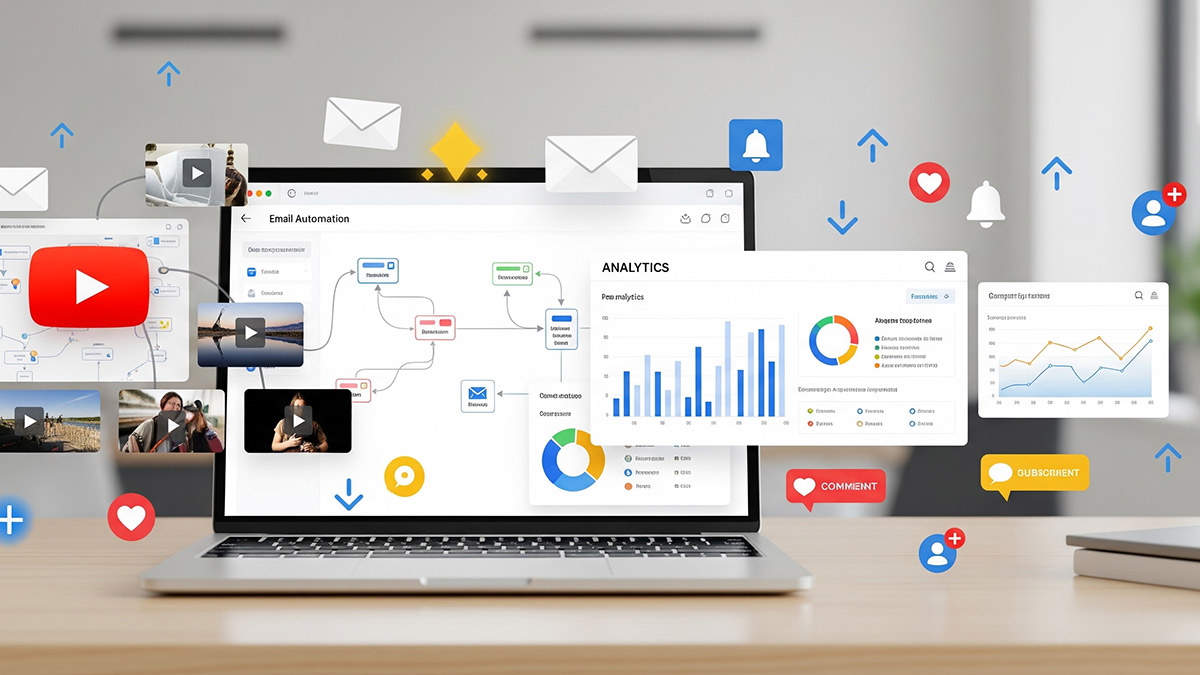
Integrating email automation with YouTube marketing can create a powerful synergy. For example, businesses can use email campaigns to promote new videos, share exclusive content, and drive traffic to their YouTube channel. Similarly, YouTube videos can encourage viewers to subscribe to email lists, creating a continuous cycle of engagement. This integrated approach can significantly enhance marketing effectiveness.
The Role of Data and Analytics
Data plays a crucial role in both email and YouTube marketing. By analyzing user behavior and engagement metrics, businesses can make informed decisions and optimize their strategies. Metrics such as open rates, click-through rates, watch time, and subscriber growth provide valuable insights into campaign performance. Using these insights, marketers can refine their approach and achieve better results.
Challenges and How to Overcome Them
While email automation and YouTube marketing offer numerous benefits, they also come with challenges. These include content creation, audience engagement, and staying updated with changing algorithms. To overcome these challenges, businesses need to invest in continuous learning and adapt to new trends. Leveraging reliable resources and expert guidance can make a significant difference.
Future Trends in Digital Marketing
The future of digital marketing is likely to be shaped by advancements in artificial intelligence, personalization, and interactive content. Automation tools will become more sophisticated, enabling even more personalized experiences. Video content will continue to dominate, with platforms like YouTube playing a central role in marketing strategies. Businesses that stay ahead of these trends will have a competitive advantage.
FAQ
1. What is email marketing automation?
Email marketing automation involves using software to send targeted and personalized emails based on user behavior and preferences.
2. Why is YouTube important for marketing?
YouTube provides a platform to reach a large audience and engage users through video content.
3. Can small businesses benefit from these strategies?
Yes, both email automation and YouTube marketing are highly scalable and suitable for businesses of all sizes.
4. How can I improve my email open rates?
By creating compelling subject lines, segmenting your audience, and delivering relevant content.
5. What tools are used for YouTube marketing?
Tools like video editing software, analytics platforms, and SEO tools are commonly used.
Conclusion
Digital marketing is evolving rapidly, and businesses must adapt to stay competitive. Email automation and YouTube marketing are two powerful strategies that can drive significant growth when implemented effectively. Email automation allows businesses to deliver personalized and timely messages, improving customer engagement and retention. On the other hand, YouTube marketing provides a platform to connect with a vast audience through engaging video content. By combining these strategies, businesses can create a comprehensive marketing approach that maximizes reach and impact. Platforms like ExamCollection offer valuable resources that help marketers understand and implement these techniques effectively. The integration of data and analytics further enhances the effectiveness of these strategies, enabling businesses to make informed decisions and optimize their campaigns. However, success in digital marketing requires continuous learning, creativity, and adaptability. As technology continues to advance, new opportunities and challenges will emerge. Businesses that stay updated with the latest trends and leverage the right tools will be well-positioned for success. Ultimately, mastering email automation and YouTube marketing can lead to increased brand visibility, higher engagement, and improved conversion rates. By investing time and effort into these strategies, businesses can achieve sustainable growth and long-term success in the competitive digital landscape.






