Brands
Viraj Bahl backs kids care brand Awenest after Shark Tank India pitch
Startup eyes Rs 30 crore next year as toxin conscious kids care demand rises


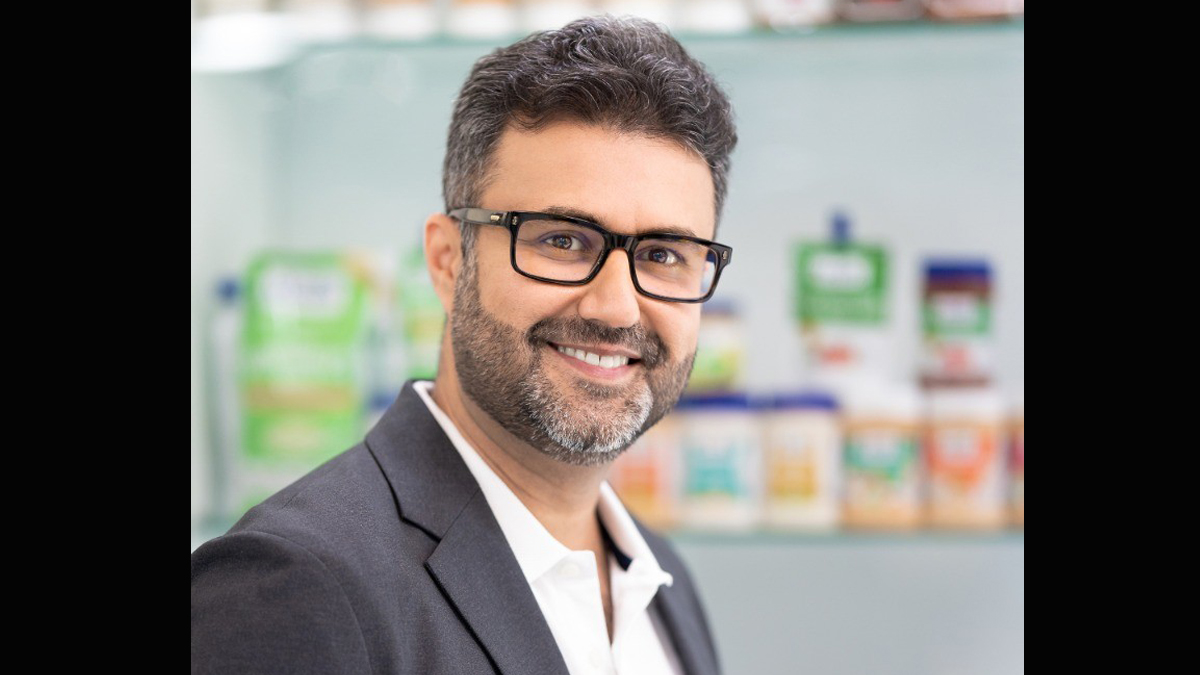
MUMBAI: Kids home and personal care startup Awenest is riding a wave of growing demand for toxin conscious products designed specifically for children, and it has now found a backer in Veeba founder Viraj Bahl after featuring on Shark Tank India.
The brand, which focuses on routine based care products for children, has quickly built a Rs 3.5 crore business and is now targeting Rs 10 crore in revenue in FY26. The momentum has prompted the startup to set an even bigger goal of Rs 30 crore in the next fiscal year as it scales distribution and launches new products.
Awenest’s growth has been steady. The company reported net sales of Rs 1.6 crore in FY24, which rose to Rs 3.52 crore in FY25. In the current financial year so far, the brand has already clocked Rs 2.8 crore in revenue and expects to close FY26 with Rs 10 crore in net sales.
The business has also strengthened its margins while expanding sales. Gross margins have climbed from around 50 percent in FY25 to nearly 65 percent year to date, while the brand touched a monthly run rate of about Rs 70 lakh in October 2025.
Founded by Kinshuk, Atul and Jahangir, Awenest is positioning itself around a simple idea: children need products designed for their routines, not diluted versions of adult formulations. The founders say the children’s home and personal care category in India represents a Rs 30,000 crore opportunity.
Kinshuk, an alumnus of IIM Bangalore, previously managed businesses with revenues exceeding Rs 3,000 crore. Atul, an alumnus of IIM Lucknow, brings experience in marketing and digital growth, including scaling platforms with more than 10 million subscribers. Jahangir leads operations and has handled P and L responsibilities across businesses worth over Rs 2,500 crore.
The startup’s appearance on Shark Tank India gave it a national spotlight, where its routine led approach to children’s care products attracted interest from the panel and led to an investment offer from Bahl.
Even before the show, Awenest had been quietly gaining traction online. Several of its products have emerged as top sellers on Amazon, reflecting rising interest among parents looking for safer everyday products for children.
The company follows a digital first distribution strategy. Around 45 per cent of its sales come from Amazon, while another 45 per cent comes from quick commerce platforms such as Blinkit and other q commerce channels. Modern trade currently contributes about 3 per cent of revenue, though the company expects this to grow as it expands its retail footprint.
The idea behind Awenest stems from how childhood routines have evolved. With children moving between school, activities and indoor environments, the founders believe many everyday products expose them to hidden toxins, allergens and harsh chemicals.
Awenest aims to address that gap with products designed for children’s daily routines using non allergenic ingredients, while still delivering performance that parents expect.
With fresh visibility from Shark Tank India and backing from Viraj Bahl, the startup is now preparing for its next phase of growth by widening its presence in modern trade, strengthening quick commerce distribution and rolling out new products tailored to children’s everyday routines.