MAM
IPL 2018: The dos and don’ts for brands

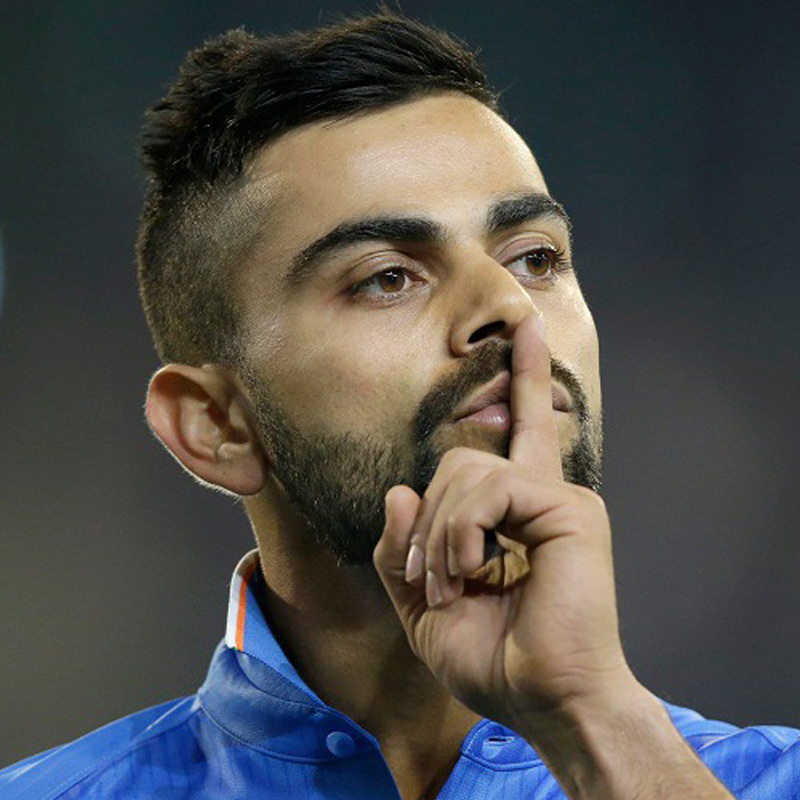
MUMBAI: Brands are always on the hunt to find events with high engagement and some sporting properties are just that. The Indian Premier League (IPL) has been one of the most sought after and followed sports events in India since 2008. It’s 2018 now, its eleventh edition and the IPL has come a long way.
The T20 tournament is the fifth most popular sporting event in the world with over 335 million viewers and the number only seems to be increasing every year. Ad displays are synonymous with the IPL. Every conceivable property, right from boundary line ropes, billboards, stumps to even the sight screen is covered with brands and is monetised.
The IPL has turned out to be the best property for advertisers, considering its short three-month schedule, high consumer involvement and television ratings. Ever since the league started, it has managed to attract major clients as sponsors, including PepsiCo, Vivo, Oppo, Havells, Vodafone, Samsung, DLF, Karbonn among other big spenders.

With less than two months to go before the season starts in April 2018, brands have begun their hunt to pick their favourite teams.
Any sporting event is only made possible through the commercial participation and support of sponsors, partners, licencees and broadcasters. While Vivo Mobiles is the league’s title sponsor this year, several brands have come on board to become the associate sponsors for the teams.
The IPL governing council issues brand and content protection guidelines for all the brands that provide guidance on appropriate and acceptable commercial and non-commercial utilisation by third parties of the IPL proprietary names, proprietary marks and trophy image and audio-visual representations of the league.
Franchise sponsors and partners are granted certain rights by the franchises they associate with. The rights that franchises may grant to their sponsors and partners are governed by the franchise agreement, sponsorship guidelines, player ID guidelines and other applicable league rules.
But just because a brand isn’t Vivo doesn’t mean it can’t get a boost from the game—just that it needs to be careful. The council issues many pages of guidelines on the do’s and don’ts.
Indiantelevision.com got its hands dirty and compiled the crib sheet for advertisers and players below :
Players:
Major players competing in the games have established sponsorship deals with one or several brands. But once the league begins, they need to be careful about what they say, wear and do.
|
They Can |
They Cannot |
|---|---|
|
Share their experiences at the games via social media |
Post or talk about their personal brand sponsors or mention any branded products |
|
Share their own photos or videos |
Mention or promote any organisations they support |
|
Use IPL logo, so long as its not in a commercial context |
Wear any branded apparel that isn’t official on IPL property |
Official sponsor brand:
These are the brands that shell out big bucks for the title league partnership. Official sponsorship is expensive stuff for a usual five-year deal which is why only mega brands end up signing on the dotted line.
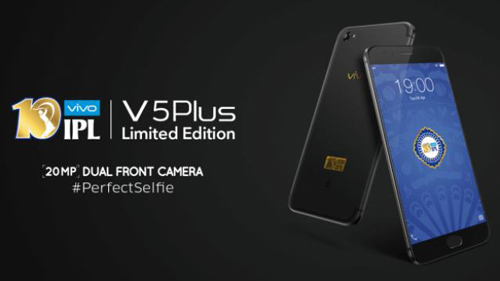
|
They Can |
They Cannot |
|---|---|
|
Advertise while the game is in progress |
Conduct any advertising or promotions that have not been pre-approved by the IPL governing council. |
|
Enjoy exclusive advertising within their market category |
Cannot use IPL name or logo that is confusingly similar or likely to be mistaken for IPL footage which is unlicensed and unauthorised. |
|
Mention the game on social media platforms |
|
|
Supply their goods and services on an exclusive basis within IPL venue |
|
|
Sell merchandise and team jerseys |
|
|
Can run ticket promotions or IPL prizes in contest |
Other brands:
Brands that are not official title sponsors but are partnering team sponsor or additional sponsor are allowed to do a limited amount of marketing during the league. These brands include brands like Kent RO, Muthoot Finance, Royal Stag, Kingfisher, Parle, Lotus Herbals among others that have come on board this season
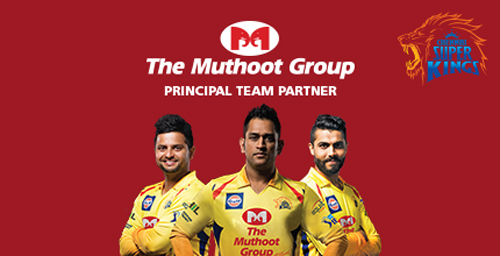
|
They Can |
They Cannot |
|---|---|
|
Run marketing campaigns that feature the teams they sponsor |
No franchise sponsor or partner may use the IPLname or marks in any of its marketing communication or promotion |
|
Merchandise with general cricket terms, India related terms, provided there is no usage of IPL name or logo |
Manufacture and sell counterfeit merchandise relating to IPL or unlicensed use of the IPL relating to any of the teams participating in the league |
|
Can run ticket promotions or IPL prizes in contest |
Launch a new campaign while the league is in process that talks about their association with the tournament without prior licence from the IPL committee. |
|
Brands cannot reproduce or distribute items during IPL and cannot be used on goods, in business names or in advertising promotions without licence from the IPL |
|
|
A formal or pre-existing association with any of the eight participating teams does not permit a team player or team sponsor to use the IPLname or logo without prior authorisation from the committee. |
|
|
Engage in ambush marketing, basically an attempt to create the false impression of an official relationship with IPL. |
Live score on mobile and SMS guideline for official and team sponsors:
|
They Cannot |
|---|
|
Use IPL name or footage on any mobile or wireless technology including on mobile apps without licence |
|
SMS updates of live stores and game that utilise the IPL name |
Brands and match schedule:
|
They Can |
They Cannot |
|---|---|
|
Use the match schedule to provide information in a purely non-commercial sense |
Commercial use or presentation of match schedule by third parties is not permitted |
Though the rules may sound stringent, they are to safeguard the interests of parties. Brands have to be extra cautious while associating and marketing themselves during sporting events and it is not all fun and games in the end!
Also Read :
IPL 2018 gets a makeover with Star India
Star India bags 5 new advertisers for IPL 2018
IPL 2018: Team sponsorship deals may see an uptick




MAM
Beacon Group appoints Dr Rajesh Patel as Group CEO
36-year healthcare veteran to lead Beacon Diagnostics, Vector Biotek, Biogeny.
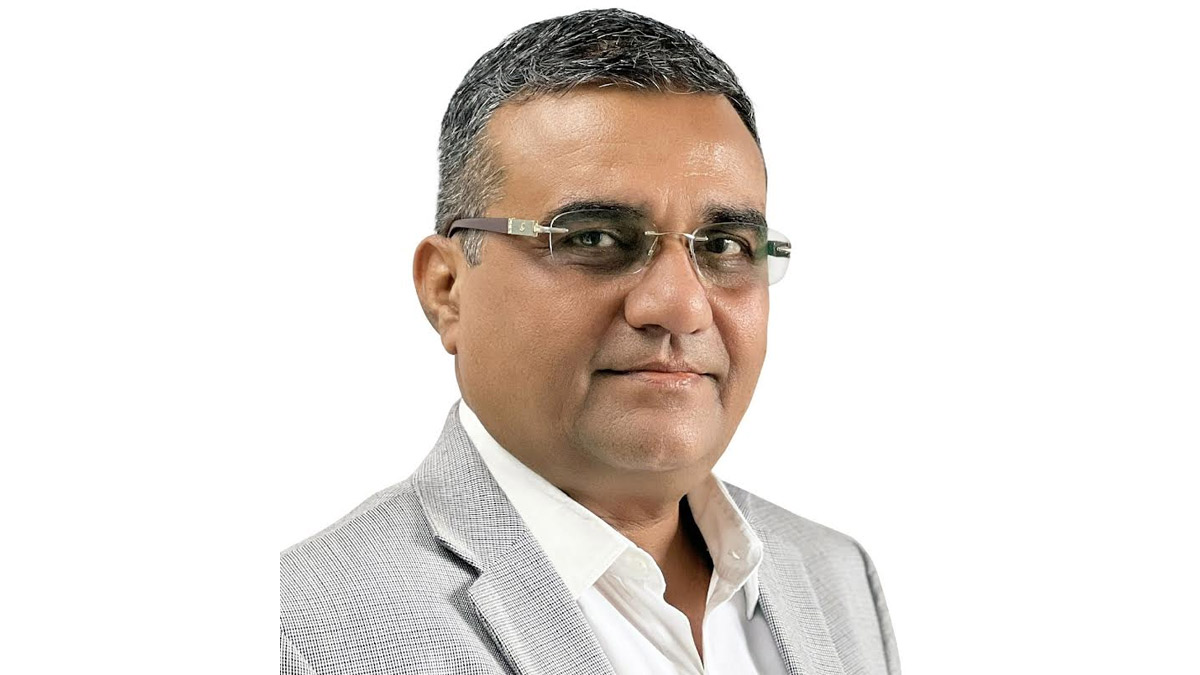
MUMBAI: A new chief, a fresh diagnosis and a sharper prescription for growth. Beacon Group has appointed Dr Rajesh Patel as its Group Chief Executive Officer, effective April 1, 2026, signalling a decisive push to scale its presence in the diagnostics and IVD space. Patel steps into the role with 36 years of experience across the healthcare and diagnostics industry, bringing a career shaped by leadership roles spanning sales, marketing, business development and operational strategy. His mandate is both expansive and precise: to steer the group’s overall strategic direction while tightening coordination across its three core entities Beacon Diagnostics, Vector Biotek and Biogeny Diagnostics.
In practical terms, that means driving cross-company synergies, accelerating market expansion and strengthening organisational capability areas increasingly critical as diagnostic players compete for scale in a fragmented yet rapidly evolving healthcare ecosystem. The group is positioning itself to capture unmet demand across chain laboratories, key accounts and standalone labs, segments that remain underserved despite growing diagnostic needs.
The appointment comes at a time when the In Vitro Diagnostics (IVD) sector in India is entering a more competitive and innovation-led phase, with companies focusing not just on product pipelines but also on service delivery, integration and customer-centric models. Beacon’s leadership appears to be betting that Patel’s execution-focused approach can help translate ambition into operational momentum.
Welcoming the appointment, Chairman Dr D K Joshi described Patel’s induction as a strategic move aligned with the group’s long-term vision, emphasising the role of leadership depth in navigating the next phase of growth.
For Beacon Group, the message is clear, in a sector where precision matters, leadership is the new differentiator—and this appointment is intended to set the tone for what comes next.






