
Brands
Influencers under the lens as ASCI flags brands over hidden ads
ASCI flags Behrouz Biryani, Parag Milk and ITC as disclosure violations expose the murky side of influencer marketing


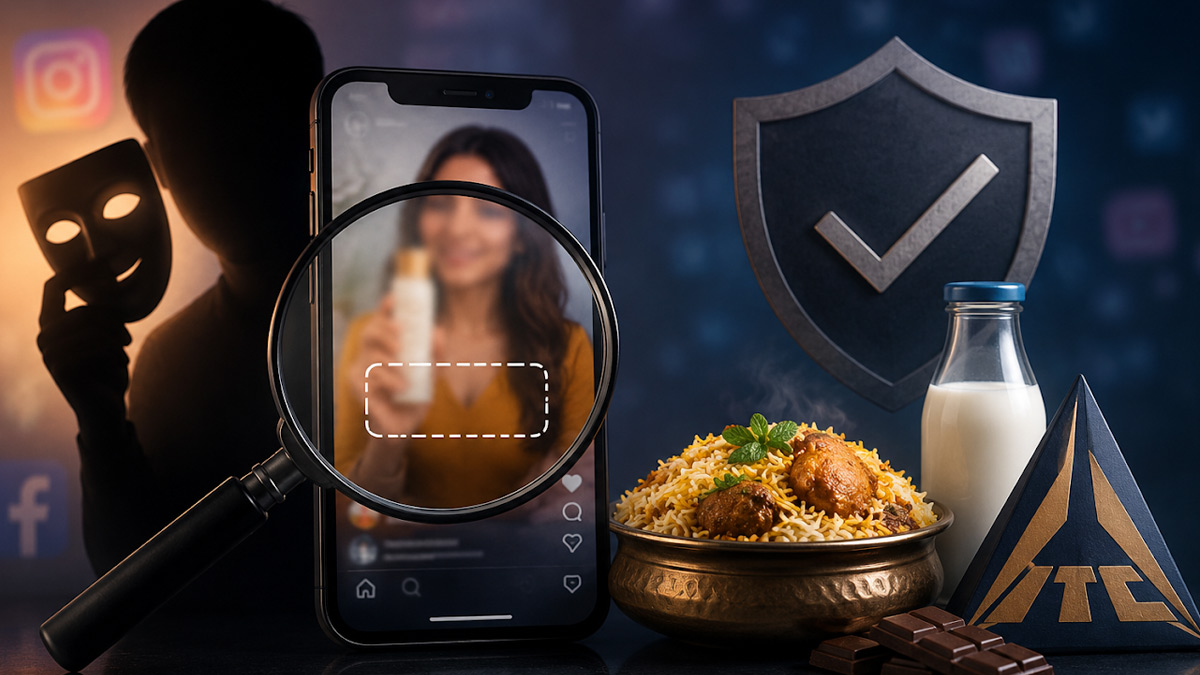
MUMBAI: The sponsored post may vanish, but the watchdog is watching.
India’s advertising regulator has raised fresh concerns over influencers and brands allegedly gaming disclosure rules, posting paid promotions without the mandatory #ad tags during peak engagement windows, only to quietly add or remove them later.
At the centre of the latest compliance crackdown is Rebel Foods-owned Behrouz Biryani, which emerged as one of the most flagged food brands for influencer disclosure breaches in FY26. According to the Advertising Standards Council of India’s annual complaints report 2025-26, the brand saw 12 influencer advertising cases requiring modification. Parag Milk Products recorded five such cases, while ITC faced four.
The report underscores the growing unease around India’s fast-expanding creator economy, where branded content increasingly blends into entertainment feeds with little transparency for viewers.
ASCI ceo and secretary general, Manisha Kapoor, said disclosure violations among large brands and top influencers can no longer be dismissed as simple oversight.
“These guidelines have existed long enough for established influencers and brands to know exactly what is required,” Kapoor said.
ASCI reviewed influencer advertisements across sectors during FY26 and found that 97.3 per cent violated advertising guidelines and needed modification — a figure that points to widespread non-compliance across the ecosystem.
Kapoor said ASCI has noticed increasingly calculated behaviour aimed at boosting visibility while sidestepping disclosure rules.
In several instances, influencers allegedly delay adding disclosure labels during the crucial first few hours of posting, when audience engagement and algorithmic reach are at their highest. Others reportedly remove disclosure tags after campaigns gain traction.
“There seems to be an unspoken understanding sometimes between brands and influencers to avoid disclosure and see if they can get away with it,” Kapoor said.
ASCI has also heard claims that certain advertisers may be willing to pay creators more if disclosure hashtags are left out entirely.
According to Kapoor, some influencers believe visible ad disclosures reduce platform reach, creating a strong incentive to conceal paid partnerships.
While betting-related promotions remained the largest contributor to influencer violations overall, ASCI said sectors such as food and personal care continue to record high levels of non-compliance because of their deep reliance on creator-led campaigns.
Kapoor stressed that responsibility rests with every stakeholder involved from advertisers and agencies to influencers themselves.
“The brand could have stopped it, the agency could have stopped it, the influencer could have stopped it,” she said. “When all three fail, the non-compliant ad reaches consumers.”
She was particularly critical of celebrity creators and large influencers who continue violating norms despite having professional management teams handling partnerships and contracts.
“These are major influencers with experienced teams around them,” Kapoor said. “To claim they don’t know the rules simply doesn’t hold up anymore.”
For brands aggressively chasing viral reach, ASCI’s message was blunt: the short-term engagement boost may eventually come at the cost of long-term credibility.
As scrutiny around influencer marketing intensifies, the missing hashtag may soon become more damaging than the campaign itself.






