MAM
India’s SF loss in ICC Cricket World Cup 2019 to impact brand visibility in the final

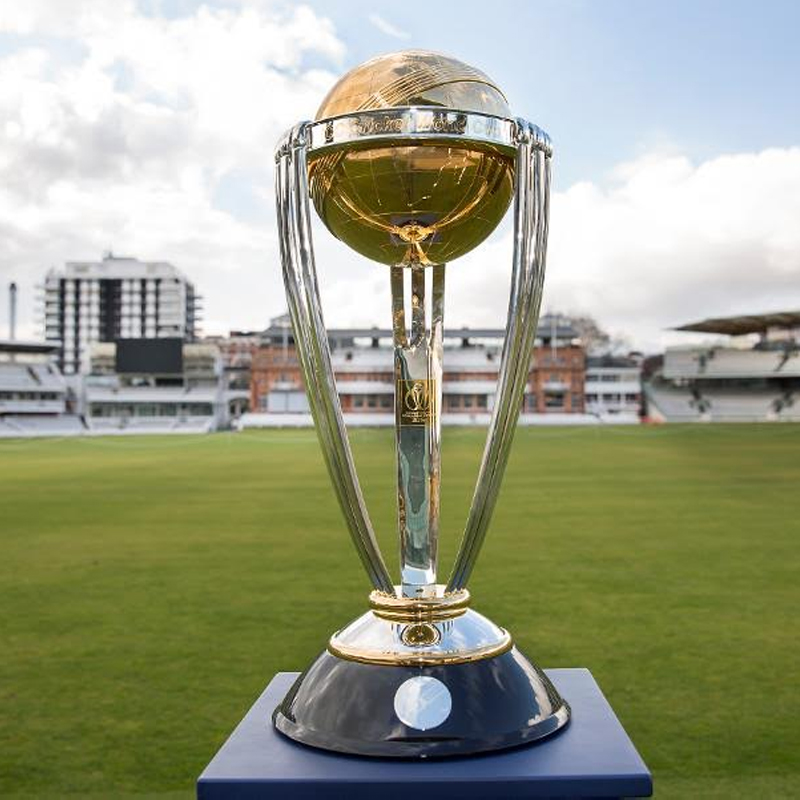
MUMBAI: The ICC Men's Cricket World Cup 2019 started off with a lot of hopes pinned on the Indian team to lift the trophy for the third time. Not just international fans but many international experts had the ‘men in blue’ as the likely winners. The tournament was, therefore, quite popular amongst the Indian brands who were advertising heavily during the matches. It was predicted that broadcaster Star India will manage to clock in revenues of around Rs 18,000 crore in the World Cup.
However, India’s loss in the semi-final stage has shattered these hopes and has left the advertisers and the broadcaster in a lurch. It is expected that Star will record a significantly lesser amount in ad revenues in the final stage than expected. However, the greater impact will be on the advertisers who had purchased the ad slots in advance at exorbitant rates of Rs 25 lakh.
Havas Media Group India managing director Mohit Joshi tells Indiantelevision.com that he doesn’t see much impact on the revenues of Star as most of the FCT had been sold already and those deals cannot be revoked. “Some very limited opportunistic FCT that could have been leveraged if India reached the final, might not happen now.”
But the visibility of the brands that had purchased these slots in advance, especially only for the finals and semi-finals will be impacted, he notes. “Everybody bought World Cup with this possibility (India reaching the finals) in mind. The brands have been visible across the tournament. However, if there are some brands who bought only SFs and Finals, their visibility will get impacted.”
Commwiser co-founder and CEO Aman Abbas is of the thought that the brands, which will be buying the remaining FCTs will have to keep in mind the limited audience the match will attract and therefore the reserve inventory which could have generated extra revenue is expected to find a few takers.
“The broadcasters had earned a lot from the advertising in the World Cup, particularly from matches played by team India. An unexpected exit of the Indian team from the tournament is very likely to affect the revenue earned from the advertising for Star Sports and Hotstar. The broadcasters might have sold some of the inventory of the finals beforehand while some of it would have been kept in the reserve, expecting India to reach the finals and generating some extra money from last-minute sales,” he says.
However, Samsika Marketing Consultants CMD Jagdeep Kapoor feels that the interest is very much alive in the finals given India’s obsession with the game of cricket.
He notes, “If people can watch the Wimbledon final, they would surely watch the sport they love, cricket. The momentum of the World Cup is intact. The advertisers will get their money’s worth. In fact, Indian fans will choose a team to cheer in the finals.”
India was stopped short of reaching the finals of the World Cup by New Zealand by 18 runs in an interesting match that spanned across two days because of interruption by rain. A number of advertisers like Kamla Pasand, Lloyd, Pepsi, Dairy Milk, MRF Tyres, BYJU’s were some of the top advertisers during the tournament whose final is scheduled on 14 July 2019 between England and New Zealand.