MAM
India’s influencer marketing industry to touch Rs 2,200 crore by 2025


Mumbai: Social Beat’s influencer marketing platform, influencer.in, has released the Influencer Marketing Report 2022 to provide insights on how influencer marketing has become one of the most important channels that big brands are leveraging as part of their digital marketing.
The report is based on over 500+ survey responses by Indian content creators and over 60 marketers in Q1’ 22.
The survey finds that Snapchat and Moj are becoming popular with content creators, with 17.79 per cent of creators on Snapchat and 8.53 per cent on Moj. Brands leveraging their product or service through influencers on these platforms can help them create brand awareness and engagement, educate users about their product or service, drive incremental revenue via conversions, or target a niche audience.

According to the report, the influencer marketing industry’s value is estimated to grow at a compound annual growth rate (CAGR) of 25 per cent over the next 5 years to reach Rs 2,200 crore by 2025, up from Rs 900 crore in 2021. The projected meteoric rise of the industry can be attributed to the steep growth in the number of creators and the increasing partnerships between brands and creators to deliver compelling, relatable story-telling content to the target audience.
It finds out that 61.2 per cent of all brands recognise the power of influencer marketing to tap into a newer audience pool to boost brand awareness. While smaller businesses understand the value of influencer marketing but have not yet committed significant resources to it, larger businesses have acknowledged it as an essential component of their digital marketing plans.
50 per cent of marketers said they spend up to 10 per cent of their digital marketing budget on influencers each year. While 10 per cent of the respondents dedicate over 40 per cent of their annual digital marketing budget to influencer marketing.
Another interesting insight is how brands and creators are looking at collaborations. While 58 per cent of brands prefer to work with an influencer for an average duration of one month doing short-term promotions, 91 per cent of influencers are looking for a long-term relationship. Some brands, such as SnapDeal, TataCliq, BharatMatrimony, Jupiter, Dhani, and Gamezy, have understood the value of long-term collaborations and entered into long-term contracts with influencers.
Speaking about the launch of this report, Social Beat co-founder Suneil Chawla said, “We were ahead of the curve in launching influencer.in and these trends confirm our belief that this industry is integral to digital marketing. We predicted that as devices and Internet access increased, content across multiple platforms, video content, and storytelling in regional languages would gain traction.We were confident that influencers across the spectrum, irrespective of their size, would be in demand from brands based on their style, specialty, and content. While video content is the preferred form of content due to its story-telling potential, the emergence of new social media tools is something to watch out for.”
Adding to that, influencer.in head Arushi Gupta said, “Instagram, YouTube, and Facebook continue to be the preferred platforms for most creators. Short-form videos account for the largest pie of content at 33.8 per cent; carousel posts/videos account for 25.8 per cent of content; statics account for 24 per cent; and long-form videos account for only 15.7 per cent of content. It will be interesting to see how influencers adapt their content to the emerging short video platforms. As the market evolves, we will continue to make influencer.in the most technologically advanced platform for ease of use, verified creator profiles, analytics, and reporting for both brands and creators.”






Brands
Adobe CEO Shantanu Narayen to step down after 18 years in role
Board begins CEO search as Narayen prepares to move to chair role
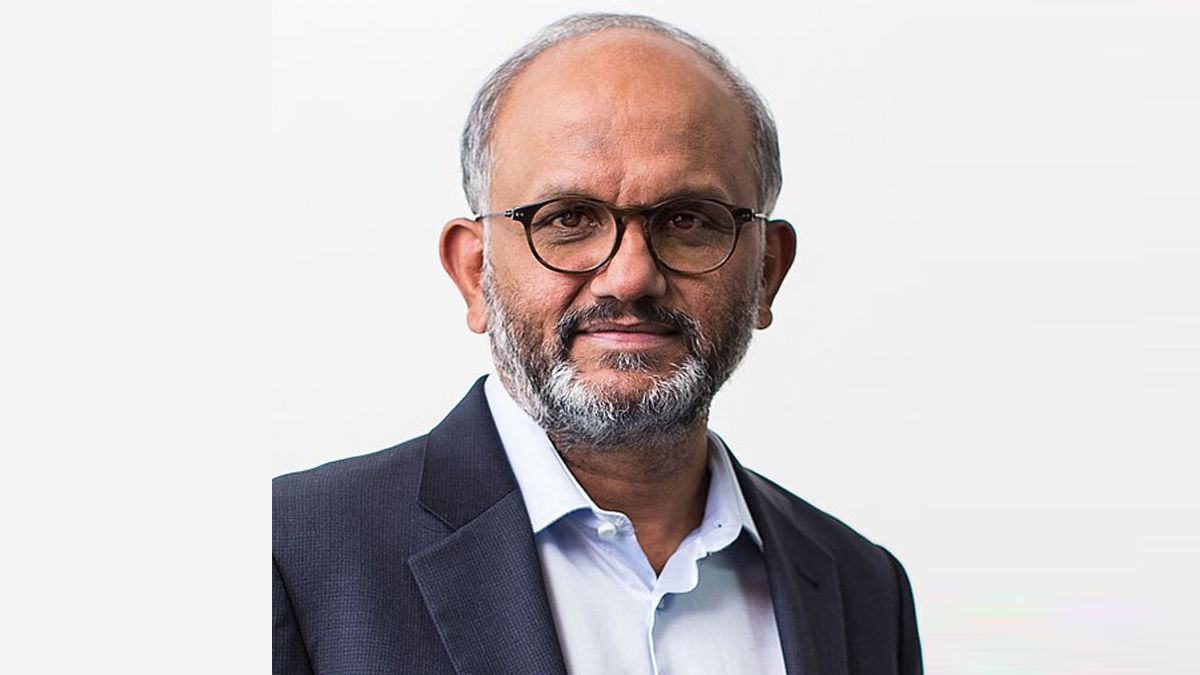
SAN JOSE: After nearly two decades at the helm, Adobe’s long-serving chief executive Shantanu Narayen is preparing to pass the baton.
The company announced that Narayen will transition from his role as chief executive officer once a successor is appointed, ending an 18-year run that reshaped Adobe from a boxed software seller into a global cloud and AI powerhouse. He will remain chair of the board following the leadership transition.
Adobe’s board has formed a special committee to oversee the succession process, led by lead independent director Frank Calderoni. The committee will evaluate both internal and external candidates.
“Shantanu’s leadership has been instrumental in Adobe’s transformation and in positioning the company for the AI-driven era,” Calderoni said in a statement. “As we begin the next phase of succession planning, our focus is on identifying the right leader for the company’s next chapter while ensuring a smooth transition.”
In a note to employees, Narayen described the moment not as a farewell but as a pause for reflection after a long journey with the company.
“I love Adobe and the privilege of leading it has been the greatest honour of my career,” he wrote, adding that he will continue to work closely with the board over the coming months to ensure a seamless leadership change.
Tributes from the technology industry quickly followed the announcement. Microsoft chairman and chief executive officer Satya Nadella congratulated Narayen on what he described as a “legendary run” at Adobe.
“Congrats Shantanu, on a legendary run at Adobe! You’ve built one of the most important software companies in the world, and expanded what’s possible for creators, entrepreneurs, and brands everywhere,” Nadella wrote on LinkedIn.
“What has always stood out to me is the empathy you’ve brought to the creative process and the example you’ve set as a leader. Grateful for your friendship, mentorship, and for all you’ve done for Adobe and for our industry.”
Narayen’s career at Adobe spans nearly three decades. He joined the company in 1998 as vice president and rose steadily through the ranks before becoming chief executive officer in December 2007.
During that time, he orchestrated one of the most significant reinventions in the software industry. In 2013, Adobe made the bold decision to abandon traditional boxed software sales and move its flagship creative tools such as Photoshop to a subscription-based Creative Cloud model. The shift initially rattled investors but ultimately transformed Adobe into a predictable recurring revenue business and a case study in digital reinvention.
Narayen also pushed Adobe beyond creative tools into the world of marketing technology and data-driven customer experience, spearheading acquisitions such as Omniture and Marketo. Those moves helped build Adobe’s digital experience division and broaden its reach far beyond designers and photographers.
The numbers tell the story of that transformation. When Narayen took over in 2007, Adobe generated roughly $3 billion in annual revenue. Today the company reports more than $25 billion. Over the same period, its workforce expanded from around 3,000 employees to more than 30,000.
In recent years, Narayen has steered Adobe into the generative AI era with the launch of Adobe Firefly, aiming to keep the company ahead in a rapidly evolving creative technology landscape.
Born in Hyderabad in 1963, Narayen studied electronics and communication engineering at Osmania University before moving to the United States for a master’s degree in computer science from Bowling Green State University. He later earned an MBA from the Haas School of Business at the University of California, Berkeley.
Widely regarded as one of Silicon Valley’s most steady and effective leaders, Narayen has earned multiple honours during his career, including India’s Padma Shri in 2019.
For Adobe, the upcoming leadership change marks the end of a defining chapter. For Narayen, however, the story is far from finished. As he told employees, the company’s next era of creativity, powered by AI and new digital workflows, is only just beginning.