MAM
India’s influencer marketing industry estimated to reach Rs 3,375 crore by 2026: EY – Collective Artists Networks Big Bang Social report


Mumbai: Highlighting the influencer marketing trends in India, the latest report by EY and Collective Artists Network’s Big Bang Social indicates that the industry is poised for significant growth. The report titled ‘The State Of Influencer Marketing in India’, states that influencer marketing in India is expected to surge by 25 per cent in 2024, reaching Rs 2,344 crore, and further expand to Rs 3,375 crore by 2026. These projections underscore the continued growth and immense potential of the influencer marketing industry, presenting ample opportunities for brands, marketers, and influencers alike.
The report highlights a crucial insight: with 50 per cent of mobile usage dedicated to social media platforms, integrating influencer marketing into communication strategies is essential for marketers. In addition, it is expected that there will be 740 million active smartphones in India by 2030. Consequently, three out of four brand strategies are expected to include influencer marketing. Brands prioritize engagement rate and the quality of the target audience when selecting influencers, recognizing the importance of authentic connections in reaching their desired audience.
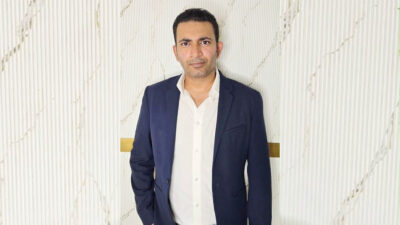
Reflecting on the key findings of the report, EY India partner, marketing advisory Amiya Swarup said, “In today’s rapidly changing Indian society, citizens face transformations in various aspects – be it societal norms, career paths, financial strategies, or cultural shifts. Influencers are stepping in to provide guidance, reassurance, and advice, effectively assuming the role of contemporary heroes. Coupled with the projected growth in influencer marketing, it’s clear that influencers now define an unprecedented era of knowledge and impact, while also unlocking vast opportunities for brands and marketers.”
The report further reveals that the growth of influencer marketing is anticipated to be driven by lifestyle, fashion, and beauty categories. Further insights from the survey indicate that sectors such as automobiles, e-commerce and FMCG are expected to increase spending on influencer marketing the most.
Collective Artists Network group CEO and founder Vijay Subramaniam shared, “It is heartening to see that brands are recognizing the potential of the creator economy and are increasingly investing in influencer marketing, with sectors like FMCG, automobiles and consumer durables leading the way. This report should serve as an invaluable resource for brands seeking to harness the power of influencer marketing to connect with their audience, drive engagement, and achieve sustainable growth in the dynamic and competitive landscape of the Indian market.”
It was found that marketers must strike a strategic balance between mega/ macro influencers to drive awareness and brand loyalty, while also tapping into the power of micro/ nano influencers to drive engagement. Interestingly, nano influencers had the highest engagement rate compared to other influencer categories. It is important to note that 47 per cent of brands preferred driving influencer campaigns with micro and nano influencers due to the lower cost per reach.
Challenges were reported from both the brand side and influencer side. The biggest challenge for marketers was determining the ROI of their influencer marketing campaigns, while building a loyal audience and maintaining credibility were the top two challenges for influencers.
Key insights:
- 75 per cent brands are expected to consider influencer marketing as part of their marketing strategy.
- 56 per cent of the brands invested more than 2 per cent on influencer marketing.
- 70 per cent of brands plan to keep their influencer marketing budget the same or increase it in 2024, with half planning to increase it by up to 10 per cent
- 77 per cent brands believe that their agencies are fairly equipped to drive influencer marketing campaigns.
- 71 per cent of brands engage with influencers on a fixed fee model and 29 per cent are exploring performance linked models to drive influencer accountability.
- 77 per cent of influencers reported income growth in the past two years and 86 per cent of influencers expected over 10 per cent increase in their income over the next two years.
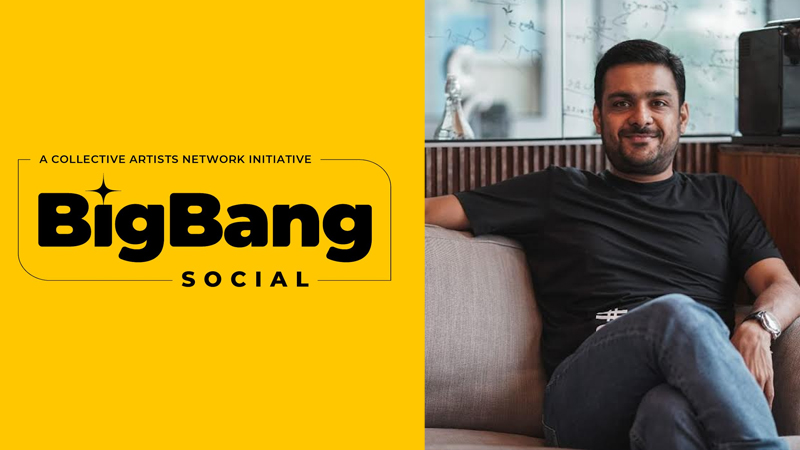
Big Bang Social CEO Anurag Iyer commented, “India is often described as a young and aspirational country, and as one of the fastest-growing major economies in the world, it is a complex time to be an Indian. In the world of digital marketing, where getting 2-3 mins of attention from a consumer is a massive challenge, creators are able to capture undivided attention with their creativity. May this report serve as an invaluable resource for brands seeking to harness the power of influencer marketing to connect with their audience, drive engagement, and achieve sustainable growth in the dynamic and competitive landscape of the Indian market.”
This report reflects the findings from the survey of CMOs, creators, agencies, and individuals.