MAM
Indian customers spent 11 per cent more during Rakhi festival in 2023

Mumbai: The amount of money Indian customers spent during the Rakhi festival week this year increased by 11 per cent compared to the festival in 2022. The average order value was Rs 2,055. Admitad’s affiliate network analysed over 400k orders across more than 350 brands to understand how customers behaved during the Rakhi holidays last year, and how they changed their preferences this year.
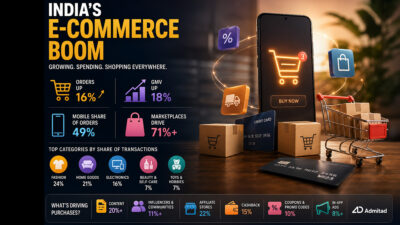
It can be seen that during the holiday week, many more people in the country chose to stay at home and shop using their computers – the percentage of mobile orders was only 45 per cent. In comparison, during the recent Independence Day, it reached 69 per cent, and on average during the “quiet period” – 48 per cent.
What was purchased during the festival?
Up to 40 per cent of orders this year were made on marketplaces – their influence has increased significantly since last year. The number of orders from major marketplaces during the festival jumped by more than 50 per cent. This could be expected, because many leading marketplaces prepare special sales, promotions and coupons for each holiday, and thus can maximize conversion among their customers.
25 per cent of all orders during the festival were for clothes, shoes and accessories – the number of purchases in this category increased by 16 per cent compared to last year. Next came beauty products with 8.5 per cent of purchases. Six per cent of orders went to the category of home goods and four per cent to food delivery. Interestingly, the number of food and grocery orders at Rakhi Festival more than doubled compared to last year and this category was one of the leaders in terms of purchase growth.
What attracted the shoppers?
Speaking on the report, Mitgo managing director, APAC and India Neha Kulwal said, “According to Admitad’s calculations, this year’s leaders in attracting orders during the festival were cashback services – they accounted for up to 26.6 per cent of all orders. Interestingly, their popularity has almost doubled compared to the Rakhi Festival last year. Apparently, the major players in this market have put a lot of effort in preparing promotional campaigns this time.”
17 per cent of the orders were brought to brands by content platforms and online media, which traditionally prepare reviews of the best gifts, dishes and ways to spend the festival. Indian shoppers do indeed pay attention to such articles, click on the links in them and buy the recommended products.
Another 10.5 per cent of orders came from coupon services, 10.3 per cent from contextual advertising, 7.5 per cent from affiliate stores, 6.7 per cent from mobile applications, and 6.5 per cent from loyalty programs.
The latter, by the way, were much more influential during the festival period than last year. Purchases based on recommendations of loyalty programs this year during the festival increased many times over. This trend, coupled with a significant increase in sales on marketplaces and through cashback services, makes one think that earlier big companies did not pay enough attention to the Rakhi holiday, but in 2023 they have fully included it in their agenda and made thorough preparations to spur user activity.