MAM
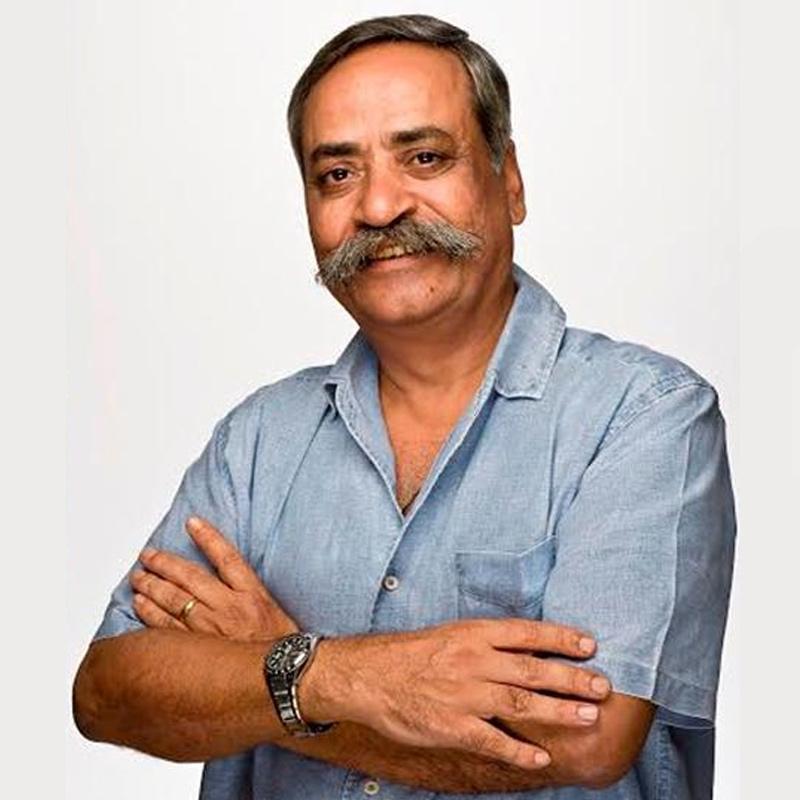
India loves advertising more than any other country: Piyush Pandey

NEW DELHI: The past few years have generated a heated discussion on the role of creativity v/s the role of technology in advertising and marketing. With machines dominating almost every aspect of the functioning of an agency, there have been debates on understanding the role of human touch and sensibility in the future of communications and how technology can or cannot be a substitute for human emotions.
Addressing the same in a free-wheeling fireside chat with Indiantelevision.com founder, CEO and editor in chief Anil Wanvari, Ogilvy chief creative officer worldwide and executive chairman India, Piyush Pandey said that technology is there to help the advertisers in creating different creative stories. “Technology is not the story,” he quipped. He elaborated the role of human emotions and sensibilities will never go out of advertising and the agencies will have to learn how to strike a fine balance between the two.
Speaking about India’s stand when it comes to creative trends in advertising, he said, “‘Trends' is a strange word. I will never compare Indian advertising with any other country. More people in India love advertising than any other country in the world. The cynicism is not there. We might not win Oscars but people appreciate our good movies.”
However, Pandey also noted that communication, as we know today, has to change for the better. “It has to be more sensitive as communication is not only about transactions, it is also about relationship building. It is not the time to sell, it is the time to build relationships.”
He added, “I feel today, a fruit vendor has more sense of communication and tone than most people in the advertising industry.”
Does it mean that advertising shouldn’t be focussing on delivering ROIs?
Pandey disagreed. “ Which client ever, and sensibly so, would not want sales? You can do a bad piece and run it 50 times a day and you can do something impactful and run it 10 times a day only, to deliver similar sales. That’s what the differentiator is.”
He continued, “You have to know the consumer to understand what is the aspect of your brand that the consumer will appreciate. If we can engage a consumer and touch hearts, that always works well (for a brand).”
The thespian also lauded the good world that many agencies have done during the Covid2019 lockdown with limited resources and lots of constraints. Be it the work for Asian Paints, which he wrote and did the voiceover for, or the work to promote the Aarogya Setu app, Pandey thinks there was a lot of creativity that was unleashed during the lockdown across agencies.
“I think agencies everywhere have done a good job during the pandemic, given the constraints. It is a testing time for everybody; much more testing time for communicators than anybody else. Yes, our feet are tied but not our hands, not our pens or computers. My personal favourite piece of work is “Family”, which my brother (Prasoon Pandey) created with Bollywood celebrities like Amitabh Bachchan and Rajnikanth.”
The one ad that did not make the cut for him was Memec Ogilvy’s #StayHome for Honda. “You will have to see what the ad was for instead of what the ad was. Instead of showing something remarkable, like shooting with a mini car, and making people wonder how they did it, they just put it out there in the video. When you show how fantastic a director you are, what a fantastic editor you are, then I am looking at you and not the car,” he explained.
Pandey, who is not just a globally-celebrated advertising industry champion, but also a cricketer (has played CK Naidu Cup and Ranji in his younger days,) a lyricist (he has contributed to the iconic Mile Sur Mera Tumhara), a scriptwriter (Bhopal Express), a voiceover artist (a number of ads including the latest Asian Paints’ Har Ghar Kuch Kehta Hai), and an actor (Madras Cafe and a few ads), also touched upon his life and experiences during the chat.
Chuckling about the mention of his work outside his home industry, Pandey said, “I am a hardcore advertiser. I am not a voiceover artist not an actor. In fact, I am a terrible actor. I did Madras Cafe for my friend Shoojit Sircar. R Balki also tried a few times to get me into movies, but after testing me for several times, he understood that I can’t do it.”
On being asked about his retirement plans, Pandey mentioned that he has never seriously thought about it as he is loving what he is doing currently. He did mention that he will continue writing.